Aviation Industry Faces Financial Turbulence as Jet Fuel Costs Surge
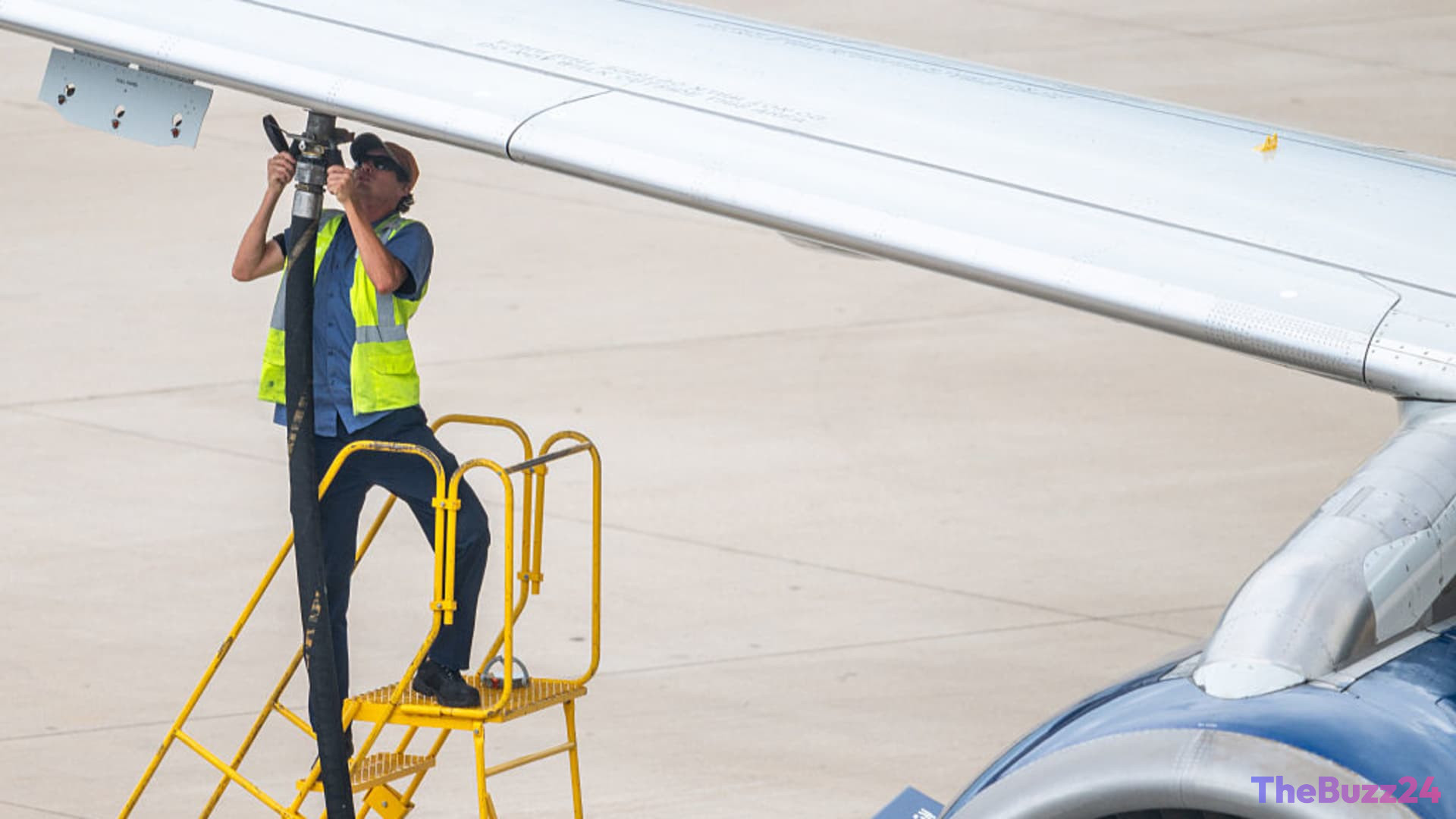
The U.S. aviation sector is grappling with a severe financial crisis following a dramatic spike in jet fuel expenditures. In March alone, airlines collectively spent more than $5 billion on fuel, marking a 56.4% increase over the previous month. This sharp rise is largely attributed to heightened geopolitical instability in the Middle East, which has disrupted global energy markets and created significant volatility in fuel pricing.
By April, the situation had deteriorated further, with fuel costs exceeding $4 per gallon in various key markets. The sustained pressure has forced major carriers to overhaul their long-term financial planning, with many companies abandoning 2026 growth targets to mitigate the risks associated with high operating costs. The impact of this economic strain was most visible in the collapse of Spirit Airlines, which ceased operations after the fuel price surge rendered its bankruptcy recovery plan unviable.
Despite the operational challenges, consumer appetite for air travel remains resilient. Ticket sales saw a 12% year-over-year increase in March, totaling $10.4 billion, as both domestic and international travel demand continues to climb. However, industry analysts warn that the current cost structure is unsustainable, and passengers should expect to see these increased fuel expenses reflected in higher ticket prices by late 2026 or early 2027.
Key Takeaways
- U.S. airlines experienced a 56.4% month-over-month increase in fuel costs in March, totaling over $5 billion.
- Spirit Airlines collapsed as a direct result of the fuel price surge, which derailed its bankruptcy exit strategy.
- Despite rising operational costs, passenger demand remains strong, with ticket sales growing 12% year-over-year.
Editor’s Analysis & Impact
The current volatility in jet fuel prices highlights the extreme vulnerability of the aviation industry to geopolitical shocks. When fuel costs represent such a massive portion of operating expenses, even minor supply chain disruptions can lead to systemic failures, as evidenced by the collapse of Spirit Airlines. The industry is now at a critical juncture where it must balance the need for profitability against the risk of pricing out the average consumer. While demand remains robust for now, the inevitable pass-through of these costs to travelers will likely test the limits of consumer price elasticity. Moving forward, airlines will likely prioritize leaner operations and more aggressive fuel hedging strategies to insulate themselves from future energy market shocks, potentially slowing the pace of industry expansion for the next several years.
Frequently Asked Questions
Q: Why did jet fuel prices increase so sharply in March?
A: The price surge was primarily driven by geopolitical instability in the Middle East, which impacted global oil markets and supply chains.
Q: Will passengers see higher ticket prices due to these fuel costs?
A: Yes, major carriers have indicated that they will likely pass these increased operational costs on to consumers through higher ticket prices by late 2026 or early 2027.
AI Disclosure: This article is based on verified data and official reports. Our Team and AI have cross-referenced every financial detail with primary sources to ensure total accuracy.
More from this Category