Survival Against the Odds: Hiker Impaled by Trekking Pole Completes 10-Mile Descent
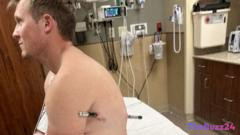
A routine hiking excursion in Montana’s Granite Peak turned into a harrowing fight for survival when David Cifaldi was impaled by a trekking pole. During a slip on the rugged terrain, the pole pierced his body, creating a life-threatening situation that could have easily resulted in a fatality.
In a remarkable stroke of luck, the trekking pole’s path missed all of Cifaldi’s major organs. Rather than opting for an emergency helicopter extraction, Cifaldi made the grueling decision to navigate the mountain on foot. He faced a daunting 10-mile trek through difficult terrain while dealing with a severe penetrating wound.
Cifaldi’s survival was aided significantly by his professional background. As a trained wound care nurse, he was able to transition into a medical mindset, applying his expertise to assess and manage the injury in real-time. This clinical approach allowed him to stabilize himself sufficiently to complete the descent.
His journey from the peak to safety serves as a profound example of human resilience and the critical importance of specialized medical knowledge in extreme environments. The incident highlights both the inherent dangers of high-altitude hiking and the extraordinary circumstances that can lead to survival in the face of trauma.
Key Takeaways
- David Cifaldi survived a traumatic impalement injury while hiking Montana's Granite Peak.
- His professional training as a wound care nurse allowed him to manage the injury during a 10-mile descent.
- The trekking pole narrowly missed all major vital organs, enabling his survival.
Editor’s Analysis & Impact
This incident highlights the unpredictable nature of high-altitude hiking and the critical role that specialized knowledge can play in survival situations. While the outcome was remarkably positive, it underscores the extreme risks associated with mountain trekking. From a medical perspective, the survival of such an impalement is a statistical anomaly, emphasizing the importance of luck in trauma cases. For the outdoor industry, this story may prompt discussions regarding emergency preparedness and the psychological readiness required for mountain excursions. It also serves as a powerful example of how professional skills can be applied in non-clinical settings to mitigate life-threatening emergencies. The incident reinforces the need for hikers to carry appropriate first-aid knowledge and equipment, even when relying on rescue services.
Frequently Asked Questions
Q: How did David Cifaldi manage to walk 10 miles after being impaled?
A: He utilized his professional training as a wound care nurse to assess and stabilize his injury while descending the mountain.
Q: Did the trekking pole cause damage to his vital organs?
A: Remarkably, the pole missed all major organs, which was a critical factor in his ability to survive and walk.
AI Disclosure: This article is based on verified data and official reports. Our Team and AI have cross-referenced every financial detail with primary sources to ensure total accuracy.
More from this Category