Security Protocols Under Scrutiny After Fatal White House Perimeter Shooting
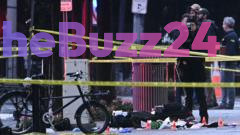
A violent confrontation occurred this past Saturday at a Secret Service checkpoint near the intersection of 17th Street and Pennsylvania Avenue NW, resulting in the death of a gunman and injuries to a bystander. The suspect, identified as Nasire Best, initiated the exchange by opening fire on security personnel. Secret Service agents immediately returned fire, successfully neutralizing the threat. Officials confirmed that President Donald Trump remained secure throughout the duration of the incident, and no law enforcement officers sustained injuries.
Investigations into the suspect’s history have revealed a concerning pattern of behavior that escalated over several months. Federal authorities had been monitoring Best since June 2025, when he first obstructed a secure entry lane while behaving erratically. Despite being referred for mental health evaluations and subsequently arrested for unlawful entry in July, the suspect continued to target the perimeter. His legal situation deteriorated further in August 2025 when he failed to appear for a mandatory court hearing, leading to the issuance of an outstanding bench warrant.
This latest breach represents a significant challenge for the Secret Service, particularly as it follows a string of security-related incidents, including a recent shooting that disrupted the White House Correspondents’ Dinner. Authorities are currently conducting a comprehensive review of the event to determine how the suspect was able to approach the checkpoint despite his known history. While officials have praised the rapid response of the agents on duty for preventing further casualties, the incident has reignited a national conversation regarding the adequacy of current protective measures at the executive residence.
Key Takeaways
- Nasire Best, the suspect in the White House shooting, had a documented history of security breaches and mental health interventions throughout 2025.
- The suspect was killed by Secret Service agents after opening fire at a perimeter checkpoint; a bystander was injured, but the President remained safe.
- The incident follows a series of security concerns at the White House, including a recent shooting at the White House Correspondents' Dinner.
Editor’s Analysis & Impact
The recurring nature of security breaches at the White House highlights a critical vulnerability in protecting high-profile government sites against individuals with documented histories of erratic behavior. This incident underscores the immense pressure on the Secret Service to balance public accessibility with the absolute necessity of presidential protection. The fact that the suspect was a known entity with an outstanding warrant suggests potential gaps in inter-agency communication or the monitoring of individuals who have previously attempted to compromise federal security. Moving forward, we can expect a tightening of perimeter protocols and a likely increase in funding or legislative focus on threat assessment and mental health intervention for individuals targeting government facilities. The broader implication is a shift toward more aggressive, proactive security measures that may further limit public access to areas surrounding the executive mansion.
Frequently Asked Questions
Q: Was President Donald Trump in danger during the shooting?
A: No, the President was inside the White House at the time of the incident and remained safe throughout the event.
Q: What was the suspect's history with the Secret Service?
A: The suspect, Nasire Best, had been involved in multiple security incidents throughout 2025, including obstructing entry lanes and an arrest for unlawful entry, and had an outstanding bench warrant for failing to appear in court.
AI Disclosure: This article is based on verified data and official reports. Our Team and AI have cross-referenced every financial detail with primary sources to ensure total accuracy.
More from this Category