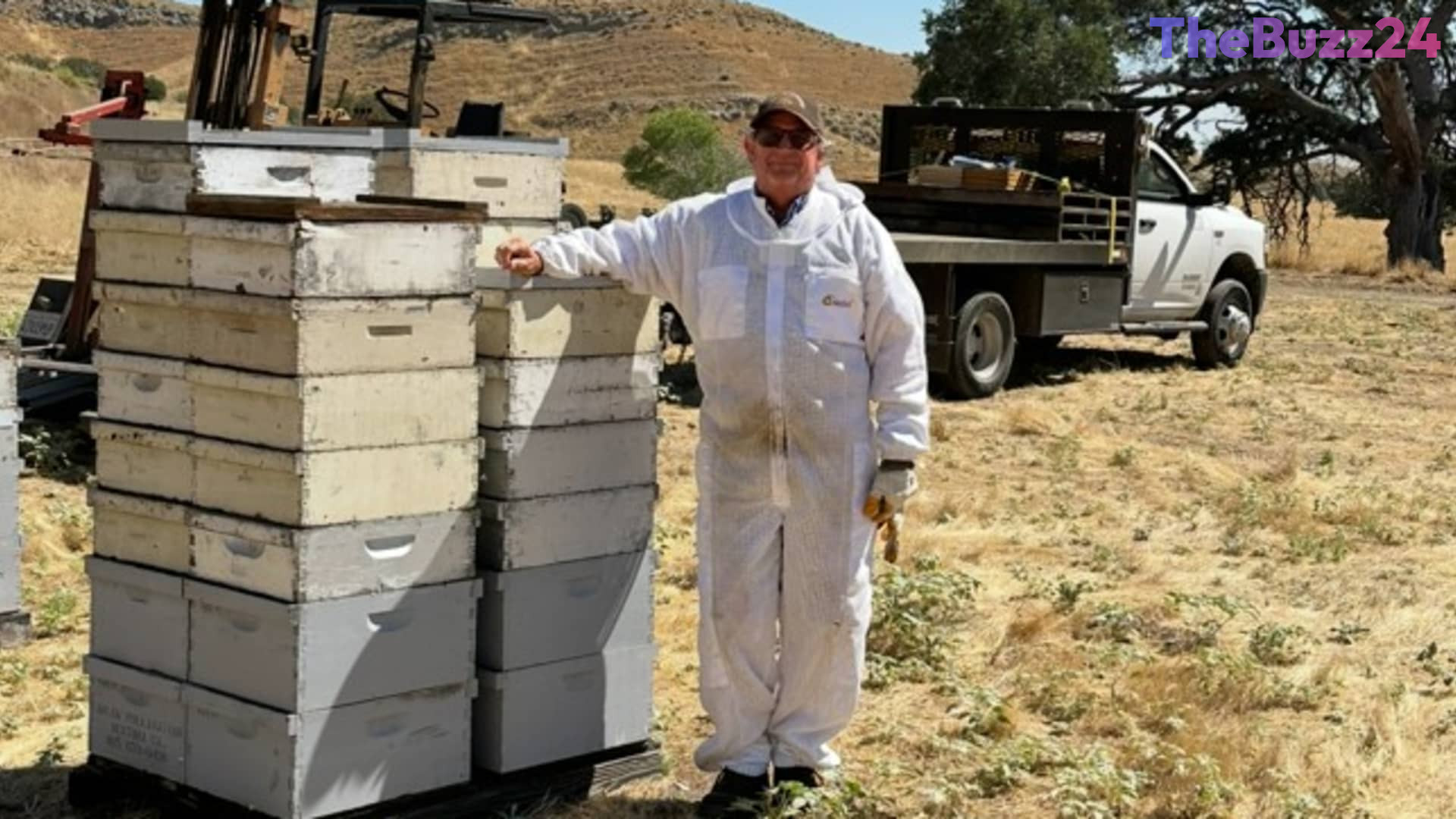
Sustaining a Legacy: Inside a Second-Generation Beekeeper’s Fight to Keep His Family Honey Farm Alive
In the heart of California’s San Joaquin Valley, 70-year-old David Bradshaw continues a decades-long family tradition as the owner of Bradshaw Honey Farms. Founded in 1958 by his father, Howard Bradshaw, in their family backyard, the enterprise has evolved into a vital regional operation managing thousands of bee colonies. Today, Bradshaw works alongside his daughter and son to maintain the grueling seasonal routine of moving hives across agricultural fields—ranging from almond orchards in late winter to citrus groves and Sierra mountain meadows—to provide crucial crop pollination and yield natural honey.
Despite generating approximately $1.8 million in gross revenue last year, the farm faces intense economic strain. Pollination service fees now represent the business’s primary source of revenue, as domestic honey sales have slumped due to a flood of inexpensive foreign imports. Simultaneously, operational expenses have soared. Escalating fuel prices, higher labor costs, and international tariffs on essential supplies like glass packaging have erased profit margins, forcing Bradshaw to rely on personal savings to keep the farm operating.
Biological and environmental threats present an even greater danger to the farm’s survival. Parasitic mites and the lethal viruses they spread have devastated commercial hives nationwide. In recent seasons, Bradshaw lost roughly 60 percent of his bee colonies to mite-transmitted disease, reflecting a widespread crisis where more than six out of ten commercial hives perished across the country. Unfavorable weather patterns further restrict natural foraging, requiring expensive artificial feeding regimens to maintain colony health.
As economic pressures force many independent beekeepers to sell to larger corporate entities, Bradshaw remains determined to safeguard his family’s heritage. To support the farm, the operation has diversified by offering honey extraction services for local producers and selling specialized beekeeping supplies online. For Bradshaw, keeping the farm afloat goes far beyond commercial interest—it is a personal duty to sustain an essential agricultural service and protect his father’s enduring legacy.
Key Takeaways
- Bradshaw Honey Farms relies primarily on renting colonies for crop pollination rather than honey sales to sustain its operations.
- Rising operational costs, fuel price hikes, tariffs on key materials, and cheap honey imports led to net financial losses despite $1.8 million in gross revenue.
- Parasitic mite infestations and viral diseases caused the farm to lose 60% of its bee population, echoing nationwide colony mortality rates.
Editor’s Analysis & Impact
The financial and environmental struggles of Bradshaw Honey Farms illuminate a systemic crisis confronting the domestic commercial beekeeping sector. Honeybees are essential catalysts for American agriculture, supporting billions of dollars in fruit, nut, and crop yields through pollination services. However, independent operators are caught in a double bind: escalating operational costs and unfair competition from cheap imported honey on one side, and severe biological hazards such as Varroa mites and climate instability on the other. As profit margins evaporate, small and family-owned apiaries face mounting pressure to consolidate or close entirely. Without targeted policy relief, supply chain support, and stronger trade protections for domestic honey, the loss of independent beekeepers could jeopardize national agricultural security and increase food production costs across the country.
Frequently Asked Questions
Q: What is the main source of income for commercial honey farms today?
A: Most commercial honey farms rely heavily on fees earned by renting out bee colonies to agricultural growers for crop pollination, rather than from selling honey itself.
Q: What are the primary factors causing honeybee colony losses?
A: Commercial bee populations suffer severe die-offs mainly caused by parasitic Varroa mites, viral infections, exposure to agricultural chemicals, unpredictable weather, and loss of natural foraging habitats.
Q: How are small beekeepers adapting to economic pressures?
A: Many independent operators are expanding revenue streams by providing honey extraction services to smaller producers, selling custom beekeeping gear online, and offering specialty bee feed supplements.
AI Disclosure: This article is based on verified data and official reports. Our Team and AI have cross-referenced every financial detail with primary sources to ensure total accuracy.
More from this Category