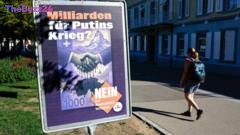
Swiss Voters Uphold Flexible Neutrality, Reject Stricter Interpretation
Swiss voters have decisively rejected a proposal that would have enforced a more rigid interpretation of the nation’s long-standing policy of diplomatic neutrality. Official results indicate that over 70% of the electorate voted against measures that would have restricted Switzerland’s ability to impose sanctions without United Nations approval and would have hindered closer ties with NATO.
The debate surrounding Switzerland’s neutrality has intensified following Russia’s full-scale invasion of Ukraine. The initiative, which sought to codify a stricter neutrality, received backing from the right-wing Swiss People’s Party (SVP) but faced opposition from the federal government and the majority of other major political parties. Observers suggest the vote reflects a public sentiment that while neutrality remains important, it should not preclude taking a stance against aggression.
Swiss officials have emphasized that the country’s neutrality has historically been applied with flexibility. While maintaining a ban on arms sales to countries in conflict, including Ukraine, the government has stated that neutrality does not equate to indifference. Switzerland has indicated a commitment to upholding international rules and will not ignore violations of these principles, particularly in light of the ongoing conflict in Ukraine.
Switzerland’s commitment to neutrality dates back to the Congress of Vienna in 1815, where it was granted “eternal neutrality.” This principle was further codified by the Hague Convention of 1907, which prohibits supplying weapons to belligerents. The country has a history of navigating complex geopolitical situations while maintaining its neutral status, though its past actions, such as banking looted gold during World War II and turning away Jewish refugees, have been subject to later apologies and re-evaluation.
Key Takeaways
- Swiss voters overwhelmingly rejected a stricter interpretation of the nation's neutrality, with over 70% voting against the proposal.
- The rejected measures would have limited Switzerland's ability to impose sanctions independently and restricted closer ties with NATO.
- The vote indicates a public preference for a flexible approach to neutrality, allowing for sanctions against Russia and a stance against violations of international law.
Editor’s Analysis & Impact
This referendum outcome signals a significant shift in how Switzerland perceives its role on the global stage, particularly in the context of heightened geopolitical tensions. By rejecting a rigid interpretation of neutrality, Swiss voters have empowered the government to act more assertively in international affairs, especially concerning sanctions and alignment with Western security frameworks like NATO. This move could lead to greater integration with European security policies and potentially impact Switzerland’s traditional role as a mediator. The decision reflects a pragmatic approach, prioritizing adherence to international law and democratic values over an absolute, isolationist interpretation of neutrality, which could have long-term implications for its foreign policy and economic relationships.
Frequently Asked Questions
Q: What was the main proposal rejected by Swiss voters?
A: Voters rejected a proposal that would have enforced a stricter, more rigid interpretation of Switzerland's neutrality, which would have prevented the country from imposing sanctions without UN approval and hindered closer ties with NATO.
Q: Why has Switzerland's neutrality been a topic of debate recently?
A: Russia's full-scale invasion of Ukraine has reopened the discussion around Switzerland's long-standing policy of non-alignment, prompting a re-evaluation of its traditional neutrality in the face of international conflict and aggression.
Q: Does this mean Switzerland will send weapons to Ukraine?
A: No, the Swiss Foreign Minister has stressed that while neutrality does not mean indifference, Switzerland will not lift its ban on selling arms to countries in conflict, including Ukraine.
AI Disclosure: This article is based on verified data and official reports. Our Team and AI have cross-referenced every financial detail with primary sources to ensure total accuracy.
More from this Category