Switzerland to Unseal Classified Intelligence Files on Nazi ‘Angel of Death’ Josef Mengele
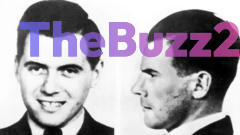
The Swiss Federal Intelligence Service has agreed to declassify secret archives concerning Josef Mengele, the infamous Nazi doctor known as the “Angel of Death.” Mengele, who conducted horrific medical experiments on prisoners at the Auschwitz concentration camp, managed to escape justice after World War II by fleeing to South America. The upcoming release of these documents is expected to shed light on his post-war movements and potential connections to Switzerland.
For decades, Swiss authorities kept these records strictly under wraps, pointing to national security interests and the privacy rights of Mengele’s living descendants. This prolonged secrecy sparked intense speculation among historians, who questioned whether the war criminal used Switzerland as a transit hub or a temporary safe haven. While records confirm Mengele visited the Swiss Alps in 1956, some researchers believe he may have entered the country again as late as 1961, despite being a wanted international fugitive.
The breakthrough to open these archives comes after a successful legal campaign led by historian Gérard Wettstein. Wettstein challenged the government’s initial timeline, which would have kept the files locked away until the year 2071. Although the intelligence agency has agreed to grant access, it has indicated that the release will be subject to specific conditions, leaving researchers cautious about whether the files will be fully transparent or heavily redacted.
Key Takeaways
- Swiss intelligence will declassify long-hidden documents regarding Auschwitz physician Josef Mengele.
- The decision follows a successful legal challenge by historian Gérard Wettstein against a secrecy order slated to last until 2071.
- The files could reveal whether Mengele used Switzerland as a sanctuary or transit route during his decades on the run.
Editor’s Analysis & Impact
The decision by Swiss authorities to open the Mengele archives marks a pivotal moment in the nation’s ongoing confrontation with its wartime past. Historically, Switzerland has faced intense scrutiny over its neutrality and its potential role as a haven for Nazi assets and fugitives. By capitulating to legal and academic pressure, the government is taking a step toward greater historical accountability. This move could set a precedent across Europe, encouraging other nations to open their own sensitive, decades-old intelligence archives. However, the caveat of “conditions and requirements” attached to the release suggests that the Swiss state may still seek to protect institutional reputations. The level of redaction in the final documents will ultimately determine whether this is a genuine step toward transparency or a calculated public relations move.
Frequently Asked Questions
Q: Why did Switzerland keep the Josef Mengele files classified for so long?
A: Swiss officials previously justified the secrecy by citing national security concerns and protecting the privacy of Mengele's surviving descendants.
Q: When were these files originally scheduled to be made public?
A: Under the original government timeline, the classified documents were scheduled to remain sealed until 2071.
Q: Will the public get to see the unredacted documents?
A: It is still uncertain. The Swiss Federal Intelligence Service has stated that access will be subject to specific conditions, raising concerns among historians about potential redactions.
AI Disclosure: This article is based on verified data and official reports. Our Team and AI have cross-referenced every financial detail with primary sources to ensure total accuracy.
More from this Category