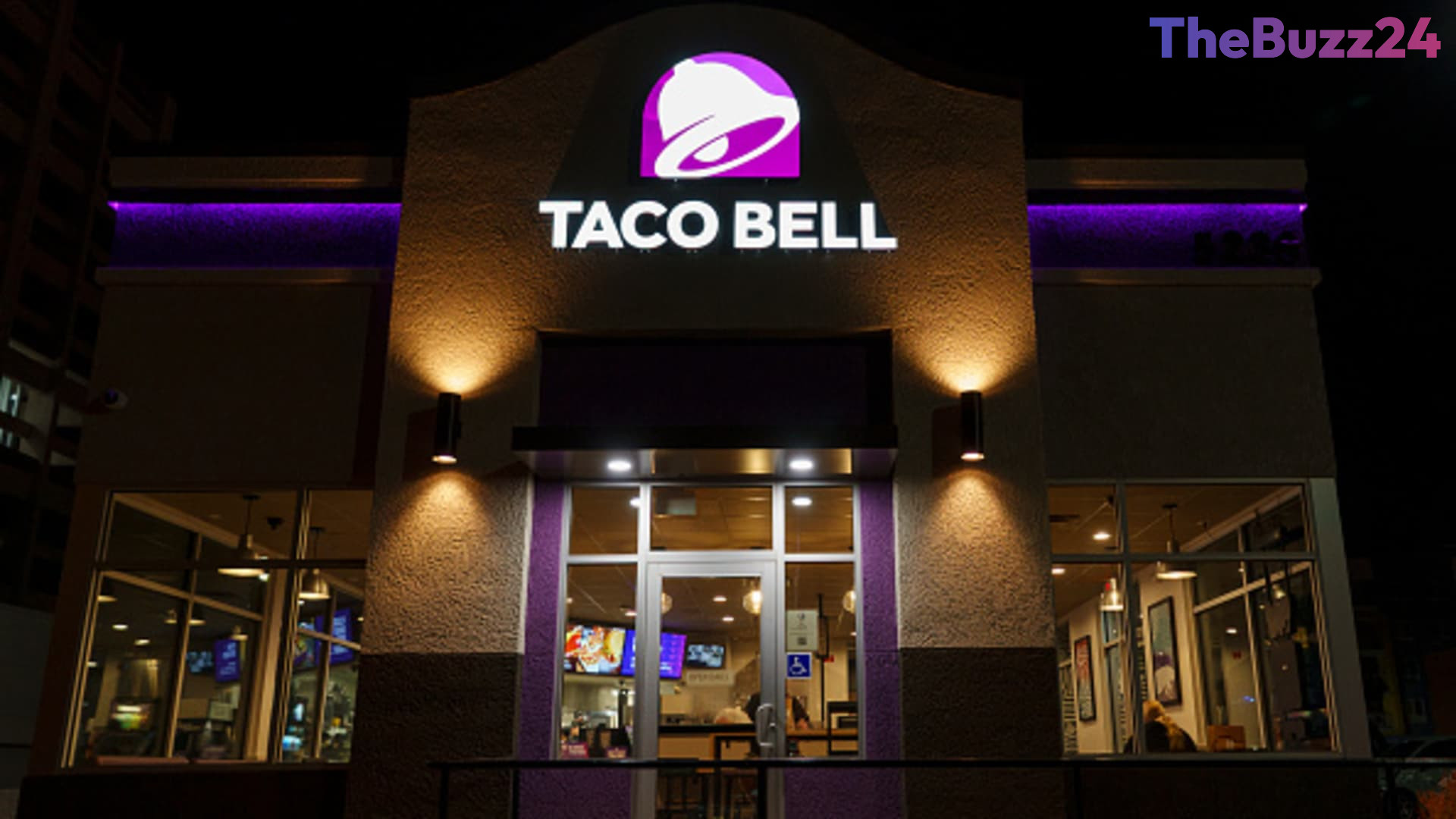
Taco Bell Lettuce Linked to Multistate Cyclospora Parasite Outbreak
Federal health authorities have officially identified shredded iceberg lettuce served at Taco Bell locations across five states as the primary source of a recent outbreak of cyclosporiasis. The parasite, known as Cyclospora, has been linked to restaurants in Indiana, Kentucky, Michigan, Ohio, and West Virginia, prompting an immediate investigation into the supply chain.
Regulatory agencies have traced the contaminated produce to a single supplier, though the specific identity of the distributor has not been publicly disclosed. In response to the findings, Taco Bell has committed to halting the use of lettuce from the implicated supplier. The company had previously taken proactive steps by voluntarily removing certain ingredients from select locations as a precautionary measure while health officials conducted their traceback investigation.
Cyclospora is a microscopic parasite that typically causes severe, watery diarrhea and is often associated with produce contaminated by irrigation water. While the illness is generally not life-threatening and responds to antibiotic treatment, the current outbreak is part of a broader, concerning trend. Data indicates that infections across the United States have already surpassed the record-breaking figures seen in 2019, with cases reported in over 30 states this year.
Public health experts suggest that the rise in reported cases over the last decade may be attributed to a combination of improved diagnostic testing and environmental shifts. As the investigation continues, officials are working to determine if any remaining contaminated stock from the identified supplier is still circulating in the food supply, urging consumers to remain vigilant regarding food safety protocols.
Key Takeaways
- Shredded iceberg lettuce at Taco Bell locations in five states has been confirmed as the source of a Cyclospora parasite outbreak.
- Taco Bell has ceased sourcing lettuce from the identified supplier following a federal investigation.
- Cyclosporiasis cases in the U.S. have reached record highs this year, surpassing the previous peak set in 2019.
Editor’s Analysis & Impact
The identification of a specific supplier in this outbreak highlights the ongoing vulnerabilities within the fresh produce supply chain, particularly regarding imported goods. Cyclospora remains a challenging pathogen for the food industry because it is often difficult to detect and can persist in irrigation water. From a business perspective, this incident underscores the necessity for fast-food chains to maintain rigorous traceability protocols to mitigate reputational damage and legal liability. As climate change continues to alter agricultural environments, the frequency of such outbreaks may increase, forcing retailers and restaurant chains to invest more heavily in supply chain transparency and advanced sanitation technologies. The broader implication is a shift toward more stringent federal oversight of produce imports, which could lead to increased operational costs for suppliers and distributors in the coming years.
Frequently Asked Questions
Q: What are the symptoms of a Cyclospora infection?
A: The primary symptom is watery diarrhea, which can be frequent and sometimes explosive. Other symptoms may include loss of appetite, weight loss, stomach cramps, bloating, increased gas, nausea, and fatigue.
Q: Is the illness caused by the Taco Bell lettuce dangerous?
A: While the infection is typically not life-threatening, it can cause significant discomfort. It is generally treated with a course of antibiotics prescribed by a healthcare professional.
AI Disclosure: This article is based on verified data and official reports. Our Team and AI have cross-referenced every financial detail with primary sources to ensure total accuracy.
More from this Category