The Delicate Balance: Analyzing the U.S.-China Stance on Taiwan Post-Summit
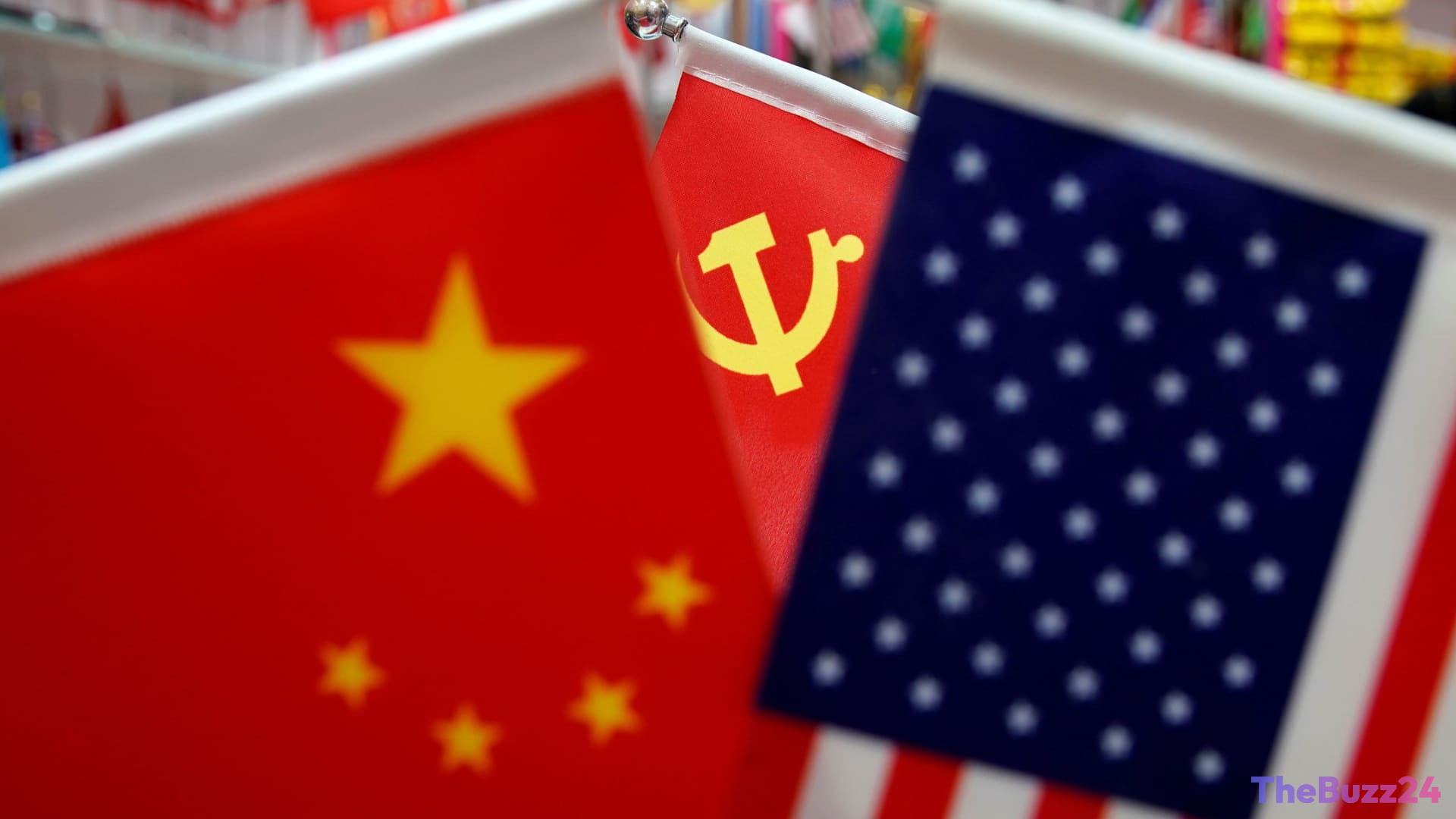
During the recent high-level summit between Donald Trump and Chinese leader Xi Jinping, the status of Taiwan remained a focal point of intense, albeit largely unspoken, diplomatic maneuvering. Despite earlier expectations that the topic of U.S. arms sales to the island would dominate the agenda, the American delegation maintained a notably reserved public posture. This silence, which persisted through official readouts and briefings, signaled a continuation of Washington’s long-standing policy of strategic ambiguity regarding the self-governing territory.
While President Trump had previously suggested that arms sales were on the table, subsequent remarks from his administration indicated that the issue did not take center stage during the primary discussions. Instead, the focus shifted toward de-escalation, with the President publicly urging both Beijing and Taipei to lower tensions. Trump emphasized that U.S. policy remains consistent, explicitly warning against any unilateral moves toward independence while simultaneously refraining from making definitive commitments regarding future military intervention or large-scale weapons transfers.
In response to the summit’s developments, Taiwan’s presidential spokesperson, Karen Kuo, expressed confidence in the continuity of American support, reaffirming the island’s dedication to maintaining the status quo. Taipei continues to view China’s increasing military presence in the Indo-Pacific as the primary threat to regional stability. Meanwhile, analysts observe that the U.S. remains committed to the Taiwan Relations Act, which balances the provision of defensive capabilities to the island with the broader diplomatic framework of the ‘One China’ policy, effectively keeping the international community in a state of watchful waiting.
Key Takeaways
- The U.S. maintained its policy of strategic ambiguity regarding Taiwan during the summit, avoiding explicit changes to its diplomatic stance.
- President Trump urged both China and Taiwan to de-escalate tensions, emphasizing that U.S. policy remains consistent with historical precedents.
- Taiwan continues to prioritize the status quo while identifying China's regional military activities as the main source of instability.
Editor’s Analysis & Impact
The subtle handling of Taiwan during the Trump-Xi summit underscores the island’s critical yet precarious position in global geopolitics. The continued adherence to ‘strategic ambiguity’ by the U.S. maintains a delicate balance, preventing both an explicit commitment to Taiwan’s defense that could provoke Beijing and an abandonment that could embolden China. For the technology sector, particularly semiconductor manufacturing, this geopolitical tension creates ongoing uncertainty, impacting supply chains and investment decisions. The future outlook suggests a continuation of this high-stakes diplomatic dance, with potential arms sales remaining a flashpoint. Broader implications include sustained regional instability in the Indo-Pacific and a constant test of the U.S.-China relationship, where Taiwan serves as a key barometer of trust and rivalry.
Frequently Asked Questions
Q: What is 'strategic ambiguity' regarding Taiwan?
A: Strategic ambiguity is a U.S. foreign policy stance where Washington deliberately remains unclear about whether it would intervene militarily if China were to attack Taiwan. This policy aims to deter both a Chinese invasion and a Taiwanese declaration of independence.
Q: What is the 'One China' policy?
A: The 'One China' policy is the diplomatic acknowledgment by the U.S. of Beijing's position that there is only one Chinese government. Under this policy, the U.S. acknowledges, but does not endorse, China's claim over Taiwan, allowing for unofficial relations with the island.
Q: Why is Taiwan globally important, especially in technology?
A: Taiwan is a critical global hub for advanced semiconductor manufacturing, producing a significant portion of the world's microchips. Its importance in the technology supply chain means that any disruption to Taiwan's stability could have severe global economic repercussions.
AI Disclosure: This article is based on verified data and official reports. Our Team and AI have cross-referenced every financial detail with primary sources to ensure total accuracy.
More from this Category