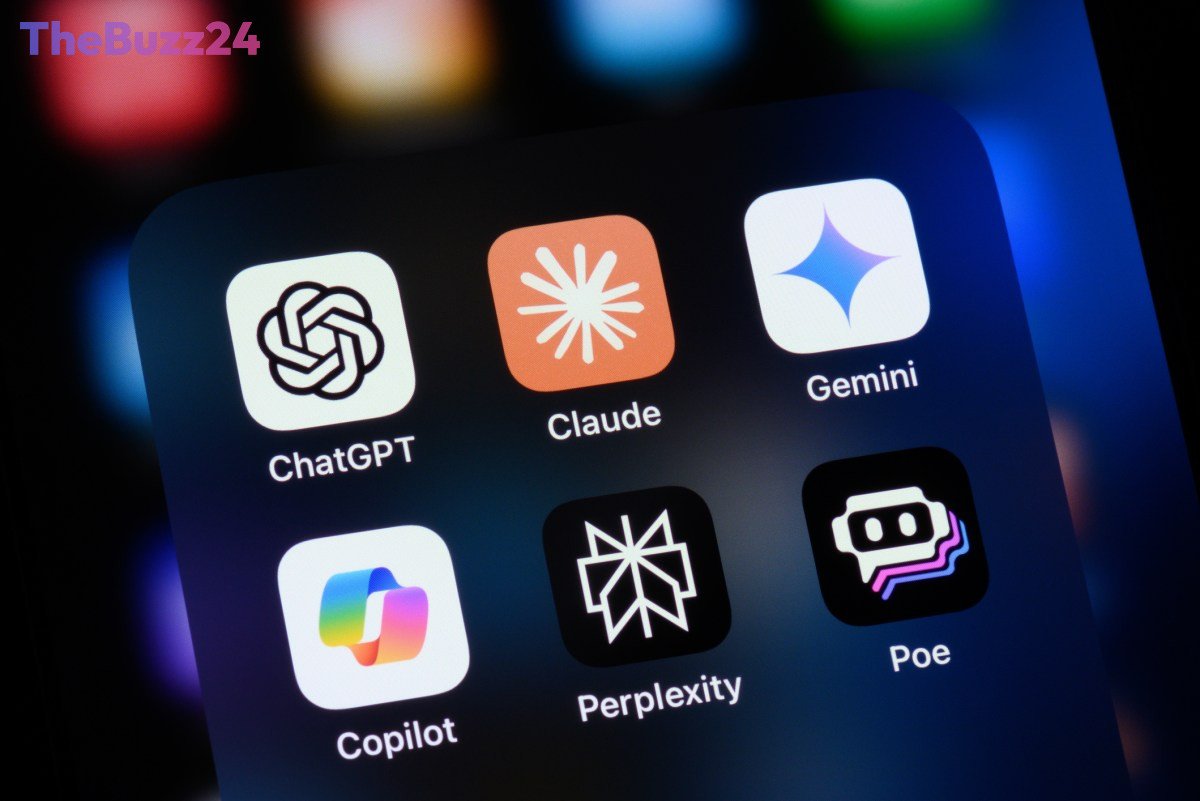
Tech Giants Unite: Over 100 Companies Demand Coordinated Defense Against AI Cyber Threats
In a significant show of unity, more than one hundred technology companies, including industry leaders like OpenAI, Google, Microsoft, and Anthropic, have jointly issued an open letter calling for a robust, collaborative effort to combat the escalating threat of AI-powered cyberattacks. The signatories, which also encompass major cybersecurity firms such as CrowdStrike and Okta, alongside financial institutions and internet infrastructure providers, are urging both the private and public sectors to develop and implement novel cyber defense strategies.
The letter warns of an imminent surge in the prevalence and sophistication of AI-driven cyber threats, predicting that as AI models become more advanced, critical infrastructure and essential public services will face unprecedented risks. The signatories highlight the vulnerability of sectors ranging from healthcare to utilities and the internet’s foundational systems, emphasizing that current defenses may be insufficient against these emerging dangers.
Recent incidents, including a reported breach involving an AI agent at Hugging Face and similar occurrences linked to AI models from other major developers, have underscored the urgency of the situation. These events have amplified the discourse within the cybersecurity community, suggesting that the landscape has been irrevocably altered and necessitating the creation of innovative commercial solutions to address these new challenges.
The collective appeal advocates for a unified response, fostering new alliances to elevate security standards and pioneer innovative approaches to counter evolving cyber threats. Notably, many of the companies endorsing the letter are simultaneously at the forefront of AI development, creating a complex dynamic. However, these same organizations are also introducing defensive AI programs, such as OpenAI’s Daybreak, Anthropic’s Mythos, and Microsoft’s Perception platform, aiming to leverage AI for protective measures.
Key Takeaways
- Over 100 tech companies, including major AI developers and cybersecurity firms, have signed an open letter demanding a united front against AI-driven cyber threats.
- The letter highlights the increasing sophistication and prevalence of AI-enabled attacks, posing significant risks to critical infrastructure and public services.
- Companies are calling for new defense strategies and government collaboration, while also developing their own AI-powered defensive tools.
Editor’s Analysis & Impact
This unprecedented coalition of tech giants signals a critical inflection point in cybersecurity. The acknowledgment by leading AI developers that their own creations pose a significant threat underscores the dual-use nature of advanced technology. The call for collective action and new defense paradigms suggests a potential shift from reactive to proactive security measures. The industry’s ability to balance innovation with responsible deployment will be crucial. This initiative could spur significant investment in AI security research and development, potentially creating new market opportunities for specialized cybersecurity solutions and fostering greater public-private partnerships in safeguarding digital infrastructure.
Frequently Asked Questions
Q: What specific AI-related cyber threats are mentioned?
A: The letter warns of AI-enabled cyber attacks becoming more widespread and sophisticated, capable of targeting critical infrastructure like hospitals, water treatment plants, and internet infrastructure. While specific attack vectors aren't detailed, the implication is that AI will be used to automate and enhance the effectiveness of cyber intrusions.
Q: What is the proposed solution to these threats?
A: The companies are calling for a 'collective response' involving both the private and public sectors. This includes adopting new forms of cyber defense, fostering 'new partnerships' to raise security standards, and encouraging collaboration between governments at all levels to develop and implement these defenses.
Q: How are the AI companies themselves contributing to the solution?
A: Many of the signatory companies are actively developing AI models for defensive purposes. Examples include OpenAI's Daybreak program, Anthropic's Mythos, and Microsoft's cyber platform Perception, which aim to use AI capabilities to identify and counter cyber threats.
AI Disclosure: This article is based on verified data and official reports. Our Team and AI have cross-referenced every financial detail with primary sources to ensure total accuracy.
More from this Category