AI Infrastructure Boom Drives Markets to Monthly Highs
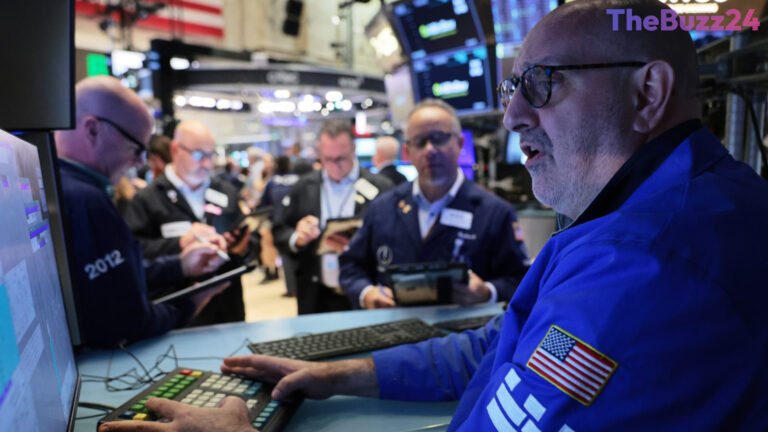
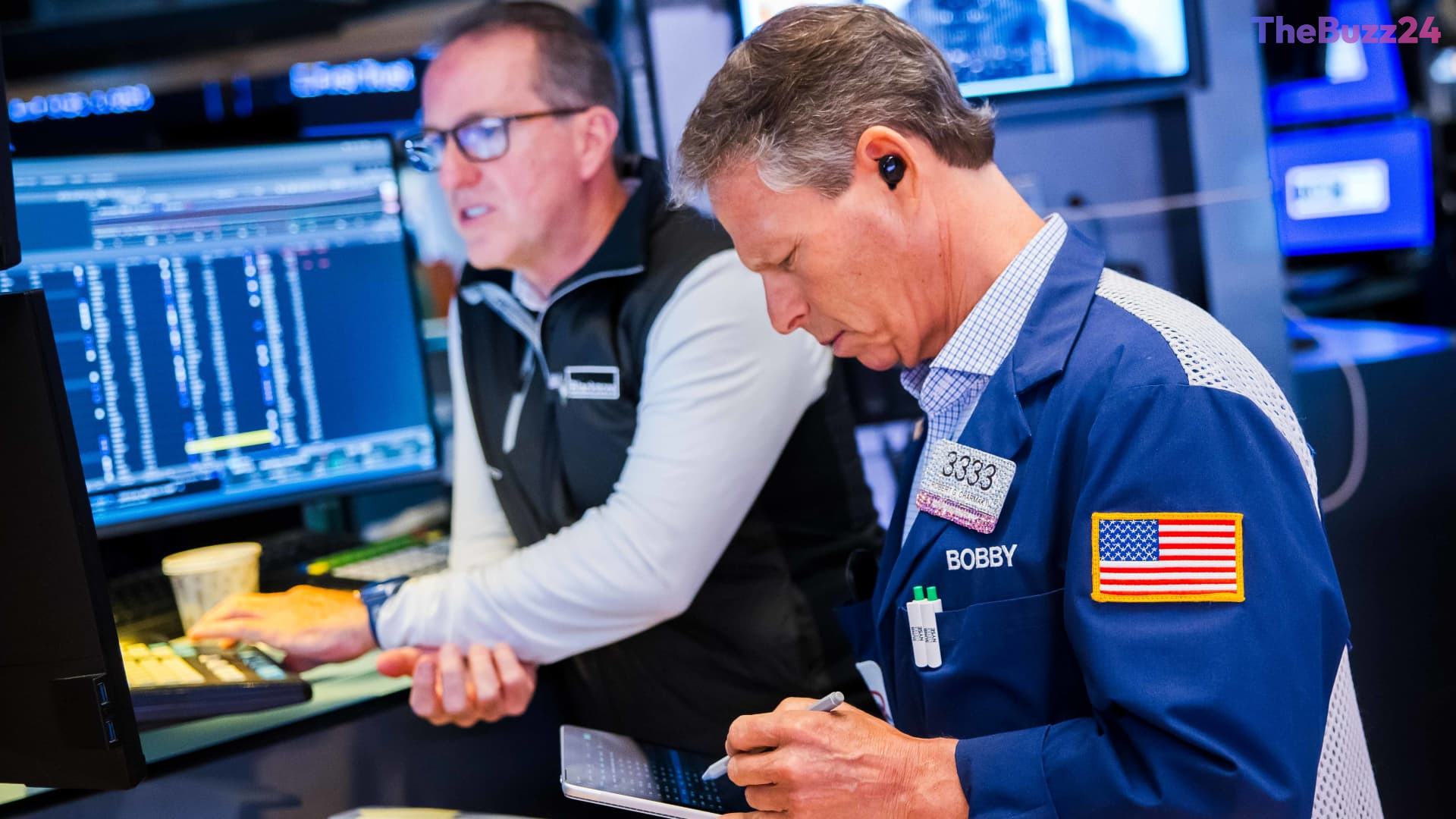
Major stock indices concluded the month of May with significant gains, as a surge in technology sector performance propelled the Nasdaq Composite, S&P 500, and Dow Jones Industrial Average to new intraday peaks. The Nasdaq led the market rally with an 8% monthly increase, outperforming the S&P 500’s 5% rise and the Dow’s 2% growth. This upward momentum underscores a deepening investor confidence in the long-term scalability and integration of artificial intelligence across the global economy.
A pivotal factor in this market shift was the performance of Dell Technologies, which saw its share price climb 30% following a strong quarterly earnings report and positive full-year guidance. This movement indicates a strategic pivot among investors; while initial AI-related gains were largely concentrated in semiconductor manufacturing, capital is now flowing into the essential hardware and infrastructure services required to support large-scale AI deployment. Other major players, including Apple, Micron Technology, and Qualcomm, also experienced notable gains, while the solar energy sector recorded its best monthly performance in over a decade.
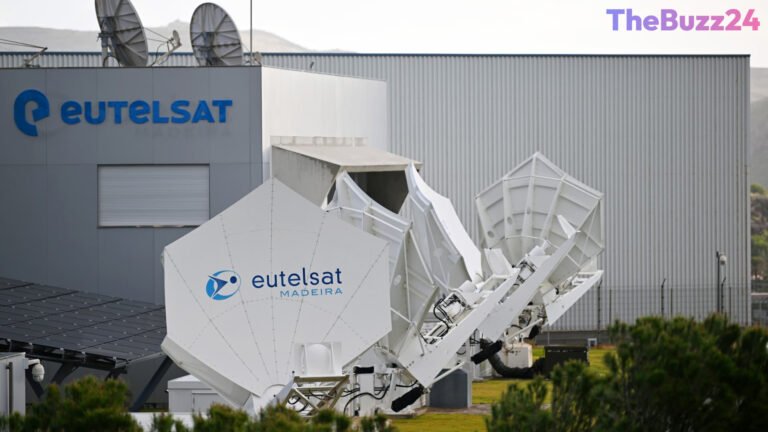
Conversely, the energy sector faced downward pressure as crude oil prices retreated. A potential ceasefire agreement between the U.S. and Iran contributed to a 2% decline in both West Texas Intermediate and Brent crude futures, as traders anticipated improved stability for shipping routes in the Strait of Hormuz. Meanwhile, the aerospace industry navigated mixed results; a ground test explosion involving a Blue Origin rocket introduced temporary volatility for firms such as AST SpaceMobile and Rocket Lab. Despite these technical setbacks, investor interest in the space economy remains robust, fueled by ongoing speculation regarding a potential $1.8 trillion valuation for SpaceX.
Key Takeaways
- The Nasdaq outperformed major indices in May with an 8% gain, signaling strong investor confidence in AI.
- Capital is shifting from semiconductor manufacturing toward the broader hardware and infrastructure ecosystem, as evidenced by Dell's 30% surge.
- Geopolitical easing between the U.S. and Iran caused a 2% drop in crude oil prices due to expectations of stabilized shipping lanes.
Editor’s Analysis & Impact
The market performance in May highlights a critical evolution in the ‘AI trade.’ Initially, capital was heavily concentrated in chipmakers, but the recent surge in hardware-focused firms like Dell Technologies indicates that the market is now pricing in the infrastructure requirements for widespread AI adoption. This transition suggests a more sustainable growth phase for the tech sector. Simultaneously, the volatility observed in the energy and aerospace industries serves as a reminder of how external geopolitical factors and technical risks can disrupt market sentiment. The rumored $1.8 trillion valuation for SpaceX is particularly noteworthy, signaling that the private space sector is maturing into a massive, institutional-grade asset class. Moving forward, the durability of this rally will depend on whether these AI-driven infrastructure investments can successfully translate into consistent, long-term earnings growth across the broader S&P 500.
Frequently Asked Questions
Q: What was the primary catalyst for the surge in Dell Technologies' stock?
A: Dell's stock rose by 30% due to a strong quarterly earnings report and an upward revision of its full-year financial guidance, reflecting high demand for AI-related hardware.
Q: How did geopolitical developments influence energy markets in May?
A: Reports of a potential ceasefire between the U.S. and Iran led to a 2% drop in crude oil prices, as investors reacted to the prospect of more secure and stable shipping routes in the Strait of Hormuz.
Q: Why did space-related stocks experience volatility recently?
A: Market turbulence for companies like Rocket Lab and AST SpaceMobile was triggered by a rocket explosion during a ground test conducted by Blue Origin.
AI Disclosure: This article is based on verified data and official reports. Our Team and AI have cross-referenced every financial detail with primary sources to ensure total accuracy.
More from this Category