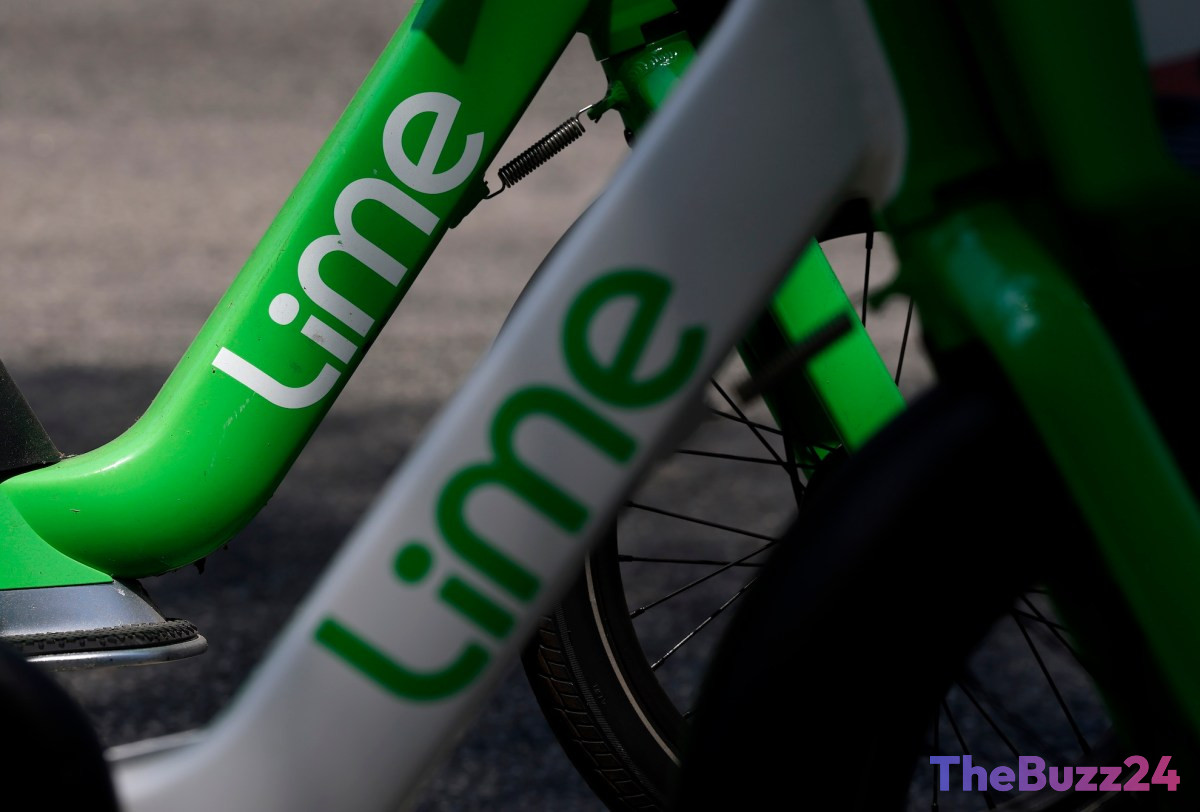
Micromobility Leader Lime Initiates IPO Process Amid Financial Crossroads
Lime, the prominent electric bike and scooter rental provider, has officially filed for an initial public offering (IPO). This move represents a pivotal moment for the Uber-backed firm as it seeks to stabilize its long-term financial future. While the company has demonstrated growth in revenue and a reduction in net losses, its regulatory filings reveal significant fiscal challenges, including roughly $846 million in liabilities maturing within the coming year. The company has candidly noted that its ongoing operational viability is contingent upon the success of this public offering or a potential restructuring of its existing debt.
Operational hurdles remain a central concern for the company’s business model. Lime’s documentation identifies urban infrastructure deficiencies—such as poor road quality and hazardous potholes—as direct risks to the longevity and safety of its fleet. Furthermore, the company’s revenue stream is heavily concentrated, relying significantly on its strategic partnership with Uber and a limited number of key geographic markets, most notably the United Kingdom. These dependencies highlight the vulnerability of the firm to localized regulatory changes and shifts in its primary corporate alliances.
The broader transportation and mobility sector is currently undergoing a period of intense transformation, characterized by a heavy focus on autonomous technology and sustainable infrastructure. While companies like Nuro and Kodiak AI continue to push the boundaries of driverless transport, other innovators are focusing on the supporting ecosystem. For instance, Moment Energy is working to repurpose electric vehicle batteries, and Rocsys is advancing hands-free charging technology. As the industry matures, the ability to secure capital while navigating complex safety benchmarks—such as those recently met by the Tesla Model Y—will be the defining factor for success in the evolving urban mobility landscape.
Key Takeaways
- Lime has filed for an IPO to address approximately $846 million in short-term liabilities.
- The company faces significant operational risks, including heavy reliance on Uber and geographic concentration in markets like the U.K.
- The wider mobility sector is shifting toward autonomous technology and infrastructure innovation, with significant capital flowing into battery repurposing and charging solutions.
Editor’s Analysis & Impact
The IPO filing for Lime serves as a litmus test for the broader micromobility sector, which has struggled to prove long-term profitability since the initial hype cycle of the late 2010s. Lime’s financial situation highlights the ‘capital-intensive’ nature of the business, where high maintenance costs and infrastructure dependencies often clash with the need for rapid scaling. The industry is clearly pivoting toward a more integrated model, where micromobility is no longer a standalone service but a component of larger transportation ecosystems, such as those managed by Uber. Investors will likely scrutinize Lime’s ability to diversify its revenue and manage its debt load. If successful, this IPO could signal a maturation phase for the industry; if it fails, it may trigger a wave of consolidation as smaller players struggle to compete with the capital requirements of modern urban transport.
Frequently Asked Questions
Q: Why is Lime filing for an IPO now?
A: Lime is filing for an IPO primarily to address significant financial pressure, specifically $846 million in liabilities due within the next 12 months, and to secure the capital necessary for continued operations.
Q: What are the main risks identified by Lime in its filing?
A: The company identified several risks, including poor urban infrastructure (like potholes), a heavy reliance on its partnership with Uber, and a high concentration of revenue in a limited number of geographic markets.
AI Disclosure: This article is based on verified data and official reports. Our Team and AI have cross-referenced every financial detail with primary sources to ensure total accuracy.
More from this Category