Teen Social Media Bans Risk Entrenching Big Tech Dominance, Warns Bluesky Executive
Government initiatives to restrict social media access for teenagers, while aimed at youth protection, could inadvertently solidify the market power of major technology companies. This warning comes from Rose Wang, Chief Operating Officer of Bluesky, an open-source social media platform.
Wang articulated her concerns, emphasizing that stringent regulations, particularly those requiring extensive compliance infrastructure, create an almost insurmountable barrier for smaller, innovative entrants. She highlighted that the compliance teams of tech giants can be ten times the size of an entire smaller company like Bluesky, making it exceedingly difficult for them to build and maintain “healthier spaces” online. Bluesky, which originated within X (formerly Twitter) in 2019 and was endorsed by co-founder Jack Dorsey before spinning off in 2021, has grown to 43 million users, a fraction of X’s estimated 450 million.
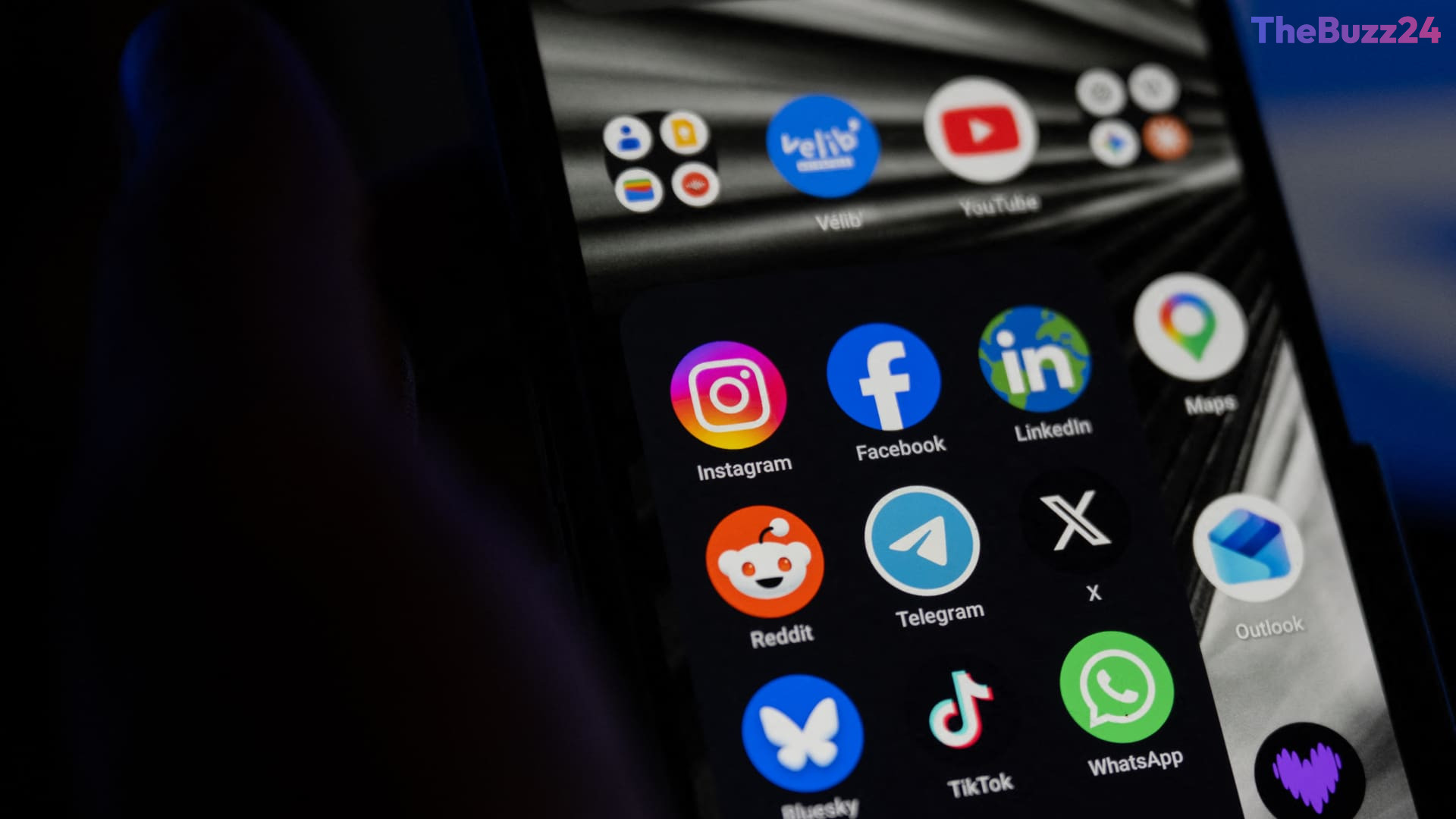
The debate gained significant traction after Australia implemented a blanket ban on social media for individuals under 16 in December. This pioneering legislation mandates platforms like Meta’s Instagram, ByteDance’s TikTok, Alphabet’s YouTube, Elon Musk’s X, and Reddit to deploy robust age verification methods, including facial estimation or ID document uploads. Non-compliance can lead to substantial fines, reaching up to 49.5 million Australian dollars ($35 million). Bluesky itself has introduced age assurance checks to comply with such regulations.
Australia’s move has set a global precedent, with countries including the U.K., Spain, France, and Austria exploring similar legislation. In the United States, state-level bans appear more probable than a national mandate. While acknowledging the necessity of regulation due to past shortcomings of large platforms, Wang stressed that the approach must be nuanced. She advocates for greater dialogue between regulators and small-to-medium-sized players to ensure their protection, while simultaneously implementing targeted regulation for Big Tech firms known for circumventing rules, thereby fostering both safety and innovation.
Key Takeaways
- Government-imposed social media bans for minors, intended for protection, could inadvertently strengthen the market position of dominant tech companies.
- Smaller platforms like Bluesky argue that stringent regulations create insurmountable compliance burdens, hindering innovation and the development of "healthier" online spaces.
- Australia has already implemented a ban for under-16s, setting a precedent that several other nations and U.S. states are now exploring.
Editor’s Analysis & Impact
The debate surrounding youth access to social media highlights a critical tension between user protection and market dynamics. If widespread, these bans could accelerate industry consolidation, making it nearly impossible for startups to compete with established giants like Meta and Alphabet, which possess the vast resources needed for complex age verification and compliance. This could stifle innovation, reduce consumer choice, and potentially lead to a less diverse digital landscape. The future outlook suggests a fragmented regulatory environment, with varying national and state-level approaches. While the intent is noble, the unintended consequence might be an internet dominated by a few heavily regulated, but ultimately unchallengeable, corporate entities, potentially limiting the very “healthier spaces” that smaller platforms aim to create.
Frequently Asked Questions
Q: What is the primary concern raised by Bluesky regarding social media bans for teens?
A: Bluesky's Chief Operating Officer, Rose Wang, warns that while well-intentioned, these bans risk strengthening the market dominance of large tech companies by creating regulatory hurdles that smaller platforms cannot afford to meet.
Q: Which countries are considering or have implemented social media bans for minors?
A: Australia has already implemented a ban for under-16s. The UK, Spain, France, Austria, and several U.S. states are also exploring similar legislative measures.
Q: Does Bluesky oppose all social media regulation?
A: No, Bluesky supports the protection and safety of youth and is not opposed to regulation in principle. However, it advocates for nuanced regulation that protects smaller players and fosters innovation, rather than solely burdening all platforms equally, which disproportionately affects smaller entities.
AI Disclosure: This article is based on verified data and official reports. Our Team and AI have cross-referenced every financial detail with primary sources to ensure total accuracy.
More from this Category