Tehran Declares Victory as US-Iran Deal Sets Stage for Complex Nuclear Negotiations
A recently signed Memorandum of Understanding (MOU) between the United States and Iran is being heralded by Tehran as a significant strategic achievement, signaling not just survival but a strengthened position following recent conflicts. For Iran, the core objective throughout the period of heightened tensions was to ensure the Islamic Republic remained intact, its leadership functional, and its negotiating leverage preserved.
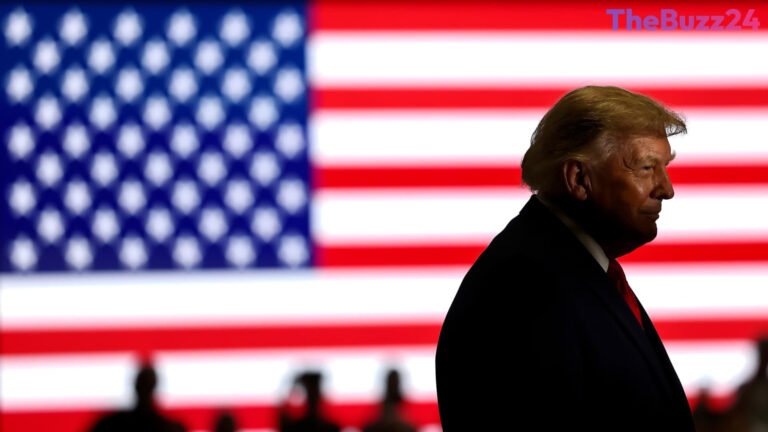
The document, signed by US President Donald Trump and Iranian President Masoud Pezeshkian, outlines a 60-day framework for discussions concerning Iran’s nuclear program. Crucially, it mandates an immediate cessation of military operations across all fronts, including Lebanon, establishes mutual respect for sovereignty, facilitates the reopening of the Strait of Hormuz, and lifts the US naval blockade on Iranian shipping. Iran’s immediate commitments are relatively contained, requiring it to help ensure safe commercial passage through Hormuz—a pre-war status quo—reaffirm its non-pursuit of nuclear weapons, and engage in talks regarding its highly enriched uranium and enrichment activities.
Conversely, the US commitments appear more extensive. Under the terms of the MOU, Washington is set to begin dismantling its naval blockade, issue waivers for Iranian oil exports, unfreeze restricted Iranian assets, work towards easing broader sanctions, and collaborate with regional partners on a comprehensive reconstruction and economic development plan for Iran, valued at a minimum of $300 billion. This substantial package helps explain the initially subdued reaction from Iranian critics, as the MOU provides the leadership with ample justification to present the agreement as a victory, emphasizing recognized sovereignty, the lifting of the blockade, prospective sanctions relief, and explicit reconstruction funding.
However, this period of quiet is unlikely to persist. The most contentious issues, such as the future of Iran’s highly enriched uranium, the scope of its enrichment industry, and the rebuilding of damaged nuclear facilities, have been deferred rather than resolved. These will now be negotiated under intense scrutiny, creating a delicate situation for Tehran’s leadership. State media, the Revolutionary Guards, parliament, and hardline factions have consistently portrayed Iran as having defeated the US and Israel, setting high public expectations. Any perceived compromise on enriched uranium or nuclear infrastructure could be framed by critics as a concession made after a declared victory.
Yet, a refusal to compromise carries its own risks. Should Tehran remain inflexible on these critical nuclear issues, the negotiation process could collapse, potentially jeopardizing the ceasefire itself. Such an outcome would empower those in Washington and Israel who argue that Iran is merely using the MOU to gain time, possibly pushing both sides back towards conflict. Mohammad Bagher Ghalibaf, the speaker of parliament and head of Iran’s negotiating team, has adopted a defiant tone, stating on state television, “I am not a diplomat, but I know well how to make America understand.” This rhetoric is aimed as much at Iran’s domestic hardline base, deeply suspicious of US engagement, as it is at Washington.
Comparisons to the 2015 nuclear agreement, the Joint Comprehensive Plan of Action (JCPOA), are inevitable. In Washington, some may view the current MOU as less favorable, arguing that President Trump has accepted a framework granting Iran economic benefits and sanctions relief while postponing the most difficult nuclear questions. In Tehran, however, the danger is different: hardliners could accuse the government and negotiating team of repeating what they perceived as the betrayal of 2015, when President Hassan Rouhani faced severe criticism for making too many concessions. For Pezeshkian and Ghalibaf, the immediate challenge is to transform this ceasefire framework into a definitive political success before domestic backlash gains momentum.
In the short term, Iran has gained valuable time, relief from immediate military pressure, and the prospect of significant economic concessions, successfully avoiding the total surrender Washington publicly demanded. While the MOU strengthens Iran’s immediate position by ensuring the system’s survival and securing visible US commitments, the critical 60-day period will test the gap between the image of victory projected domestically and the compromises necessary to prevent a return to conflict.
Key Takeaways
- The Memorandum of Understanding (MOU) between the US and Iran is perceived by Tehran as a strategic victory, securing its sovereignty and offering significant economic relief.
- The deal includes an immediate ceasefire, lifting of the US naval blockade, and a framework for 60-day negotiations on Iran's nuclear program, alongside substantial US economic commitments.
- Despite initial declarations of victory, Iran faces significant domestic and international challenges in the upcoming negotiations, particularly regarding its highly enriched uranium and nuclear infrastructure, where compromise could be politically risky.
Editor’s Analysis & Impact
The recent US-Iran MOU carries substantial implications for global markets and regional stability. The lifting of the naval blockade, waivers for Iranian oil exports, and unfreezing of assets are poised to reintroduce Iranian crude to international markets, potentially impacting oil prices and global energy supply chains. The proposed $300 billion reconstruction plan signals a significant opportunity for international businesses, contingent on the success of the upcoming negotiations.
The future outlook hinges critically on the next 60 days. Should Iran and the US successfully navigate the complex nuclear issues, it could pave the way for a more stable Middle East and reduced geopolitical tensions. However, failure to reach a consensus, particularly on Iran’s highly enriched uranium, risks reigniting conflict and undermining the fragile ceasefire. The broader implications include a potential shift in regional power dynamics, with Iran seeking to solidify its influence, while the domestic political challenges in both countries underscore the delicate balance required for sustained diplomatic success.
Frequently Asked Questions
Q: What is the primary objective of the Memorandum of Understanding (MOU) between the US and Iran?
A: The MOU aims to establish an immediate halt to military operations, foster mutual respect for sovereignty, reopen the Strait of Hormuz, lift the US naval blockade, and set a 60-day framework for negotiations on Iran's nuclear program.
Q: What are the key economic benefits for Iran outlined in the deal?
A: The deal includes the lifting of the US naval blockade, waivers for Iranian oil exports, the release of frozen Iranian assets, efforts to ease sanctions, and a commitment from the US and its partners to pursue a reconstruction and economic development plan for Iran worth at least $300 billion.
Q: What are the main challenges Iran faces in the upcoming 60-day negotiation period?
A: Iran's leadership faces the challenge of negotiating sensitive issues like the future of its highly enriched uranium and the scale of its enrichment industry. Any perceived compromise could be politically damaging domestically, especially after declaring victory, while a refusal to compromise risks collapsing the deal and reigniting conflict.
AI Disclosure: This article is based on verified data and official reports. Our Team and AI have cross-referenced every financial detail with primary sources to ensure total accuracy.
More from this Category