Tehran Slams Ottawa’s Support of U.S. Naval Operations Amid Escalating Trade and Geopolitical Tensions
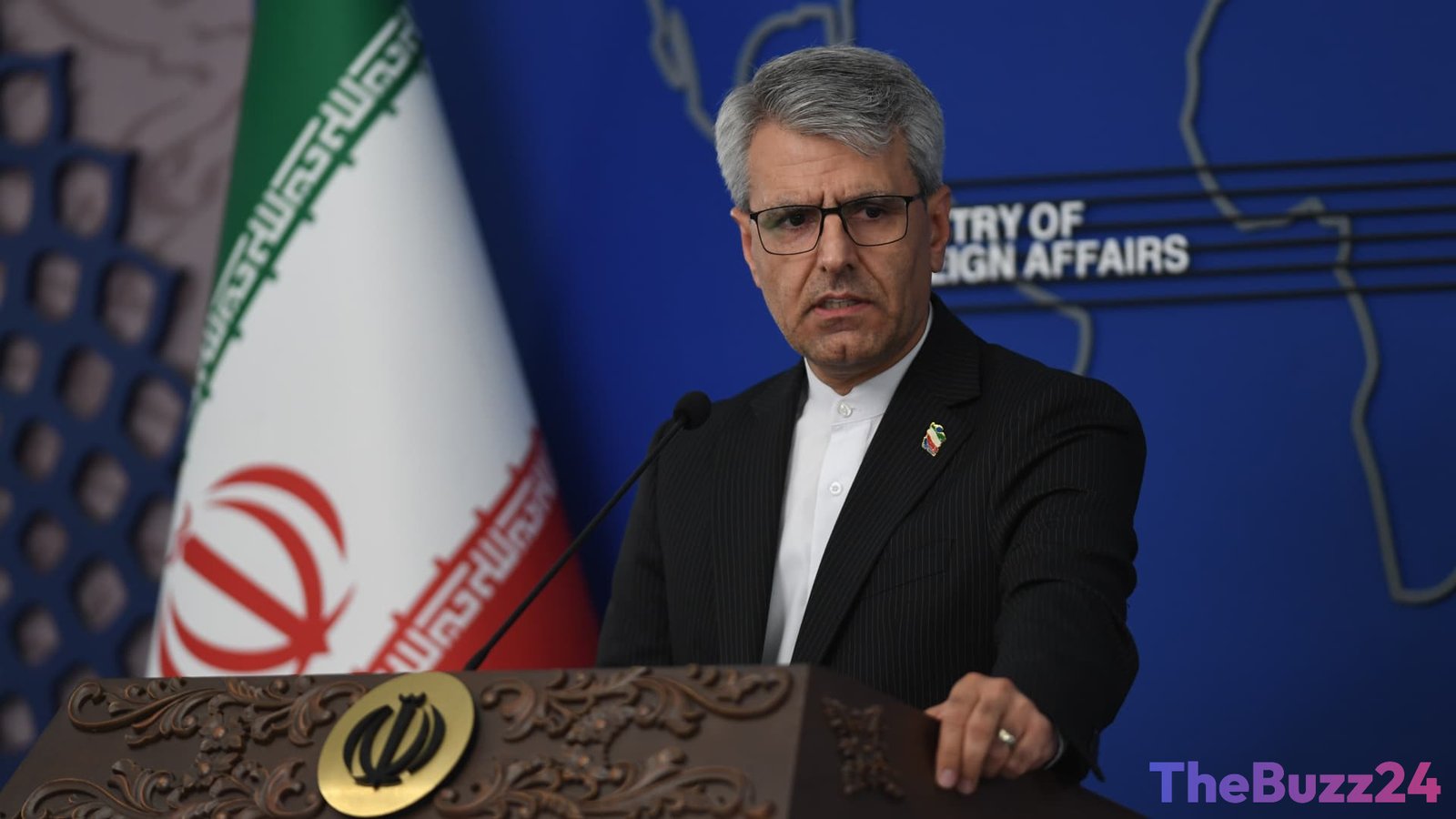
Iran has sharply criticized Canada’s decision to back United States-led military operations in the strategic Strait of Hormuz, labeling Ottawa’s foreign policy as a “display of strategic confusion.” Iranian Foreign Ministry spokesperson Esmaeil Baghaei accused Canada of capitulating to American pressure, pointing out the irony of Ottawa supporting Washington just as bilateral relations between the two North American neighbors strain under severe trade disputes and sovereignty concerns.
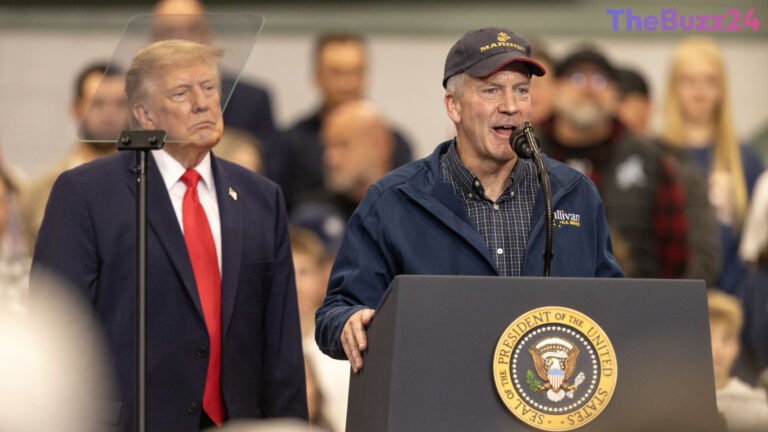
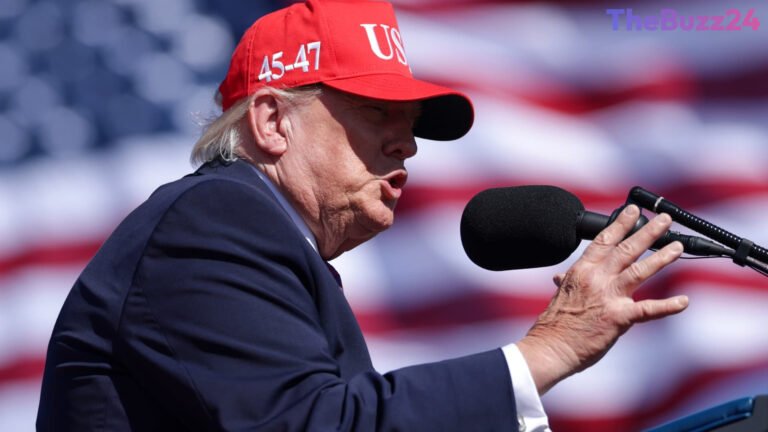
The diplomatic spat intensified following social media posts by U.S. President Donald Trump, which featured a map depicting Canada, Greenland, and Iceland as part of U.S. territory. Baghaei seized on this imagery, questioning why Canada would align with an administration that openly challenges its sovereignty and has previously floated the idea of annexing Canadian territory. This geopolitical friction coincides with a major economic rift between Ottawa and Washington; trade negotiations recently collapsed after Canadian Prime Minister Mark Carney rejected U.S. demands, triggering billions of dollars in reciprocal tariffs.
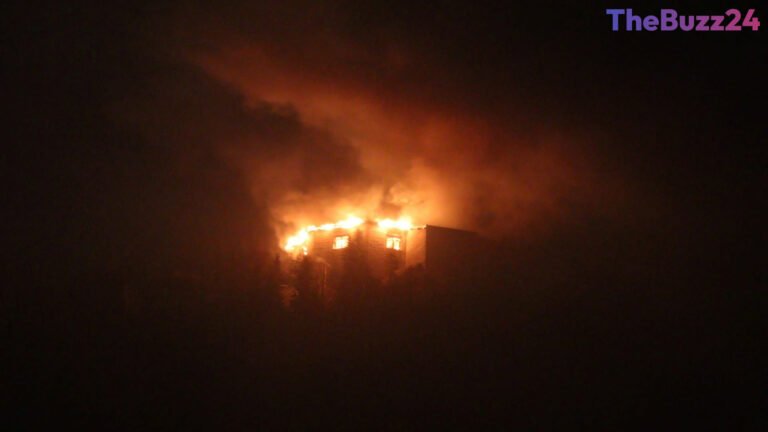
Canada’s stance involves working alongside the U.S., France, and the United Kingdom to maintain maritime security and counter what it terms Iran’s “destabilizing actions” in the Middle East. However, Tehran maintains that backing Western military presence in the Persian Gulf undermines international law. Iran has extended similar warnings to other U.S. allies, including South Korea, cautioning that any foreign military participation in the Strait of Hormuz will carry “serious consequences.”
Meanwhile, the ongoing military engagement is drawing sharp criticism within the United States. Prominent lawmakers have voiced concerns over the financial and strategic costs of the conflict. Senator Mark Warner criticized the administration’s approach as a “war of choice” lacking a clear exit strategy, estimating the financial toll at over $100 billion. Representative Jason Crow also condemned the operations, calling the situation an avoidable “quagmire” and urging an end to prolonged Middle Eastern conflicts, despite assurances from Defense Secretary Pete Hegseth that the deployment would not become an indefinite engagement.
Key Takeaways
- Iran condemned Canada's alignment with U.S. military initiatives in the Strait of Hormuz, calling it a compromise of Canadian sovereignty.
- The diplomatic clash occurs amid heightened trade tensions between Canada and the U.S., following the collapse of bilateral trade talks and the imposition of billions in mutual tariffs.
- Tehran has warned other international allies, including South Korea, against participating in U.S.-led maritime security operations in the Persian Gulf.
Editor’s Analysis & Impact
The escalating rhetoric between Iran, Canada, and the U.S. highlights the fragile state of international coalitions in vital trade corridors like the Strait of Hormuz. Canada’s alignment with the U.S. despite severe bilateral trade disputes underscores the complex balancing act middle powers face when navigating security alliances versus economic sovereignty. For global markets, any prolonged instability or military posturing in the Strait of Hormuz—a critical chokepoint for global oil transit—poses a persistent risk of energy price volatility. Furthermore, growing domestic political dissent within the U.S. regarding the financial burden of these operations suggests that sustained military engagement may face legislative hurdles. As Tehran continues to issue warnings to Asian and European allies, the risk of a broader diplomatic and economic decoupling remains high, potentially reshaping maritime security alliances.
Frequently Asked Questions
Q: Why is the Strait of Hormuz geopolitically significant?
A: The Strait of Hormuz is a vital maritime chokepoint through which a significant portion of the world's petroleum passes. Ensuring freedom of navigation through this strait is crucial for global energy security and economic stability.
Q: What triggered the recent trade dispute between Canada and the United States?
A: Trade negotiations between Ottawa and Washington collapsed after Canadian officials rejected U.S. demands as excessive. This failure led to the implementation of approximately $20 billion in U.S. tariffs on Canadian goods, met with dollar-for-dollar retaliatory tariffs from Canada.
Q: How has Iran responded to other nations supporting U.S. maritime efforts?
A: Iran has warned international allies, such as South Korea, that any military presence or participation in U.S.-led operations in the Persian Gulf and Strait of Hormuz will be viewed as direct support for aggression and will result in serious consequences.
AI Disclosure: This article is based on verified data and official reports. Our Team and AI have cross-referenced every financial detail with primary sources to ensure total accuracy.
More from this Category