Tensions Escalate in Strait of Hormuz Following Vessel Attack and Diplomatic Standoff
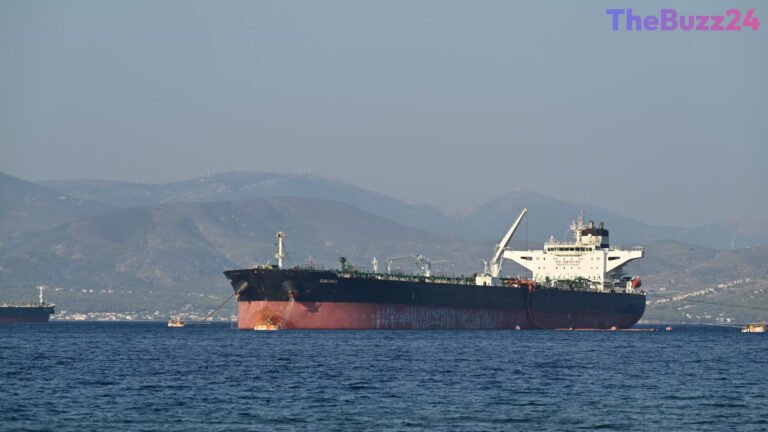
A vessel transiting the Strait of Hormuz was struck by an unidentified projectile late Saturday, resulting in a fire and a subsequent emergency evacuation of the crew. The incident marks the latest in a series of disruptions affecting one of the world’s most critical maritime chokepoints, as regional instability continues to impact global shipping lanes and energy markets.
Diplomatic efforts to resolve the ongoing conflict remain stalled. Iranian officials have publicly rejected the prospect of new negotiations with the United States, with leadership emphasizing a stance of resistance against external pressure. Despite this, Iran is reportedly engaging in regional diplomacy, with plans to meet with Gulf state representatives in Muscat, Oman, to finalize a new shipping route agreement. This move suggests a strategic pivot toward regional cooperation even as tensions with Western powers persist.
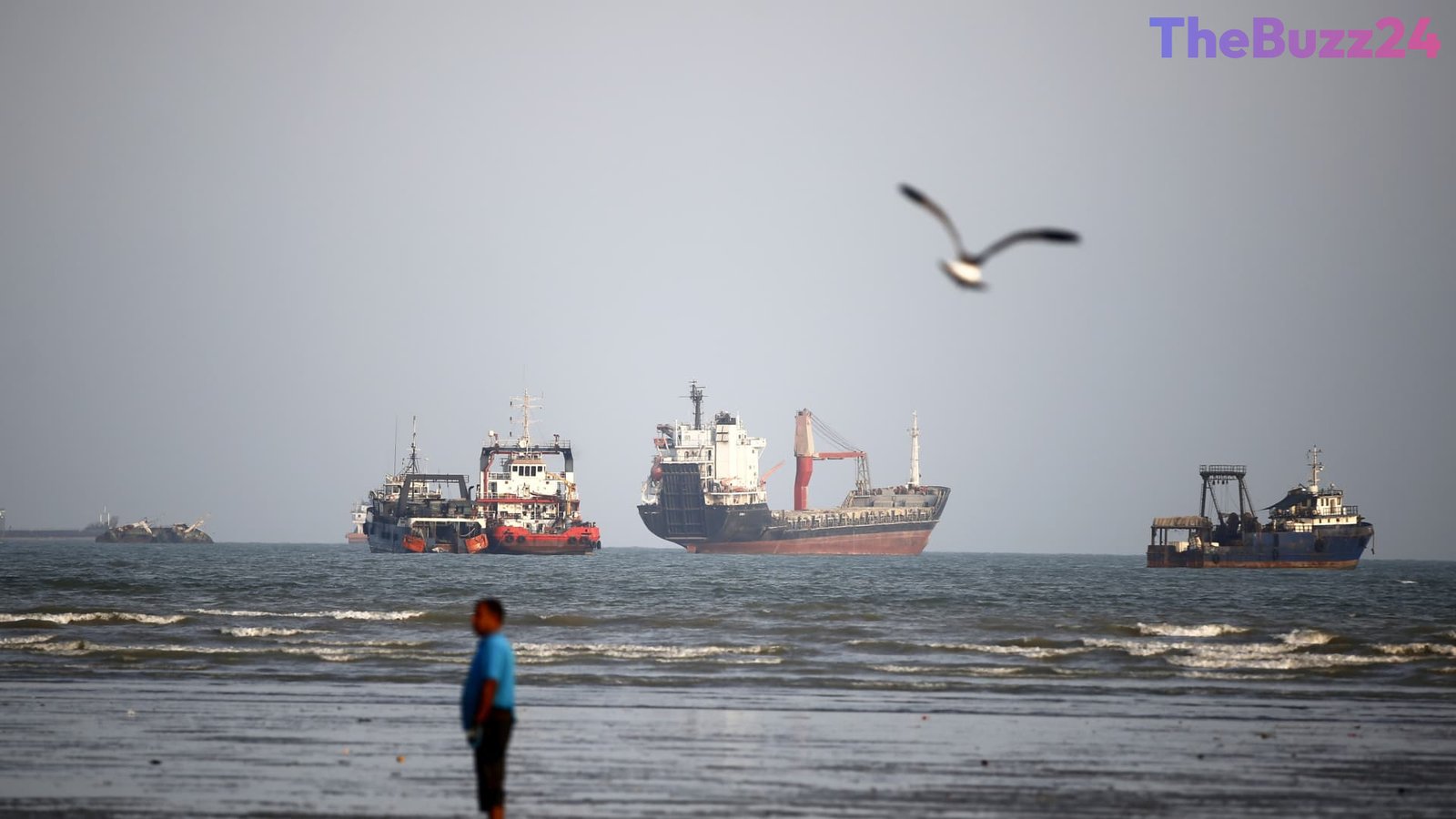
The broader conflict has led to a significant naval blockade, with U.S. forces reporting the redirection of numerous commercial vessels over the past two months. The impact on energy infrastructure is becoming increasingly severe; beyond the maritime disruptions, Saudi Arabia has temporarily shuttered its East-West crude oil pipeline following drone attacks in the Riyadh and Medina regions. These combined factors have kept global oil prices volatile, with Brent crude recently fluctuating near the $100-per-barrel threshold as markets react to the persistent threat of supply chain interruptions.
Key Takeaways
- A vessel was struck by an unknown projectile in the Strait of Hormuz, forcing a crew evacuation and highlighting ongoing maritime security risks.
- Diplomatic talks between the U.S. and Iran remain at a standstill, though Iran is pursuing separate shipping agreements with Gulf neighbors.
- Energy markets remain volatile as the combination of a U.S. naval blockade and drone attacks on Saudi infrastructure threatens global oil supply chains.
Editor’s Analysis & Impact
The situation in the Strait of Hormuz represents a high-stakes geopolitical standoff with immediate consequences for the global economy. By targeting the maritime corridor and critical pipeline infrastructure, the conflict has effectively weaponized energy logistics. The market is currently pricing in a ‘risk premium’ on oil, reflecting the uncertainty surrounding the duration of the U.S. naval blockade and the potential for further regional escalation. While political rhetoric suggests a potential shift in the conflict following upcoming electoral cycles, the immediate outlook remains grim. Investors should anticipate continued volatility in energy futures, as any further disruption to the Strait of Hormuz—which handles a significant percentage of the world’s oil transit—could trigger sharp price spikes and force a long-term restructuring of global energy supply chains.
Frequently Asked Questions
Q: Why is the Strait of Hormuz significant to the global economy?
A: The Strait of Hormuz is a vital maritime chokepoint through which a significant portion of the world's oil supply passes. Disruptions here directly impact global energy prices and supply chain stability.
Q: Are there ongoing negotiations between the U.S. and Iran to resolve the conflict?
A: Currently, there are no active negotiations between the U.S. and Iran. Iranian officials have stated that talks are futile until their specific terms are met, and the U.S. continues to maintain a naval blockade in the region.
AI Disclosure: This article is based on verified data and official reports. Our Team and AI have cross-referenced every financial detail with primary sources to ensure total accuracy.
More from this Category