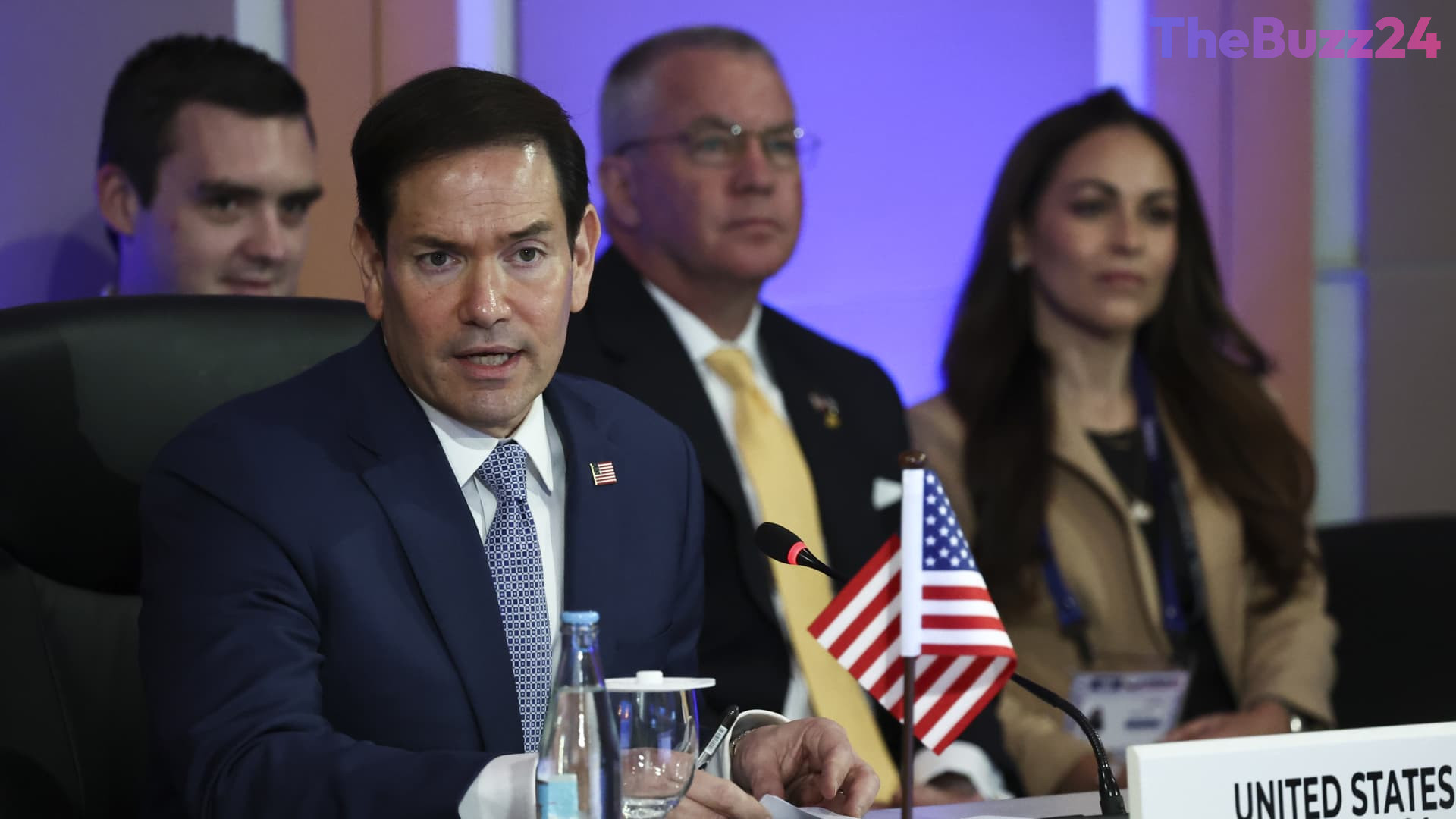
Tensions Escalate: U.S. Targets Iranian Infrastructure Amid Strait of Hormuz Dispute
The United States has intensified its military pressure on Iran, conducting strikes for the 11th consecutive night against key military infrastructure. U.S. Secretary of State Marco Rubio stated that these operations are designed to degrade Iran’s capacity to threaten commercial shipping within the Strait of Hormuz, a critical global maritime artery. The ongoing conflict stems from a fundamental disagreement over the governance of the waterway, which facilitates the transit of approximately 20% of the world’s energy supply.
At the heart of the dispute is Iran’s assertion that it holds the right to regulate traffic and potentially levy fees within the Strait. Washington has rejected these claims, arguing that such actions violate international law and threaten the principle of freedom of navigation. While an interim memorandum of understanding was signed in June to pause hostilities and establish a 60-day window for negotiations, the agreement failed to resolve the management of the waterway, leading to a breakdown in diplomatic progress.
Secretary Rubio warned that allowing a single nation to control an international waterway through coercion would set a dangerous global precedent. He emphasized that the U.S. remains open to diplomacy, provided that Iran demonstrates a genuine commitment to negotiations. However, until such a commitment is realized, the U.S. maintains that military action is necessary to protect its interests and those of its allies, ensuring that vital energy routes remain open to global commerce.
Beyond the immediate Middle Eastern context, the standoff carries broader geopolitical implications. Observers note that the rhetoric surrounding maritime sovereignty mirrors ongoing tensions in the South China Sea, where international navigation rights remain a point of contention. By taking a firm stance in the Strait of Hormuz, the U.S. is signaling its commitment to maintaining established maritime norms against any state-led attempts to restrict access to international waters.
Key Takeaways
- The U.S. has conducted 11 consecutive nights of strikes against Iranian military targets to protect commercial shipping in the Strait of Hormuz.
- The conflict is driven by Iran's demand for control over the waterway, which the U.S. and international law classify as an open international transit route.
- Diplomatic efforts have stalled as both nations interpret a June memorandum of understanding differently, specifically regarding Iran's role in managing maritime traffic.
Editor’s Analysis & Impact
The ongoing military engagement in the Strait of Hormuz represents a high-stakes standoff with significant implications for global energy markets. Because the Strait is a primary chokepoint for global oil and gas supplies, any sustained disruption or perceived threat to shipping lanes inevitably triggers volatility in energy prices. From a geopolitical perspective, the U.S. is attempting to prevent a ‘new normal’ where regional powers can unilaterally impose tolls or restrictions on international waters. This strategy is clearly intended to serve as a deterrent not only to Iran but also to other nations with similar territorial ambitions in contested waters like the South China Sea. The future outlook remains precarious; without a breakthrough in diplomatic negotiations, the cycle of military strikes and retaliatory posturing risks further destabilizing the region and potentially escalating into a broader conflict.
Frequently Asked Questions
Q: Why is the Strait of Hormuz so important?
A: The Strait of Hormuz is one of the world's most critical maritime chokepoints, as approximately 20% of the global energy supply passes through it daily.
Q: What is the core disagreement between the U.S. and Iran regarding the Strait?
A: The U.S. insists on freedom of navigation for all international vessels, while Iran claims it has the right to regulate traffic and charge fees for maritime services within the waterway.
AI Disclosure: This article is based on verified data and official reports. Our Team and AI have cross-referenced every financial detail with primary sources to ensure total accuracy.
More from this Category