Tesla and SpaceX Shed Over $420 Billion in Market Value Following Midterm Elections
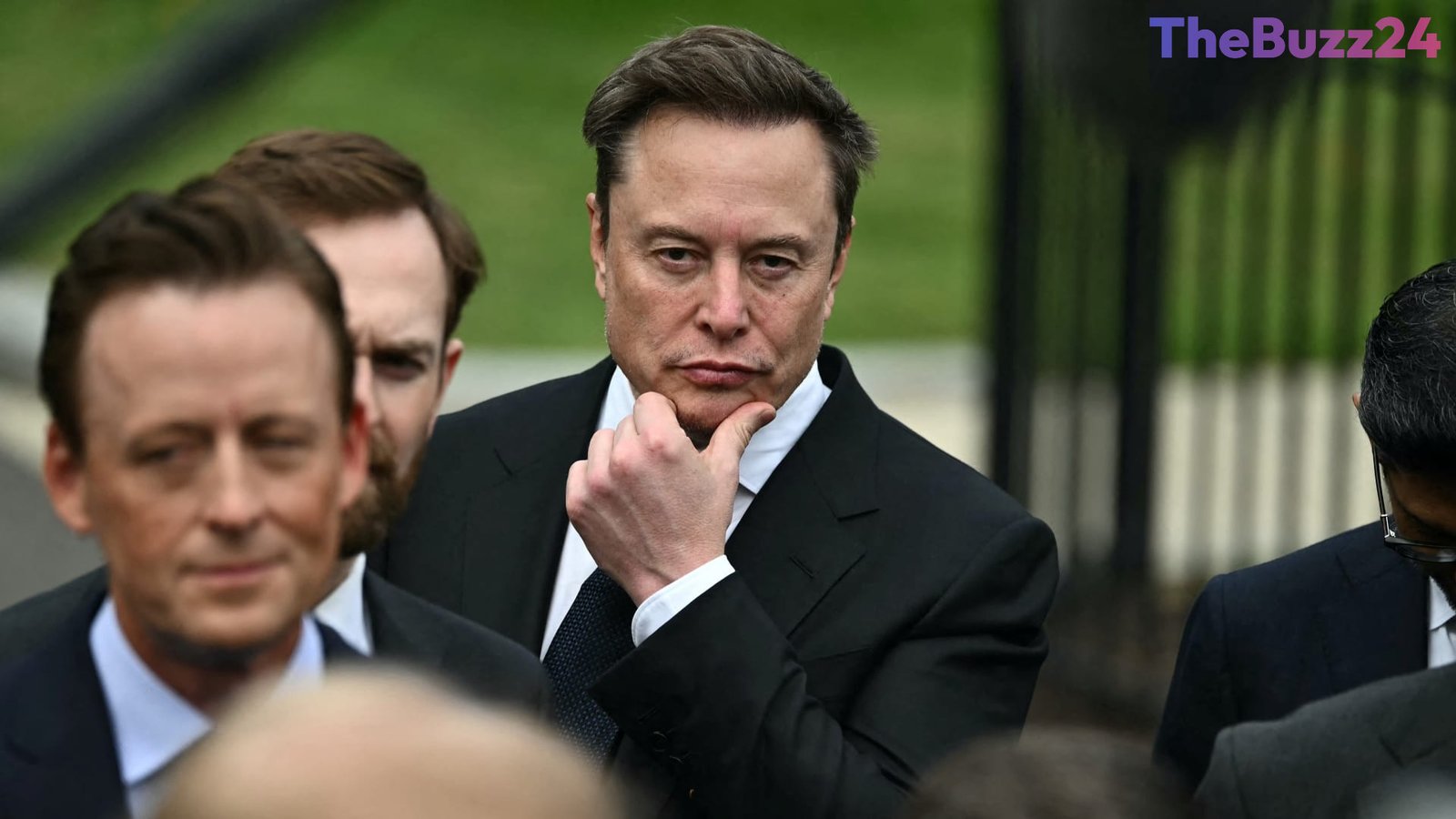
The valuation of Elon Musk’s primary ventures, Tesla and SpaceX, suffered a massive blow in the wake of the United States midterm elections, dropping by more than $420 billion in combined market capitalization over a 48-hour span. The sharp downturn coincides with a wider technology sector sell-off and growing investor anxiety regarding the future regulatory landscape for both enterprises. Market participants have grown increasingly cautious that the shift in legislative power could spark fresh congressional inquiries and heightened oversight into the billionaire entrepreneur’s commercial empire.
Political developments at both the federal and state levels have compounded these concerns. With Democrats securing control of both chambers of Congress, and significant political shifts occurring in Texas—where both Tesla and SpaceX maintain their corporate headquarters—analysts anticipate a more challenging environment for major infrastructure and technology projects. Key local leadership changes, including a newly elected governor who campaigned heavily on restricting data center expansions and tightening water and energy resource protections, pose potential hurdles for ongoing and planned regional developments.
Beyond domestic regulatory challenges, the companies face complex hurdles regarding artificial intelligence infrastructure buildouts and prospective corporate maneuvers, including a heavily discussed merger between the automotive and aerospace giants. Furthermore, federal inquiries loom concerning past operational decisions involving satellite communications services abroad. Despite these temporary setbacks and a notable reduction in personal net worth, Musk retains his standing as the wealthiest individual globally while navigating this evolving political and economic terrain.
Key Takeaways
- Tesla and SpaceX experienced a combined market capitalization loss exceeding $420 billion following the midterm elections.
- Shifts in political control at both the federal level and in Texas raise the prospect of stricter regulations and heightened scrutiny on AI infrastructure.
- Elon Musk's personal net worth saw a significant reduction, though he remains the world's richest individual.
Editor’s Analysis & Impact
The substantial market correction experienced by Tesla and SpaceX highlights the profound sensitivity of high-growth technology conglomerates to shifts in the political and regulatory landscape. As legislative power shifts, investors are rapidly repricing the risk profile of companies heavily reliant on favorable government policies, state-level resource allocations, and ambitious artificial intelligence expansions. The local political dynamics in Texas, in particular, signal a potential bottleneck for large-scale data center and semiconductor manufacturing projects that are central to Musk’s future ecosystem. Moving forward, the primary challenge for these firms will be navigating increased compliance costs and potential congressional probes while maintaining their aggressive technological roadmaps. This event serves as a reminder that heavy corporate involvement in partisan politics can introduce unexpected systemic risks when political power transitions.
Frequently Asked Questions
Q: Why did Tesla and SpaceX lose market value after the midterms?
A: The decline was driven by investor concerns over potential new congressional probes, stricter federal and state regulations, and a broader technology sector sell-off following Democratic victories in Congress and key shifts in Texas politics.
Q: How did the election results in Texas impact Elon Musk's companies?
A: Democrats won key races in Texas, including the governorship, with candidates campaigning for stricter regulations on data centers, water use, and electricity costs—factors that directly impact Tesla and SpaceX's major AI and infrastructure projects in the state.
Q: What is the current status of Elon Musk's net worth?
A: Following the market downturn and a drop of roughly $90 billion over a week, Elon Musk's net worth has fallen below $800 billion, though he remains the wealthiest person in the world.
AI Disclosure: This article is based on verified data and official reports. Our Team and AI have cross-referenced every financial detail with primary sources to ensure total accuracy.
More from this Category