Tesla’s Cybercab Launch: A High-Stakes Pivot Toward Autonomous Dominance
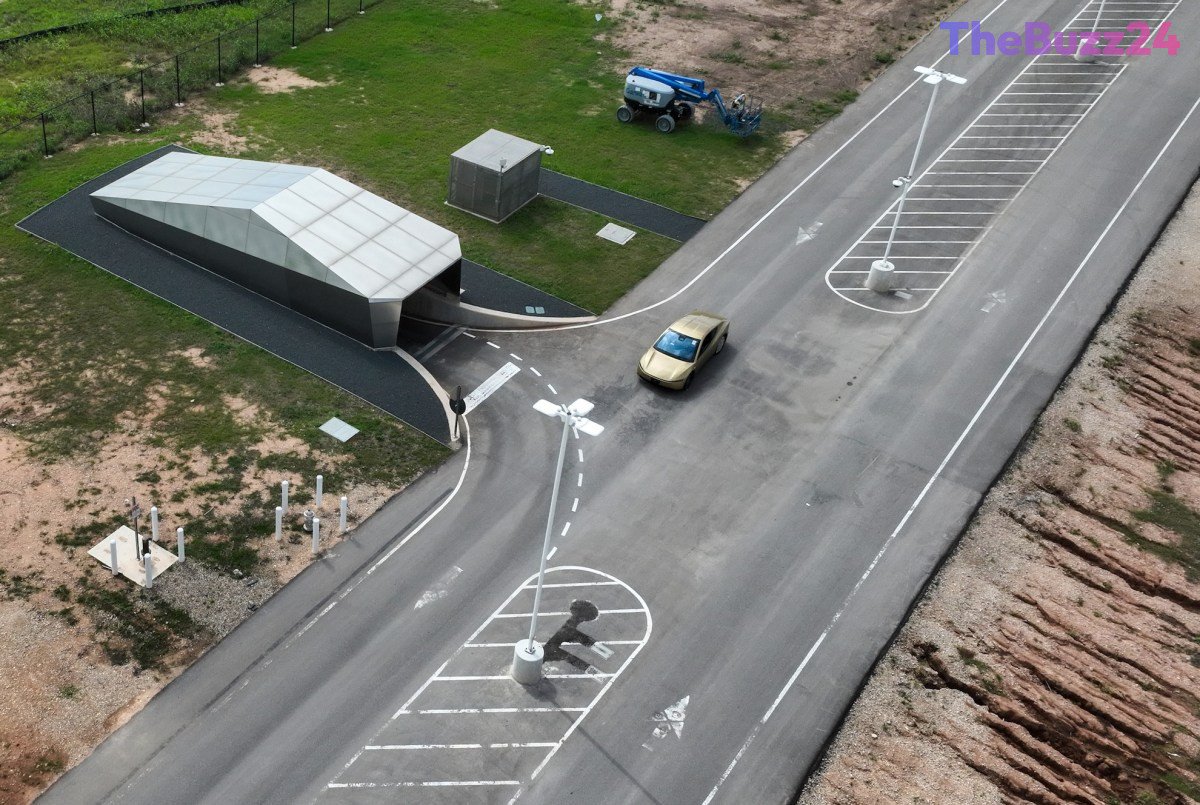
Tesla is set to unveil its highly anticipated Cybercab in Austin, Texas, marking a pivotal moment for the company as it attempts to transition from a traditional automaker into a leader in AI and robotics. The vehicle, a compact, two-seater sedan devoid of steering wheels or pedals, relies entirely on camera-based AI systems to navigate urban environments. While the exact scale of the launch remains under wraps, the company has signaled a significant ramp-up in activity, with numerous autonomous units spotted across various U.S. cities in recent weeks.
This launch represents a strategic ‘fork in the road’ for CEO Elon Musk. For over a decade, the company has promised full autonomy, though previous efforts were largely confined to driver-assistance software that required human oversight. By pivoting its development focus toward the Cybercab—a vehicle designed specifically for cost-efficiency and mass production—Tesla is betting that its unique approach to hardware and software will allow it to outpace competitors who rely on more expensive, sensor-heavy configurations. The company’s internal shift, which included significant layoffs to prioritize autonomy, underscores the intensity of this corporate transformation.
Despite the optimism, the road ahead is fraught with technical and regulatory challenges. While Tesla has been testing a robotaxi pilot program using modified Model Y SUVs in Texas and Florida, the network has faced hurdles, including minor collisions and fluctuating performance metrics. Critics point out that operating a small, geofenced fleet is vastly different from scaling a nationwide autonomous network. As Tesla prepares to deploy the distinctively designed Cybercab, the company faces increased scrutiny; any technical failures will be far more visible than they were with the company’s standard consumer vehicles, placing the firm’s reputation for safety and innovation on the line.
Key Takeaways
- The Cybercab is a purpose-built, pedal-less autonomous vehicle designed to shift Tesla's business model from consumer car sales to an AI-driven robotaxi network.
- Tesla is betting on a cost-efficient, camera-only AI approach to outcompete rivals who utilize more expensive sensor arrays.
- The launch serves as a critical test for Tesla, as the company must prove its software can handle complex real-world driving scenarios at scale without human intervention.
Editor’s Analysis & Impact
The launch of the Cybercab is arguably the most significant inflection point in Tesla’s history. By moving away from the traditional automotive manufacturing model to focus exclusively on an autonomous network, Tesla is attempting to capture the high-margin potential of the ‘robotaxi’ market. If successful, this could fundamentally disrupt urban transportation and solidify Tesla’s valuation as an AI company rather than a car manufacturer. However, the industry impact hinges on the company’s ability to solve ‘edge cases’—the unpredictable scenarios that current AI struggles to navigate. If the Cybercab fails to demonstrate a clear safety advantage over human drivers or existing competitors like Waymo, Tesla risks alienating its core customer base and facing severe regulatory pushback. The future of the company’s stock and its long-term viability now rest almost entirely on the reliability of its autonomous software stack.
Frequently Asked Questions
Q: What makes the Cybercab different from previous Tesla models?
A: The Cybercab is designed specifically for autonomy, meaning it lacks traditional controls like a steering wheel or pedals, and it is built with a focus on lower production costs and operational efficiency.
Q: Has Tesla already been testing its autonomous technology?
A: Yes, Tesla has been running a robotaxi pilot program in cities like Austin using modified Model Y SUVs, though these tests have primarily operated within geofenced areas and initially required human safety drivers.
AI Disclosure: This article is based on verified data and official reports. Our Team and AI have cross-referenced every financial detail with primary sources to ensure total accuracy.
More from this Category