The $100,000 College Tab: A Closer Look at Rising Costs and Financial Aid Realities
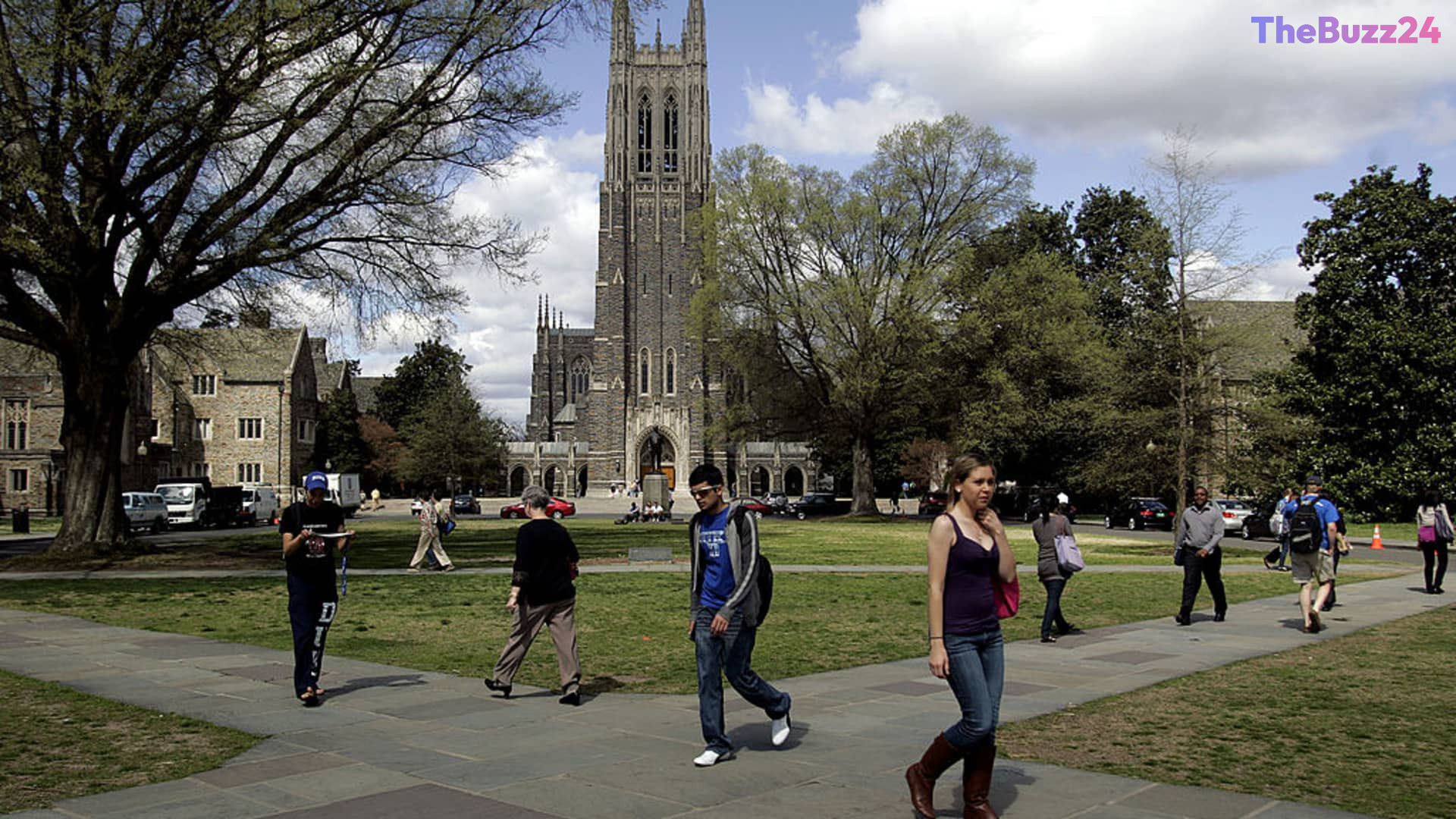
The landscape of higher education is witnessing a significant shift, with the annual cost of attendance at a growing number of institutions now exceeding $100,000. For the 2026-27 academic year, at least 16 colleges and universities, including prominent names like Duke, the University of Chicago, Smith, Vassar, Georgetown, and New York University, are projected to have sticker prices in this six-figure range. This comprehensive cost typically includes tuition, fees, room and board, books, transportation, and other essential expenses.
This upward trajectory in college costs has prompted a reevaluation among students and families, leading to a noticeable trend where smaller private liberal arts colleges are losing ground to more affordable public universities. While undergraduate enrollment has seen modest increases overall, this growth is primarily driven by community colleges and four-year public institutions. Education expert Jeff Selingo notes that only the most selective institutions, such as the Ivy League schools like Harvard, Yale, and Amherst, appear immune to this pushback, consistently attracting applicants willing to pay top dollar for their prestige.
However, the daunting sticker price often doesn’t reflect the actual amount families pay. Many colleges, particularly those with higher published costs, employ substantial tuition discounting strategies, frequently in the form of merit-based aid. For instance, the average tuition discount for first-time, full-time students at private colleges reached approximately 57% for the 2025-26 academic year. This means that for every dollar of potential tuition and fees, institutions awarded roughly 57 cents in grant aid. Furthermore, some elite universities, including Harvard, the University of Pennsylvania, and MIT, offer generous financial aid packages that can make attendance tuition-free for undergraduates from families earning up to $200,000 annually. This widespread practice of financial aid means that prospective students should not be deterred by a high sticker price, as the likelihood of receiving significant grant aid is considerable.
Key Takeaways
- At least 16 colleges and universities are projected to have sticker prices exceeding $100,000 for the 2026-27 academic year, encompassing tuition, fees, and living expenses.
- Despite high sticker prices, most students do not pay the full amount due to significant tuition discounts and financial aid packages, with some top universities offering tuition-free options for lower-income families.
- Rising costs are shifting undergraduate enrollment towards public institutions and community colleges, though elite universities like the Ivy League continue to attract students regardless of price.
Editor’s Analysis & Impact
The emergence of six-figure college sticker prices signals a critical juncture in higher education, highlighting a growing disparity between perceived and actual costs. This trend will likely intensify competition among private institutions, potentially leading to consolidation or increased specialization for those struggling to attract students without substantial discounting. For the most elite universities, high sticker prices coupled with generous financial aid will continue to serve as a strategic tool to maintain exclusivity and attract diverse talent. The broader implications include a heightened focus on the ‘net price’ of education rather than the sticker price, pushing for greater transparency from institutions. This also underscores the increasing importance of financial literacy for families navigating college admissions, as well as ongoing policy debates surrounding college affordability and student loan debt.
Frequently Asked Questions
Q: Do most students actually pay the full sticker price at these expensive colleges?
A: No, the majority of students do not pay the full sticker price. Many colleges, especially those with high published costs, offer substantial financial aid, grants, and merit-based scholarships, which significantly reduce the 'net price' a student or family ultimately pays.
Q: Why are some elite universities still able to attract students despite high costs?
A: Highly selective institutions, particularly Ivy League schools, maintain strong demand due to their global prestige, academic excellence, and robust alumni networks. They also often provide very generous need-based financial aid packages, making them accessible to a wide range of students regardless of their family's income level.
AI Disclosure: This article is based on verified data and official reports. Our Team and AI have cross-referenced every financial detail with primary sources to ensure total accuracy.
More from this Category