The $12.5 Billion Benchmark: Why Sports Franchise Valuations Are Defying Traditional Metrics
The landscape of professional sports ownership has undergone a seismic shift, with the Los Angeles Lakers recently setting a new global record for franchise valuation at $12.5 billion. This transaction, involving a majority equity sale to Joshua Kushner and Bob Iger, follows a rapid succession of record-breaking deals that have redefined the financial ceiling for elite sports teams. Just months prior, the franchise was valued at $10 billion, illustrating the blistering pace at which these assets are appreciating.
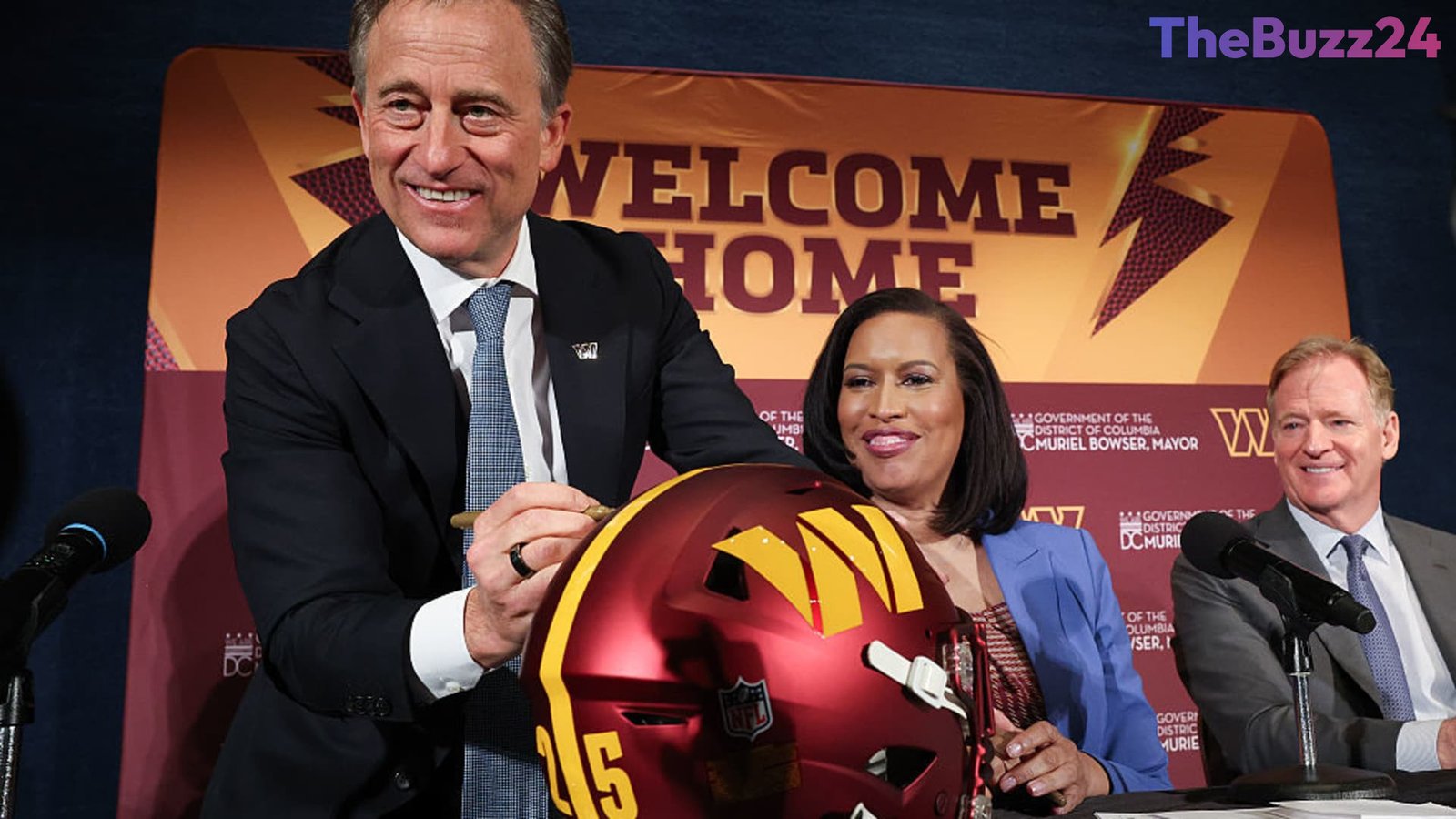
Josh Harris, owner of the Philadelphia 76ers and the Washington Commanders, views these escalating figures not as a bubble, but as a reflection of the unique, scarcity-driven nature of sports assets. Having acquired the Commanders for $6 billion in 2023—a figure once considered the absolute peak of market capacity—Harris now suggests that such investments are proving to be highly attractive. The market has seen similar aggressive valuations elsewhere, including the Atlanta Falcons at $10.6 billion and the Seattle Seahawks at $9.61 billion.
Industry experts note that these valuations are increasingly decoupling from traditional revenue multiples. The Lakers deal, for instance, is estimated at roughly 20 times the team’s projected 2025-26 revenue. Harris attributes this trend to the unparalleled value of live sports content, global fan engagement, and the increasing influx of private equity capital, which has transformed historically illiquid sports franchises into more dynamic investment vehicles. As these teams transcend standard financial metrics, the appetite for ownership among ultra-high-net-worth individuals and institutional investors shows no sign of waning.
Key Takeaways
- The Los Angeles Lakers have set a new record for sports franchise valuations, reaching $12.5 billion in a recent ownership transition.
- Sports team valuations are increasingly driven by the scarcity of the assets and the high demand for live, global media content rather than traditional revenue multiples.
- The entry of private equity firms into the sports sector has increased liquidity and contributed to the rapid appreciation of franchise prices.
Editor’s Analysis & Impact
The rapid inflation of sports franchise valuations signals a fundamental change in how institutional investors perceive these assets. By moving beyond traditional EBITDA or revenue-based valuation models, owners are treating teams as ‘trophy assets’ with inherent scarcity value that functions as a hedge against broader market volatility. The involvement of private equity is a critical catalyst, providing the capital necessary to sustain these record-breaking prices while professionalizing the revenue streams of these organizations. Looking ahead, we can expect continued consolidation and higher entry barriers, potentially leading to a secondary market where minority stakes become more common as full control becomes prohibitively expensive for all but the wealthiest global investors. This trend suggests that sports teams will continue to outperform traditional asset classes in terms of prestige and long-term capital appreciation.
Frequently Asked Questions
Q: Why are sports teams being valued at such high revenue multiples?
A: Valuations are increasingly driven by the scarcity of top-tier franchises, their massive global fan bases, and the unique value of live sports content in an era of fragmented media consumption.
Q: What role does private equity play in the current sports market?
A: Private equity firms are providing significant capital for acquisitions and helping to modernize the business operations of sports teams, which has increased the liquidity and overall market value of these franchises.
AI Disclosure: This article is based on verified data and official reports. Our Team and AI have cross-referenced every financial detail with primary sources to ensure total accuracy.
More from this Category