The 22-Hour Odyssey: Qantas Prepares for World’s Longest Non-Stop Flight
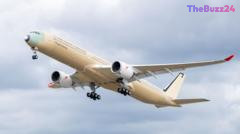
Qantas is set to redefine global travel by launching the world’s first non-stop commercial flight between London and Sydney, a journey expected to last approximately 22 hours. Scheduled to commence in October 2027, this ambitious project, known as ‘Project Sunrise,’ aims to eliminate the traditional stopovers that have defined long-haul travel for decades. By utilizing specially modified Airbus A350-1000 aircraft equipped with extra fuel tanks, the airline intends to shave four hours off the current travel time, effectively bridging the vast distance between the two cities in a single leg.
To accommodate the extreme duration of the flight, the aircraft will feature a unique cabin configuration. Nearly 40% of the seating will be dedicated to premium classes, while the economy section will offer increased legroom and a specialized ‘wellness’ zone. This area is designed to allow passengers to perform stretching exercises, mitigating the health risks associated with prolonged immobility, such as deep vein thrombosis. Furthermore, the cabin environment, including lighting and meal schedules, will be optimized to help passengers manage jetlag.
While the airline views this as a major milestone in aviation history, the project faces scrutiny regarding its market viability. The flights are expected to command a premium price, roughly 20% higher than current one-stop alternatives, leading some analysts to question whether the demand for such convenience is broad enough. Despite these concerns, Qantas remains optimistic, citing the success of its existing Perth-to-London route as evidence that travelers are increasingly willing to pay for the efficiency and peace of mind that comes with avoiding connecting flights.
This launch comes at a pivotal time for the carrier, which has spent the last few years working to restore its reputation following a series of legal and operational challenges. As the airline prepares for the delivery of its first modified A350s in 2026, the industry is watching closely to see if this ‘last frontier’ of commercial aviation will become the new standard for ultra-long-haul travel or remain a niche service for the time-sensitive elite.
Key Takeaways
- Qantas plans to launch a 22-hour non-stop flight between London and Sydney by October 2027.
- The route will utilize modified Airbus A350-1000 aircraft featuring dedicated wellness zones and increased legroom to improve passenger comfort.
- The service targets premium and time-sensitive travelers, with ticket prices expected to be roughly 20% higher than current one-stop options.
Editor’s Analysis & Impact
The launch of ‘Project Sunrise’ represents a significant gamble for Qantas, both operationally and financially. By pushing the boundaries of commercial aviation, the airline is attempting to capture a high-margin segment of the market that prioritizes time efficiency over cost. However, the success of this venture depends heavily on the airline’s ability to maintain high service standards and reliability, areas where it has struggled recently. If successful, this route could set a new precedent for ultra-long-haul travel, potentially pressuring other global carriers to invest in similar aircraft modifications. Conversely, if the premium pricing model fails to attract sufficient volume, the project could become a financial burden. Ultimately, this is a test of whether the modern traveler’s desire for convenience can overcome the physical and financial barriers of a 22-hour flight.
Frequently Asked Questions
Q: How will Qantas manage the health risks of a 22-hour flight?
A: The airline has designed the cabin with increased legroom in economy and a dedicated 'wellness' space where passengers can follow guided stretching exercises on screens. Additionally, cabin lighting and meal times will be adjusted to help passengers minimize jetlag.
Q: Why is this route considered a 'last frontier' in aviation?
A: A non-stop flight between London and Sydney has historically been out of reach due to the extreme distance and fuel requirements. The development of the modified Airbus A350-1000, which includes an extra fuel tank, finally makes this ultra-long-haul journey technically feasible.
AI Disclosure: This article is based on verified data and official reports. Our Team and AI have cross-referenced every financial detail with primary sources to ensure total accuracy.
More from this Category