The $59 Gadget That Actually Cures Screen Time Addiction
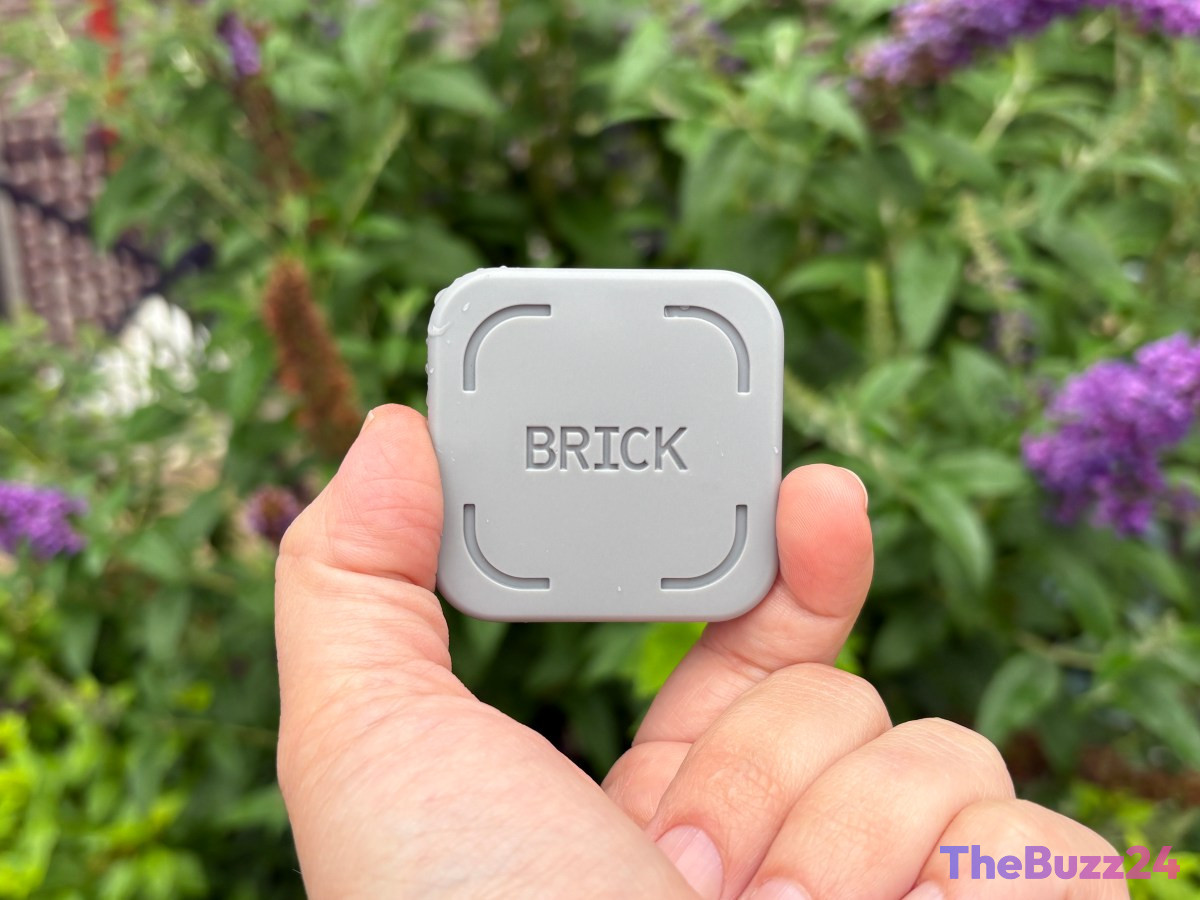
In an era dominated by smartphones, a simple, physical gadget called The Brick is emerging as a surprisingly effective solution for digital overload. This matchbox-sized device, priced at $59, has proven more successful than software-based screen time limits for many users, including its own creators, in curbing excessive phone usage and improving sleep patterns.
The Brick operates on a unique principle: it introduces physical friction into the process of accessing distracting apps. Unlike digital tools that can be easily dismissed, The Brick requires users to physically tap their smartphone against the NFC-enabled gadget to deactivate custom screen time restrictions. This simple, tangible action has been instrumental in helping individuals, like the product’s co-founder Zach Nasgowitz, overcome the impulse to mindlessly scroll.
Co-founder TJ Driver explains that software solutions are often too easy to bypass, whereas physical technology like The Brick creates a necessary separation. By forcing an intentional interaction to regain access to apps, the decision to reconnect becomes a conscious choice rather than an automatic reflex. The device comes with a limited number of “emergency unbricks” for critical situations, but most users find that designating essential apps like navigation or ride-sharing as accessible during restricted periods negates the need for these overrides.
The Brick offers a middle ground for those hesitant to switch to a “dumb phone” but seeking to regain control over their digital lives. It allows users to customize their phone’s functionality based on their needs, whether for sleep hygiene, focused work, or simply reducing digital dependency. This approach emphasizes reclaiming agency and intentionality in how technology serves individuals, rather than being dictated by it.
Key Takeaways
- The Brick is a physical gadget designed to combat smartphone addiction by introducing friction to app access.
- It uses NFC technology, requiring users to tap their phone against the device to disable screen time limits.
- The Brick offers a practical alternative to software-only solutions and drastic "dumb phone" switches for users seeking better digital well-being.
Editor’s Analysis & Impact
The emergence of The Brick highlights a growing trend of users actively seeking tangible solutions to manage their digital consumption. As reliance on smartphones deepens for everything from communication to commerce, the psychological toll of constant connectivity is becoming more apparent. The Brick’s success suggests a market ripe for “friction-based” technologies that encourage intentionality rather than relying solely on willpower. This could spur further innovation in hardware designed to mediate our relationship with personal technology, potentially impacting the design of future smart devices and the broader digital wellness industry.
Frequently Asked Questions
Q: How does The Brick work?
A: The Brick is an NFC-enabled gadget that pairs with your smartphone. You set screen time limits via an app, and to disable these limits, you must physically tap your phone to The Brick. This added step creates friction, discouraging impulsive app usage.
Q: What if I need urgent access to an app like Google Maps?
A: The Brick provides a small number of "emergency unbricks" for critical situations. Additionally, users can designate certain essential apps, like navigation or ride-sharing, to remain accessible during restricted periods without using an emergency unbrick.
Q: Is The Brick a replacement for a smartphone?
A: No, The Brick is not a replacement for a smartphone. It's a tool designed to help users manage their smartphone usage more intentionally, allowing them to retain smartphone functionality while reducing mindless scrolling and improving digital habits.
AI Disclosure: This article is based on verified data and official reports. Our Team and AI have cross-referenced every financial detail with primary sources to ensure total accuracy.
More from this Category