The Art of Collecting: Navigating the Market Without Losing Your Shirt
Entering the art market as a collector is often romanticized as a savvy financial move, yet industry experts warn that viewing art primarily as an investment vehicle is a common pitfall. Unlike the stock market, the art world is notoriously opaque, illiquid, and driven by insider information that can leave casual buyers at a significant disadvantage. While rare masterpieces occasionally fetch record-breaking prices, the vast majority of art does not offer the reliable, repeatable returns found in traditional financial assets. For those looking to start a collection, the most prudent approach is to prioritize personal passion and cultural engagement over speculative profit.
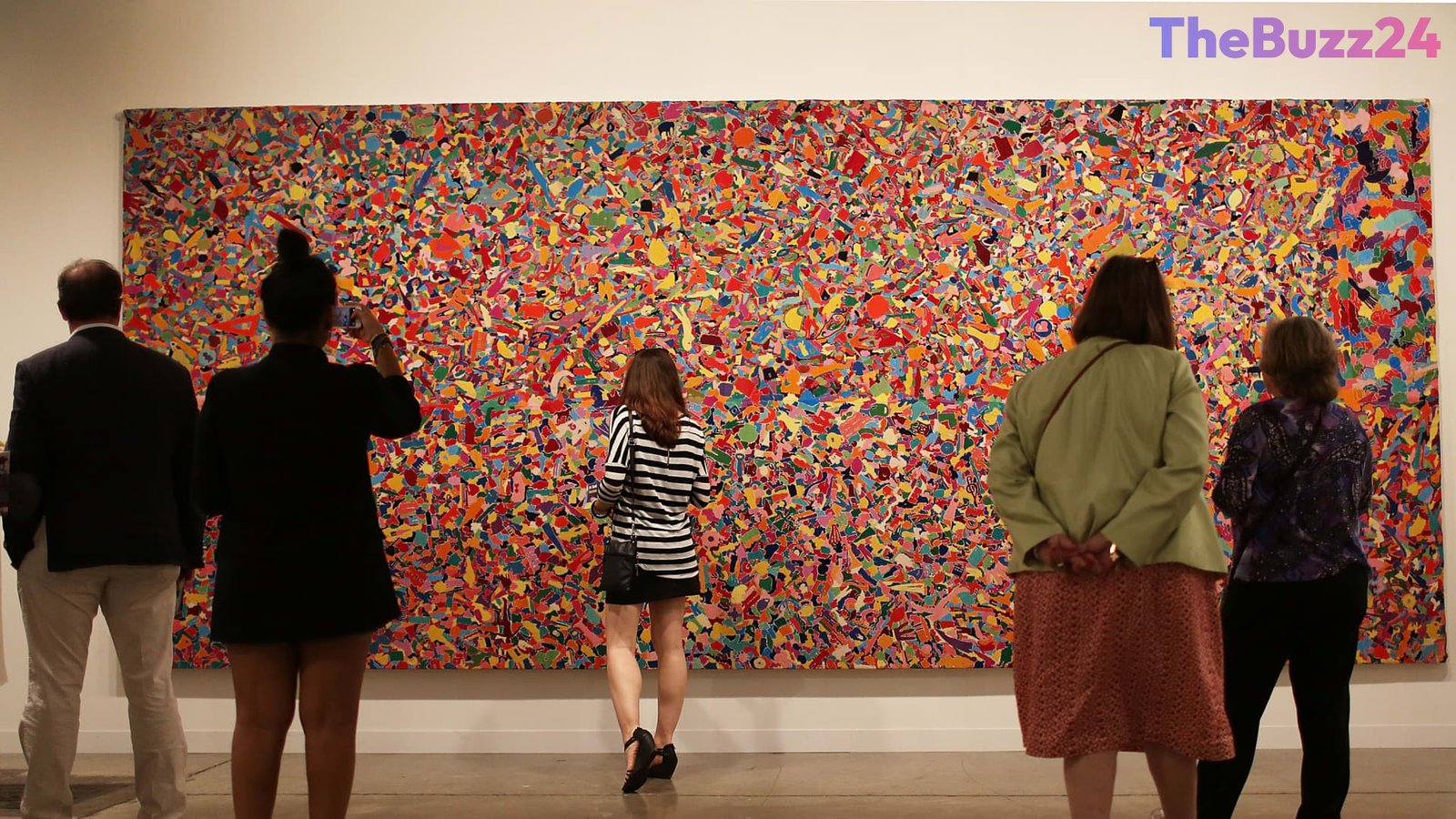
Building a collection requires a shift in mindset from ‘investor’ to ‘patron.’ Experts suggest that beginners should start by immersing themselves in the local art scene, visiting galleries, and attending fairs to develop a discerning eye. Understanding the hierarchy of the market is essential: the primary market, consisting of galleries, is where relationships are built and emerging artists are discovered, while the secondary market, dominated by auctions, is where established works are traded. Significant value appreciation often occurs when an artist moves from a smaller gallery to a more prestigious institution, a transition that is notoriously difficult to predict and often requires deep industry connections to anticipate.
For those with a specific budget—whether $5,000 or $100,000—the strategy should focus on research and quality rather than chasing hype. Prints and editions from blue-chip artists can offer a lower-cost entry point, while higher budgets allow for the acquisition of original works by artists with proven track records in museums and major galleries. Regardless of the price point, the consensus among professionals is clear: avoid impulsive purchases, conduct thorough due diligence on provenance, and steer clear of unverified online marketplaces. Ultimately, the greatest return on investment in art is often the intellectual and personal enrichment gained from supporting artists and participating in the cultural conversation.
As the market evolves, digital tools and AI are increasingly assisting collectors in discovering new talent and verifying authenticity. However, these technological aids should supplement, not replace, the traditional legwork of studio visits and face-to-face interactions. By focusing on pieces that resonate personally and accepting that the financial upside is secondary to the joy of ownership, new collectors can navigate the complex art world with realistic expectations and a collection they will be proud to live with for years to come.
Key Takeaways
- Art is generally a poor financial investment compared to traditional stocks, and collectors should prioritize personal enjoyment over potential resale value.
- The art market is highly opaque and relies heavily on insider information, making it difficult for outsiders to predict which artists will see significant price appreciation.
- Successful collecting requires deep research, including visiting galleries, understanding artist provenance, and avoiding the 'hype' cycle that often signals an overpriced market.
Editor’s Analysis & Impact
The art market currently sits at a fascinating intersection of traditional gatekeeping and digital disruption. While the market has historically been defined by its lack of transparency and reliance on ‘insider’ knowledge, the rise of AI-driven analytics and digital provenance tools is beginning to democratize access to information. However, the fundamental economic reality remains: art is a highly illiquid asset class with significant transaction costs—including insurance, storage, and buyer’s premiums—that erode potential gains. Future trends suggest a bifurcation in the market, where high-end ‘blue-chip’ works continue to serve as a store of value for the ultra-wealthy, while the entry-level market increasingly shifts toward digital-first discovery. For the average collector, the outlook remains one of ‘consumption over capital,’ where the value is derived from cultural participation rather than portfolio diversification.
Frequently Asked Questions
Q: Is art a good way to diversify my investment portfolio?
A: Generally, no. Most experts agree that art is an illiquid, high-risk asset that rarely outperforms traditional financial markets. It should be viewed as a lifestyle purchase rather than a reliable financial hedge.
Q: How can I tell if an artist is a good investment?
A: Look for an established track record, such as representation by reputable galleries, inclusion in museum exhibitions, and a history of sales at recognized auction houses. Avoid buying based on social media hype or trends.
AI Disclosure: This article is based on verified data and official reports. Our Team and AI have cross-referenced every financial detail with primary sources to ensure total accuracy.
More from this Category