The Battle for the Streets: Uber and Waymo Clash Over Robotaxi Regulation
A legislative battle is brewing in Washington, D.C., that could fundamentally reshape the future of autonomous vehicle (AV) deployment across the United States. At the heart of the conflict is a proposed bill aimed at updating the district’s autonomous vehicle laws to allow for widespread driverless testing and commercial operations. While the bill is intended to modernize local transportation, it has triggered a high-stakes lobbying war between two of the industry’s biggest players: Uber and Waymo.
Uber is actively opposing the current iteration of the bill, arguing that it risks creating a monopoly for dedicated robotaxi operators while displacing thousands of human drivers. Instead, the ride-hailing giant is pushing for a ‘hybrid’ regulatory framework. Under this model, autonomous vehicles would be required to operate within existing ride-hailing networks that also utilize human drivers. Uber contends that this approach ensures consumer choice, maintains labor stability, and prevents the congestion and service gaps that can occur when robotaxis operate in isolation.
Conversely, Waymo and other industry proponents argue that the proposed legislation is a necessary step toward safe, equitable, and efficient urban transit. They maintain that the bill provides a clear path for innovation without unfairly restricting the business models of AV developers. As the D.C. Council prepares for hearings on the matter, the outcome is expected to set a significant precedent. The debate highlights a growing divide in the tech sector: whether the future of urban mobility should be a standalone autonomous ecosystem or a integrated network where machines and humans work side-by-side.
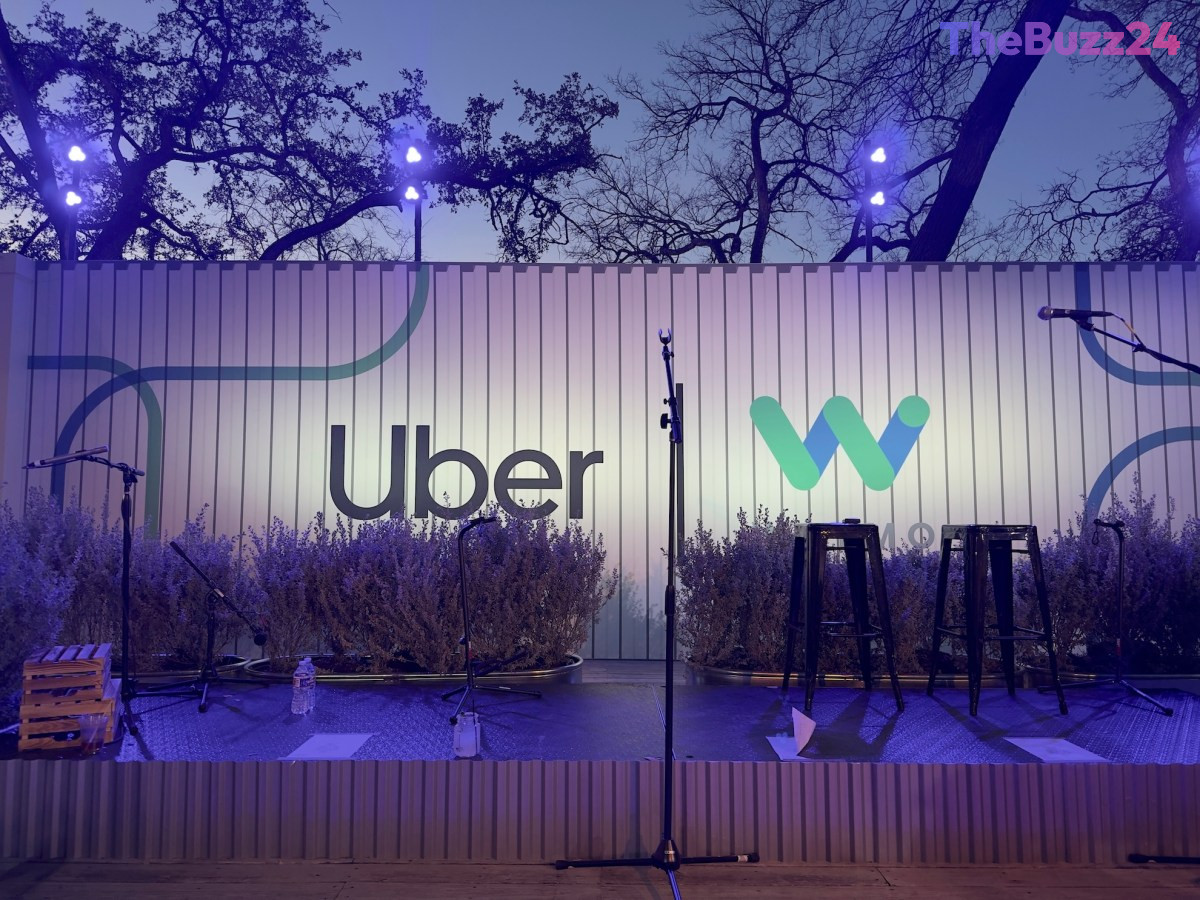
This legislative friction marks a significant shift in the relationship between the two companies, which have transitioned from courtroom adversaries to uneasy partners and back to competitors. With the potential for this policy debate to spread to other major cities, the resolution in Washington could dictate how robotaxi companies expand their footprints and how traditional ride-hailing platforms maintain their market dominance in an increasingly automated world.
Key Takeaways
- Uber is lobbying for a 'hybrid' model that forces robotaxis to operate within existing ride-hailing networks alongside human drivers.
- Waymo supports the proposed D.C. legislation, arguing it facilitates safe and equitable autonomous vehicle deployment without restrictive mandates.
- The legislative outcome in Washington, D.C. is expected to serve as a bellwether for how other cities will regulate the integration of autonomous vehicles into public transit systems.
Editor’s Analysis & Impact
The conflict between Uber and Waymo represents a pivotal moment in the maturity of the autonomous vehicle industry. Uber’s pivot toward a ‘hybrid’ model is a strategic maneuver to maintain its relevance and market power as the industry shifts toward automation. By framing its opposition as a defense of human labor and consumer choice, Uber is attempting to align itself with municipal regulators who are wary of the social costs of rapid automation. For Waymo, the goal is to minimize regulatory friction and maximize the efficiency of its proprietary fleet. The broader implication is that the ‘wild west’ era of AV testing is ending, replaced by a complex, localized regulatory landscape where tech giants must navigate labor unions, city infrastructure concerns, and intense competition to secure their place in the future of urban mobility.
Frequently Asked Questions
Q: Why does Uber oppose the current autonomous vehicle bill in Washington, D.C.?
A: Uber argues that the bill, as written, would create a monopoly for robotaxi operators and lead to the displacement of human drivers, preferring instead a hybrid system that integrates both human and autonomous drivers.
Q: What is the 'hybrid' model proposed by Uber?
A: The hybrid model is a regulatory framework where autonomous vehicles are required to operate on the same platforms as human-driven vehicles, allowing consumers to choose between the two and ensuring that human drivers remain a core part of the transportation network.
AI Disclosure: This article is based on verified data and official reports. Our Team and AI have cross-referenced every financial detail with primary sources to ensure total accuracy.
More from this Category