The Battle of Iran Strategies: Trump Touts Nuclear Victory as Obama Questions New Deal
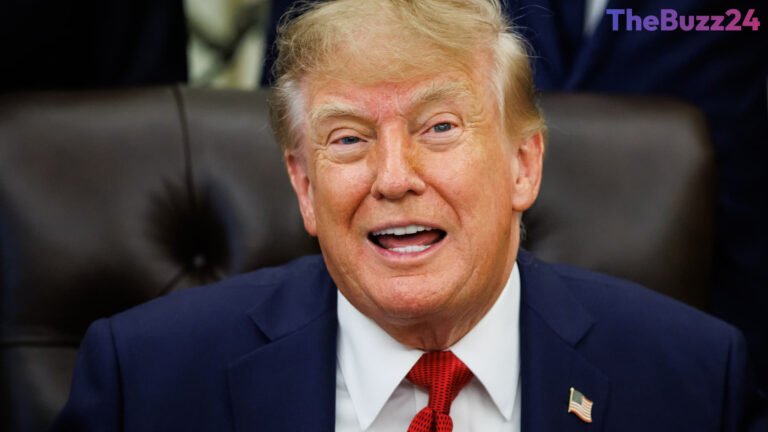
The debate over United States foreign policy toward Iran has reignited as President Donald Trump and Vice President JD Vance champion what they claim is a definitive resolution to Tehran’s nuclear ambitions. According to the administration, Iran’s nuclear program has been “comprehensively destroyed” under their watch, paving the way for a new peace framework. However, this narrative has met with sharp skepticism from former President Barack Obama, who argues that any newly proposed agreement is fundamentally similar to the Joint Comprehensive Plan of Action (JCPOA) his administration negotiated in 2015.
The contrasting strategies of the two administrations highlight a deep ideological divide in American diplomacy. While the Obama-era approach relied on multilateral negotiations and structured sanctions relief in exchange for verified enrichment limits, the Trump administration has favored a high-pressure campaign combined with unilateral demands. Despite the current administration’s claims of a breakthrough, critics point out that the regional security situation remains highly volatile.
This diplomatic sparring comes at a precarious time, as a fragile two-month ceasefire in the region was recently shattered by direct missile exchanges between Israel and Iran. The escalation has raised questions about the stability of any touted peace agreement and challenged President Trump’s campaign assertions that his policies would prevent new conflicts. As military tensions simmer, the international community remains watchful of whether these diplomatic maneuvers will yield lasting stability or further escalation in the Middle East.
Key Takeaways
- President Donald Trump and Vice President JD Vance claim Iran's nuclear program is "comprehensively destroyed" under a new peace initiative.
- Former President Barack Obama disputes the uniqueness of the new approach, suggesting any viable deal will closely resemble the 2015 JCPOA.
- Direct military engagements between Israel and Iran have resumed, threatening regional stability despite Washington's diplomatic claims.
Editor’s Analysis & Impact
The ongoing dispute over Iran policy underscores the persistent volatility of Middle Eastern geopolitics and its direct impact on global energy markets. While the Trump administration’s declaration of a “comprehensively destroyed” nuclear program aims to project strength and secure a major foreign policy win, the reality on the ground—marked by recent missile exchanges between Israel and Iran—suggests a highly unstable security environment. For global markets, particularly oil and shipping through the critical Strait of Hormuz, this uncertainty translates to continued risk premiums. If the administration fails to transition its high-pressure tactics into a verifiable, internationally backed treaty, the risk of localized conflicts escalating into broader regional warfare remains high. Investors and international allies will likely remain cautious, viewing unilateral declarations of peace with skepticism until concrete, verifiable diplomatic frameworks are established.
Frequently Asked Questions
Q: What is the main difference between Trump's and Obama's approaches to Iran?
A: Obama's approach focused on a multilateral diplomatic agreement (the JCPOA) that offered sanctions relief in exchange for monitored limits on Iran's nuclear capabilities. Trump's approach has relied on maximum pressure, unilateral sanctions, and demanding a complete dismantling of Iran's nuclear infrastructure.
Q: Has the conflict between Israel and Iran ended?
A: No. Despite diplomatic claims of progress, Israel and Iran recently engaged in direct missile strikes, breaking a fragile two-month ceasefire and highlighting ongoing regional instability.
Q: Why is the Strait of Hormuz significant in this context?
A: The Strait of Hormuz is a vital global maritime choke point through which a significant portion of the world's oil passes. Any escalation in tensions between the US, Israel, and Iran poses a direct threat to shipping security in this channel.
AI Disclosure: This article is based on verified data and official reports. Our Team and AI have cross-referenced every financial detail with primary sources to ensure total accuracy.
More from this Category