NASA’s Deep Space Network Re-establishes Historic Human Link to Lunar Orbit
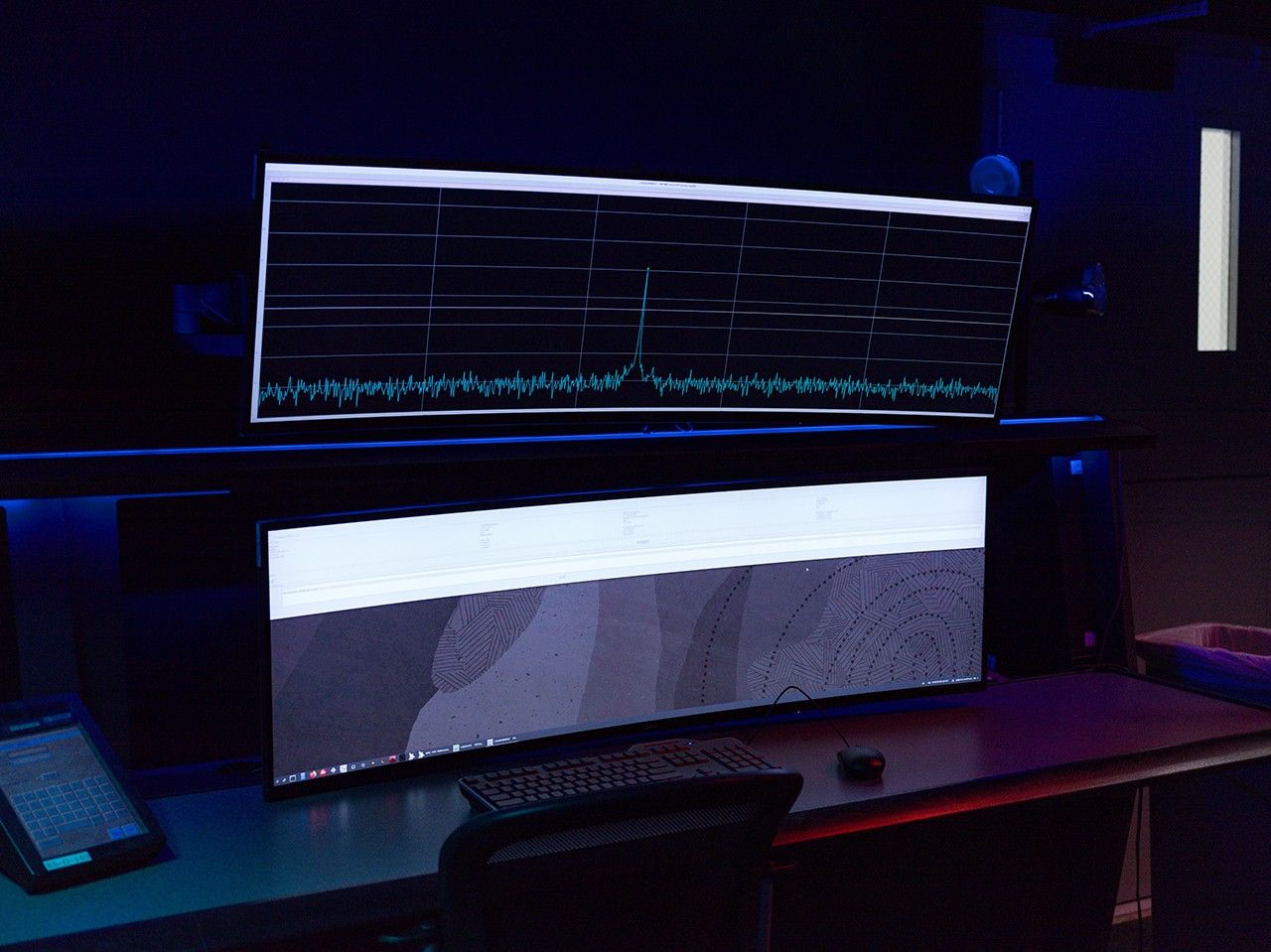
NASA has achieved a significant operational milestone by successfully locking onto the radio frequency signal of the Artemis II crewed lunar mission. This connection represents a historic achievement in space exploration, marking the first time in over 50 years that the Deep Space Network (DSN) has maintained a direct, sustained communication link with a crewed vessel operating deep beyond Earth’s orbit.
The transition of communication responsibilities occurred shortly after the mission’s launch on April 1, 2026. While the Near Space Network managed the initial telemetry for the Orion capsule during the early stages of flight, the DSN successfully acquired the signal as the craft moved further into space. Mission controllers at the Jet Propulsion Laboratory in Southern California have since confirmed the spacecraft’s status through continuous, high-precision data monitoring.
As a critical piece of global infrastructure, the DSN relies on three strategic antenna complexes located in Goldstone, California; Madrid, Spain; and Canberra, Australia. These facilities are specifically engineered to track, command, and receive complex scientific data from both robotic and crewed explorers throughout the solar system. Managed by the Jet Propulsion Laboratory, the network serves as the primary lifeline for the Artemis II crew, ensuring constant contact with mission control throughout their journey to the Moon and back.
Key Takeaways
- The Deep Space Network has successfully established a vital communication link with the Artemis II crewed mission.
- This mission marks the first time in over five decades that the DSN has supported a crewed spacecraft in deep space.
- The network utilizes a global array of antennas in California, Spain, and Australia to ensure constant contact with the Orion capsule.
Editor’s Analysis & Impact
The successful signal acquisition by the Deep Space Network is a critical validation of the infrastructure required for the next era of lunar and interplanetary exploration. As NASA shifts from low-Earth orbit operations to deep space missions, the reliability of the DSN becomes the single point of failure for mission safety and data integrity. The ability to maintain high-fidelity communication with the Artemis II crew demonstrates that the agency’s ground-based assets are prepared for the complexities of long-duration human spaceflight. Looking ahead, this capability is essential not only for the success of the Artemis program but also for future crewed missions to Mars, where signal latency and network robustness will be tested even further. The integration of these global antenna complexes remains a cornerstone of international space cooperation and technological dominance in the aerospace sector.
Frequently Asked Questions
Q: What is the role of the Deep Space Network in the Artemis II mission?
A: The Deep Space Network serves as the primary communication lifeline, allowing mission control to track, command, and receive telemetry and scientific data from the Orion capsule as it travels to the Moon.
Q: Where are the Deep Space Network antenna complexes located?
A: The network consists of three main complexes located in Goldstone, California; Madrid, Spain; and Canberra, Australia, which provide global coverage as the Earth rotates.
AI Disclosure: This article is based on verified data and official reports. Our Team and AI have cross-referenced every financial detail with primary sources to ensure total accuracy.
More from this Category