NASA Deep Space Network Solidifies Critical Communication Link for Artemis II
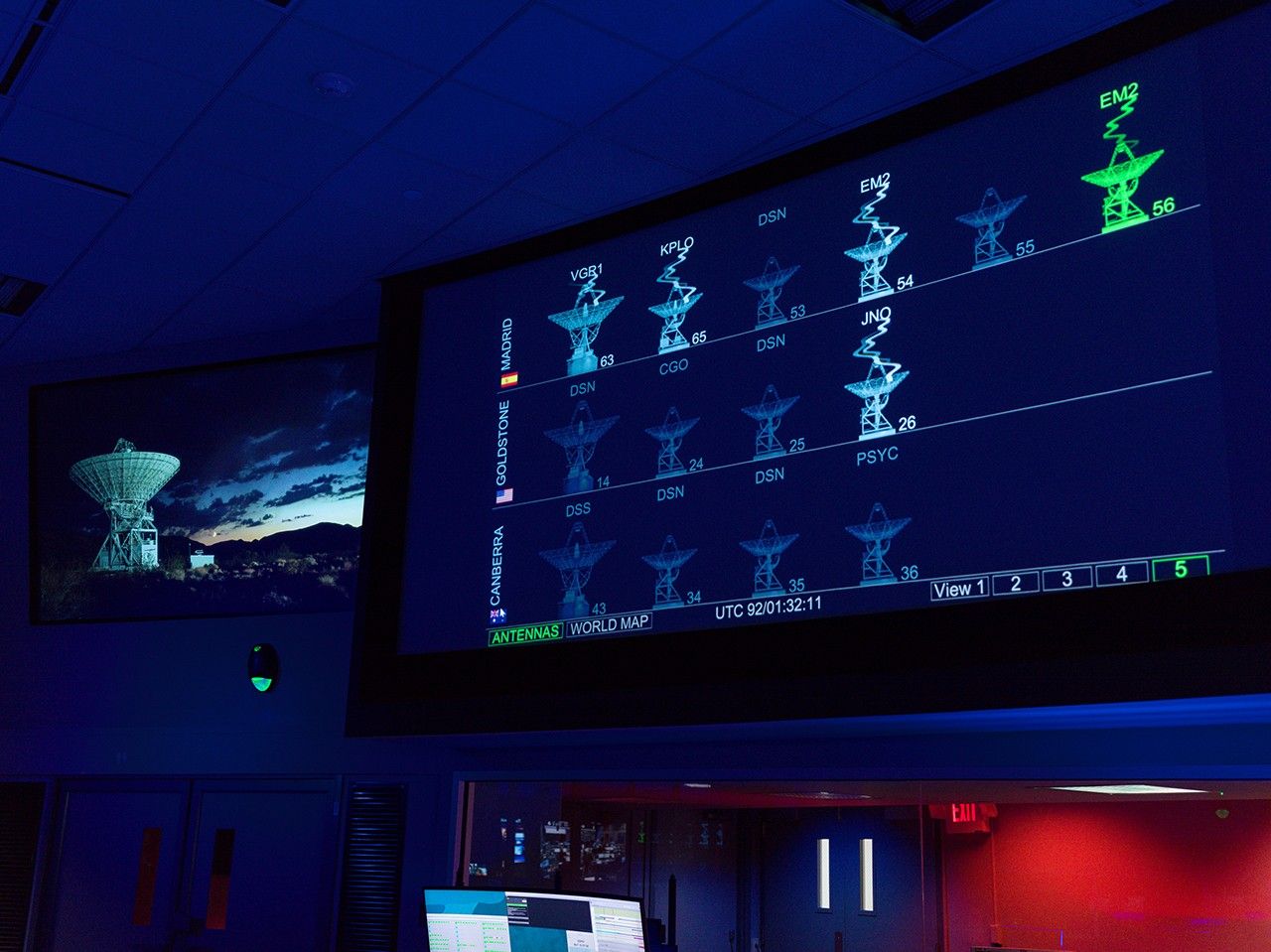
NASA has successfully verified a robust communication link with the Artemis II spacecraft, a major milestone for the ongoing lunar exploration program. The connection was confirmed at the Space Flight Operations Facility in Southern California, ensuring that the mission remains fully supported by the agency’s extensive global infrastructure. Currently, antennas situated at the Madrid Deep Space Communications Complex are maintaining active, consistent contact as the spacecraft continues its journey toward the Moon.
The Deep Space Network (DSN) serves as the essential lifeline for interplanetary travel, utilizing a sophisticated array of high-sensitivity radio frequency antennas. To ensure that Earth maintains an uninterrupted connection with assets across the solar system, these facilities are strategically positioned in Goldstone, California; Madrid, Spain; and Canberra, Australia. This global distribution provides the 24/7 coverage necessary to track flight paths, transmit critical commands, and receive complex telemetry data from deep space.
Operated by the Jet Propulsion Laboratory, the DSN acts as the backbone of the Artemis II mission. As the crewed vessel travels deeper into the lunar environment, the network functions as an indispensable bridge for real-time data exchange. This constant flow of information is vital for mission controllers to monitor the health of the spacecraft and guarantee the safety of the crew throughout their lunar transit. Observers can monitor these ongoing interactions via the DSN Now platform, which provides real-time updates on the network’s support for active space missions.
Key Takeaways
- NASA has established a stable, high-sensitivity communication link with the Artemis II spacecraft via the Deep Space Network.
- The DSN utilizes a global array of antennas in California, Spain, and Australia to provide 24/7 coverage for deep space missions.
- Real-time data exchange through the DSN is essential for monitoring spacecraft health and ensuring the safety of the Artemis II crew.
Editor’s Analysis & Impact
The successful establishment of communication with Artemis II highlights the indispensable role of ground-based infrastructure in the modern era of space exploration. As NASA and its partners aim for long-term lunar habitation, the reliability of the Deep Space Network has become a strategic necessity. The ability to maintain high-bandwidth, low-latency communication across vast distances is a fundamental prerequisite for human safety and mission success. Looking ahead, the DSN will likely require significant technological upgrades to manage the increasing data demands of future Mars missions and expanded lunar operations. This milestone reinforces the critical nature of maintaining a global network of ground stations; any failure in this chain would effectively blind mission control, underscoring the vulnerability and absolute necessity of our current space-faring infrastructure.
Frequently Asked Questions
Q: What is the primary function of the Deep Space Network during the Artemis II mission?
A: The Deep Space Network serves as the primary communication bridge between the Artemis II spacecraft and Earth, enabling mission controllers to track the vehicle, transmit commands, and receive vital telemetry and scientific data.
Q: Where are the primary antenna complexes for the Deep Space Network located?
A: The network consists of three main complexes strategically located in Goldstone, California; Madrid, Spain; and Canberra, Australia, to ensure continuous, 24/7 coverage of deep space missions.
AI Disclosure: This article is based on verified data and official reports. Our Team and AI have cross-referenced every financial detail with primary sources to ensure total accuracy.
More from this Category