The Digital Detox: Why Users Are Trading Smartphones for ‘Dumb’ Alternatives
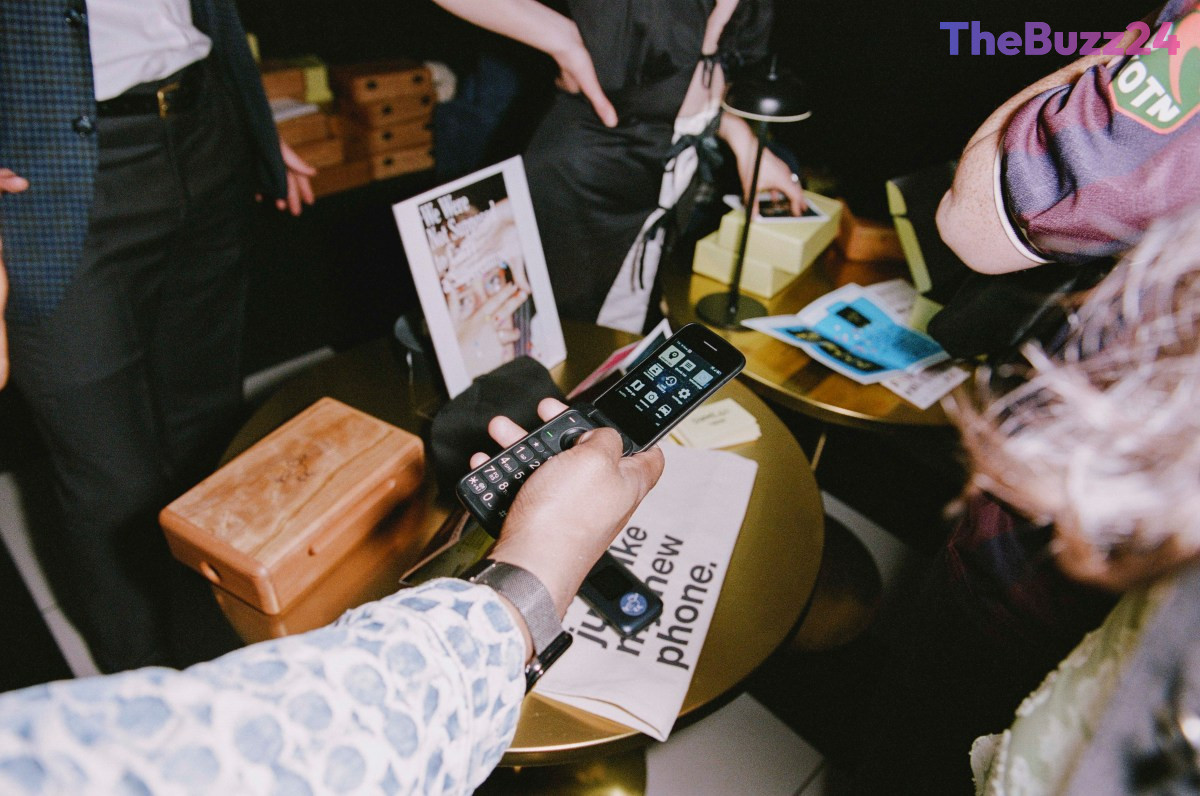
A growing movement is challenging the dominance of the modern smartphone, with a new company called Dumb Co leading the charge. Born out of a community challenge known as ‘Month Offline,’ the startup offers a unique solution for those feeling overwhelmed by constant connectivity: a modified flip phone that bridges the gap between total disconnection and the necessity of modern digital tools. By loading custom software onto affordable hardware, the company allows users to retain access to essential services like Spotify, WhatsApp, and Uber while stripping away the addictive, infinite-scroll nature of traditional smartphones.
For many, the transition to a ‘dumb phone’ is not about abandoning technology entirely, but about reclaiming mental space and reducing anxiety. The devices are designed to sync with a user’s primary smartphone, allowing for call and text forwarding that can be toggled off when a user wants to be truly present. This approach appeals to a generation that grew up with constant digital stimulation and is now seeking ways to mitigate the ‘yucky’ feeling of excessive screen time. The physical act of using a device that requires more deliberate interaction, such as T9 texting, serves as a friction point that discourages mindless usage.
While the prospect of leaving a smartphone at home can be daunting, early adopters report a surprising sense of liberation. By removing the temptation of social media and constant notifications, users find themselves more engaged with their physical surroundings and the people around them. The shift is not necessarily about a permanent, total abandonment of modern tech, but rather about creating a healthier, more intentional relationship with it. As more people experiment with these devices, the trend highlights a broader cultural fatigue with the frictionless, always-on lifestyle that has defined the last decade of personal technology.
Key Takeaways
- Dumb Co provides modified flip phones that offer essential apps like maps and music while removing addictive social media features.
- The devices are designed to be used alongside a primary smartphone, allowing users to disconnect intentionally without losing access to critical tools.
- Users report that the 'friction' of using a simpler device leads to reduced anxiety and increased presence in social situations.
Editor’s Analysis & Impact
The rise of ‘dumb phones’ represents a significant counter-cultural shift in the consumer electronics market. As smartphone fatigue grows, we are seeing a niche but expanding demand for ‘digital minimalism.’ This trend mirrors the broader wellness movement, where consumers are increasingly prioritizing mental health over technological convenience. From an industry perspective, this suggests that the next phase of mobile innovation may not be about adding more features, but about providing better ‘off-ramps’ for users. While it is unlikely that the average consumer will abandon their smartphone entirely, the market for secondary, distraction-free devices is poised for growth. Companies that can successfully balance essential utility with intentional limitations will likely find a loyal, albeit specialized, customer base looking to regain control over their attention spans.
Frequently Asked Questions
Q: Can I still use essential apps like Uber or Spotify on a Dumb Co phone?
A: Yes, the company loads custom software onto their flip phones that allows access to specific, essential applications like WhatsApp, Spotify, and Uber.
Q: Do I have to get rid of my iPhone to use a Dumb Co phone?
A: No, the devices are designed to sync with your existing smartphone. You can use the flip phone as your primary device while leaving your smartphone at home, and then switch back when you need the full functionality of your iPhone.
AI Disclosure: This article is based on verified data and official reports. Our Team and AI have cross-referenced every financial detail with primary sources to ensure total accuracy.
More from this Category