The Enigmatic Chef Who Introduced Curry to America, Then Vanished
Over a century ago, in 1901, an Indian chef named Ranji Smile established what is widely believed to be the United States’ inaugural Indian restaurant. Smile was a captivating and mysterious figure who left an indelible mark on the American culinary landscape. Arriving in New York in the summer of 1899 after sailing from London, his true origins and early life remain largely unknown. The name “Ranji” may have been a tribute to the celebrated Indian cricketer K.S. Ranjitsinhji, while “Smile” could be an anglicized version of “Ismail.”
Upon his arrival in America, Smile adopted the name Joe, embracing the nation’s promise of reinvention. He began his culinary career in New York at Sherry’s Restaurant, a prestigious establishment on Fifth Avenue, where he had previously worked as a curry cook in London’s Cecil and Savoy hotels. His talent was recognized by Sherry’s owner, Louis Sherry, who invited him to bring his expertise to the United States. At the time, New York was experiencing a growing curiosity about India, fueled by figures like Swami Vivekananda and an increasing number of Indian sailors, students, and professionals settling in the city. This burgeoning interest likely prompted Sherry to hire a curry chef.
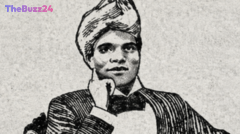
Smile quickly became a sensation at Sherry’s, a high-end establishment known for its extravagant dining experiences. Dressed in a distinctive satin coat and blue silk turban, he charmed patrons with his culinary skills and showmanship, famously asking, “Will you have the curry hot or mild, sahib?” His preparations, including “Bombay duck” and innovative dishes like “Lettuce Ceylon,” garnered significant attention, with newspapers proclaiming, “New York women go wild over him.”
In 1901, Smile ventured out on his own, securing financial backing from Roland R. Conklin, an inventor and financier, to open “Omar Khayyam,” an exclusive Indian restaurant located on Fifth Avenue. The establishment was decorated with Indian artifacts and staffed by Indian waiters and musicians, aiming to be a grand showcase of Indian culture and cuisine. However, despite the initial fanfare, the restaurant struggled to attract consistent patronage and closed within a year, with some reports suggesting the public had grown tired of Indian food, deeming it a fleeting trend.
As his restaurant venture faltered, Smile’s public persona began to unravel. He started fabricating a royal lineage, claiming to be the son of the emir of Baluchistan, and allegedly trafficked staff from India under false pretenses to work at his restaurant, leading to legal troubles and the risk of deportation. He also developed a reputation for making outlandish claims, such as Indian food being a secret to female beauty, using his wives as purported evidence. Despite brushes with the law and a life marked by reinvention and deception, Smile eventually faded from the public eye, reportedly abandoning cooking by the 1920s to become a merchant. The last known record of him is from 1937, when his wife sought an annulment of their marriage, marking his final act of disappearing.
Although “Omar Khayyam” was short-lived, Ranji Smile’s efforts, alongside those of other immigrants like K.Y. Kira who later opened the successful Ceylon India Inn, laid the groundwork for the widespread popularity of Indian cuisine in America. Smile’s legacy endures in the thousands of Indian restaurants that now thrive across the United States.
Key Takeaways
- Ranji Smile is credited with opening what was likely the first Indian restaurant in the United States in 1901.
- Despite initial fame and showmanship, Smile's restaurant "Omar Khayyam" failed within a year due to lack of patronage and public perception of Indian food as a fad.
- Smile's life was marked by reinvention, fabricated identities, and legal troubles, but his pioneering efforts contributed to the eventual popularization of Indian cuisine in America.
Editor’s Analysis & Impact
Ranji Smile’s story is a fascinating microcosm of the immigrant experience in early 20th century America, blending culinary innovation with personal ambition and deception. His attempt to introduce Indian cuisine faced significant cultural and market hurdles, highlighting the challenges faced by early ethnic restaurateurs. While his own venture failed, Smile’s pioneering spirit, coupled with the later success of figures like K.Y. Kira, undeniably paved the way for the rich tapestry of Indian restaurants that are now a staple of the American food scene. This narrative underscores how individual efforts, even those with complex legacies, can contribute to broader cultural shifts and economic diversification.
Frequently Asked Questions
Q: Who was Ranji Smile?
A: Ranji Smile was an Indian chef who is believed to have opened the first Indian restaurant in the United States in 1901. He was known for his showmanship and for introducing curry to American diners.
Q: Why did Ranji Smile's restaurant, Omar Khayyam, fail?
A: Omar Khayyam reportedly failed within a year due to a lack of consistent patronage. Some contemporary reports suggested that the American public had grown tired of Indian food, viewing it as a passing fad.
Q: What is Ranji Smile's legacy?
A: Despite the failure of his own restaurant and a life marked by controversy and disappearance, Ranji Smile is remembered as a pioneer who introduced Indian cuisine to America. His efforts, along with those of other early Indian restaurateurs, contributed to the eventual widespread popularity of Indian food in the United States.
AI Disclosure: This article is based on verified data and official reports. Our Team and AI have cross-referenced every financial detail with primary sources to ensure total accuracy.
More from this Category