The EV Charging Experience: Why Long-Distance Road Trips Are Finally Stress-Free
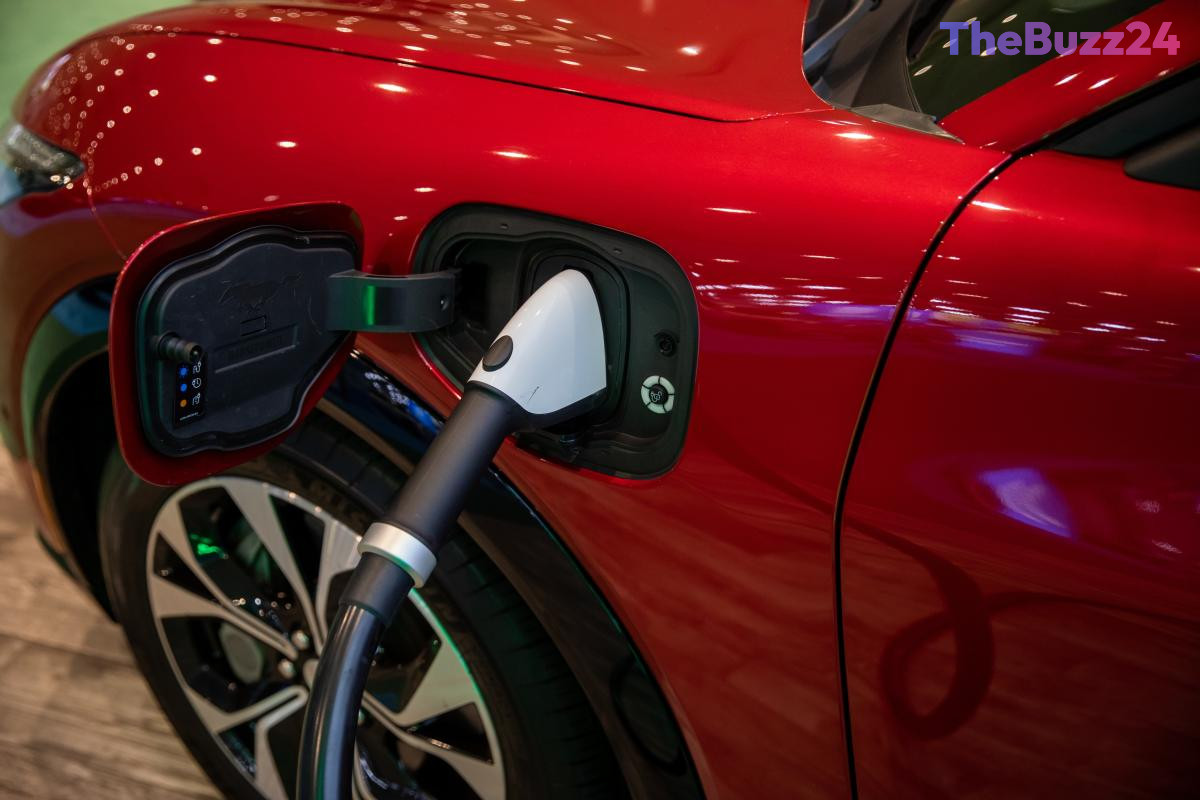
For years, the primary barrier to widespread electric vehicle (EV) adoption has been ‘range anxiety’ and the perceived unreliability of public charging infrastructure. Prospective buyers have long cited the difficulty of finding functional, fast-charging stations as a major deterrent. However, recent real-world data and personal travel experiences suggest that the landscape of EV travel has undergone a significant transformation, moving from a frustrating ordeal to a seamless, reliable experience.
Recent long-distance travel, such as a 600-mile journey to Montreal, highlights how far the technology and infrastructure have come. Utilizing advanced route-planning applications like A Better Route Planner (ABRP), drivers can now optimize stops based on real-time vehicle data, weather conditions, and battery health. Modern charging hubs, such as those operated by Rivian, now frequently feature high-speed 300-kilowatt chargers that function consistently, often eliminating the need for long wait times or complex app-based authentication processes.
This shift is backed by hard data. Since 2023, the number of DC fast chargers in the United States has more than doubled, bolstered significantly by the opening of Tesla’s expansive Supercharger network to non-Tesla vehicles. Reliability metrics have also seen a marked improvement, with industry indices showing success rates climbing into the mid-90th percentile. While isolated issues with payment systems or hardware maintenance still occur, the frequency of these failures has dropped dramatically compared to just a few years ago.
As competition between charging networks intensifies, the quality of the user experience has become a primary focus for providers. With more chargers being deployed monthly and existing infrastructure receiving better maintenance, the gap between the convenience of traditional gas stations and EV charging is closing rapidly. For those who have been hesitant to make the switch to electric, the current state of the charging network suggests that the era of ‘charging anxiety’ is effectively coming to an end.
Key Takeaways
- Public EV charging reliability has improved significantly, with success rates now reaching the mid-90th percentile.
- The total number of DC fast chargers in the U.S. has more than doubled since 2023, largely due to network expansion and the opening of Tesla's infrastructure.
- Advanced route-planning software and increased competition among charging providers have made long-distance EV travel comparable to traditional vehicle road trips.
Editor’s Analysis & Impact
The rapid maturation of the EV charging ecosystem represents a critical inflection point for the automotive industry. By addressing the ‘reliability gap,’ providers are removing the final major psychological hurdle for mass-market EV adoption. The integration of Tesla’s network with other manufacturers is a game-changer, creating a unified standard that forces third-party networks to improve their uptime and user interface to remain competitive. Looking ahead, we expect to see a consolidation of charging standards and a shift toward ‘plug-and-charge’ technology, which will further simplify the user experience. As infrastructure density increases, the focus will likely shift from merely finding a charger to the quality of the ‘charging stop’ experience, including retail and dining integration, which will create new revenue streams for energy providers and commercial real estate owners alike.
Frequently Asked Questions
Q: Is it still difficult to find reliable EV chargers on long road trips?
A: No, the situation has improved drastically. With the doubling of DC fast chargers and the integration of Tesla's network, reliability is now consistently high, and most major routes are well-supported.
Q: Do I need to download multiple apps to charge my EV?
A: While some stations still require specific apps, many modern chargers now accept standard credit card payments, and the industry is moving toward more universal, simplified payment systems.
AI Disclosure: This article is based on verified data and official reports. Our Team and AI have cross-referenced every financial detail with primary sources to ensure total accuracy.
More from this Category