World Cup Unites U.S. Viewers Across Political Divides, Despite Prominent Political Involvement
A recent national survey reveals that the World Cup successfully transcended America’s often-polarized political landscape, drawing a remarkably bipartisan audience despite former President Donald Trump’s significant and at times controversial involvement. Nearly half of all registered voters tuned into at least some of the tournament, with viewership figures showing minimal differences between Democrats (51%), Republicans (47%), and Independents (47%). This narrow partisan gap stands in stark contrast to the wider political divides observed in preferences for other major sports like football and basketball.
The survey indicated that political alignment, including support for specific candidates like Donald Trump or Kamala Harris, had little bearing on whether individuals watched the global soccer spectacle. For instance, 51% of voters who backed Kamala Harris in 2024 watched, compared to 47% of Trump voters. This suggests the tournament managed to largely sidestep the partisan sorting that has become increasingly common across various aspects of U.S. culture. Even among “MAGA Republicans,” half reported watching the matches, demonstrating the event’s broad appeal.
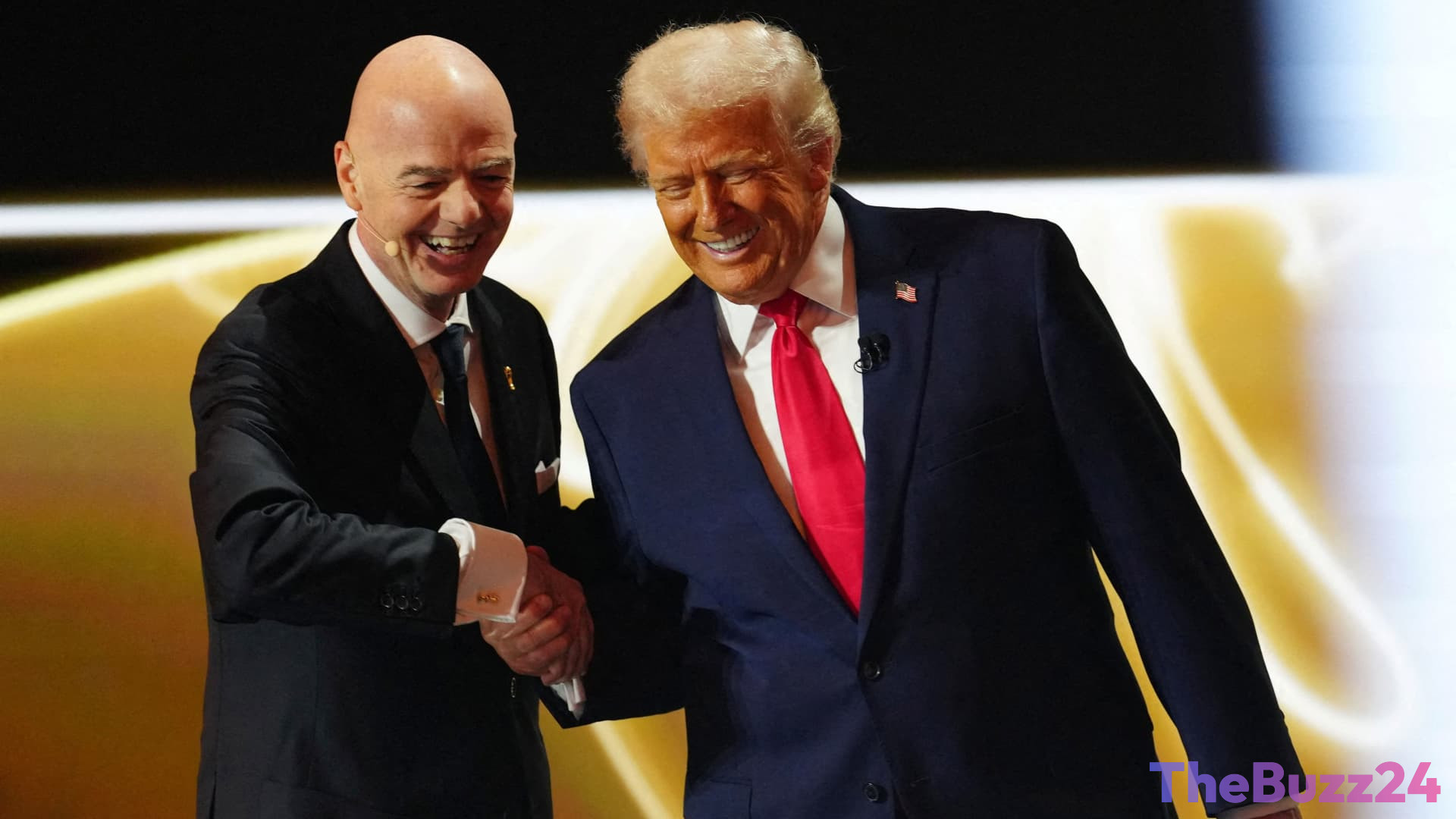
Donald Trump’s engagement with the World Cup was extensive, ranging from chairing a White House task force overseeing the event to frequent appearances with FIFA President Gianni Infantino, including the opening of FIFA offices in Trump Tower. He also participated in trophy presentations and, notably, intervened in a disciplinary matter concerning U.S. striker Folarin Balogun, leading to a controversial reversal of a red card suspension by FIFA. This intervention, which UEFA deemed “unprecedented,” sparked an ethics complaint against Infantino for potentially violating FIFA’s political neutrality rules. Despite these high-profile political entanglements and controversies, the tournament’s viewership remained robust and broadly appealing across the political spectrum.
Interestingly, while political affiliation proved to be a minor factor, economic and educational backgrounds showed a much stronger correlation with World Cup viewership. The survey found that 59% of voters earning at least $100,000 watched, compared to just 31% of those earning less than $30,000. Similarly, viewership reached 65% among voters with postgraduate degrees but dropped to 40% for those with a high school education or less. These disparities likely reflect differences in access to paid television services, where many of the matches were broadcast. The survey, conducted by leading polling firms, gathered responses from 1,000 registered voters nationwide.
Key Takeaways
- World Cup viewership in the U.S. was notably bipartisan, with minimal differences across political affiliations despite high-profile political involvement.
- Economic status and educational attainment were more significant predictors of viewership than political leanings, likely due to access to broadcast services.
- Former President Donald Trump's extensive and controversial involvement, including interventions in FIFA decisions, did not deter the tournament's broad appeal across the political spectrum.
Editor’s Analysis & Impact
This news highlights the unique power of major global sporting events like the World Cup to serve as a unifying cultural force, even in an era of deep political polarization. For media companies and advertisers, this suggests that investing in such events can offer a rare platform to reach a broad, diverse audience without being significantly impacted by partisan divides. The findings also underscore a potential market opportunity for making premium sports content more accessible across all socioeconomic strata, as income and education proved to be stronger determinants of viewership than political affiliation. This could lead to new distribution models or partnerships aimed at broadening access, ensuring that the unifying potential of sports is fully realized.
Frequently Asked Questions
Q: Did political affiliation impact World Cup viewership in the U.S.?
A: No, a recent national survey found that World Cup viewership was largely bipartisan, with very similar rates among Democrats, Republicans, and Independents.
Q: What factors were more influential than politics in determining World Cup viewership?
A: Economic status and educational attainment were more significant factors. Viewership was considerably higher among higher-income and more educated demographics, likely reflecting differences in access to paid television broadcasts.
Q: How was former President Donald Trump involved with the World Cup, and did it affect viewership?
A: Donald Trump was prominently involved, chairing a White House task force, appearing with FIFA officials, and even intervening in a player's suspension. Despite his controversial involvement, the survey indicated it did not deter the tournament's broad appeal across political lines.
AI Disclosure: This article is based on verified data and official reports. Our Team and AI have cross-referenced every financial detail with primary sources to ensure total accuracy.
More from this Category