Revolutionizing Pet Care: GLP-1 Weight-Loss Drugs Enter Veterinary Trials for Overweight Cats
The burgeoning field of pet medicine is witnessing a significant development as two U.S. biotech companies embark on testing experimental GLP-1 weight-loss treatments for overweight cats. This initiative marks one of the earliest attempts to introduce the blockbuster drug class, widely known for its impact on human obesity and diabetes, into the realm of animal health.
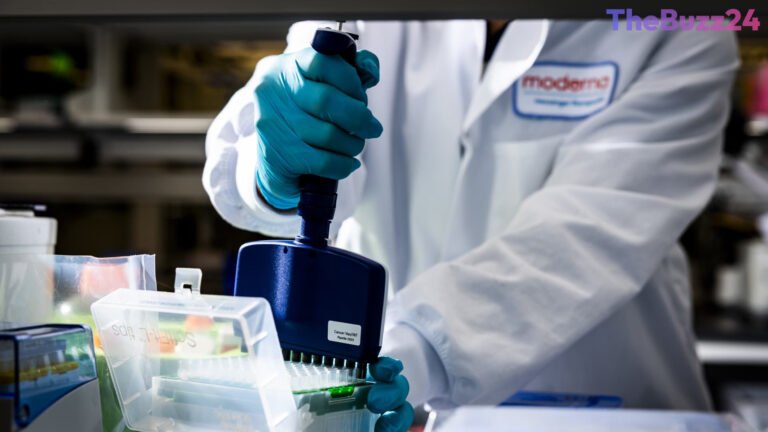
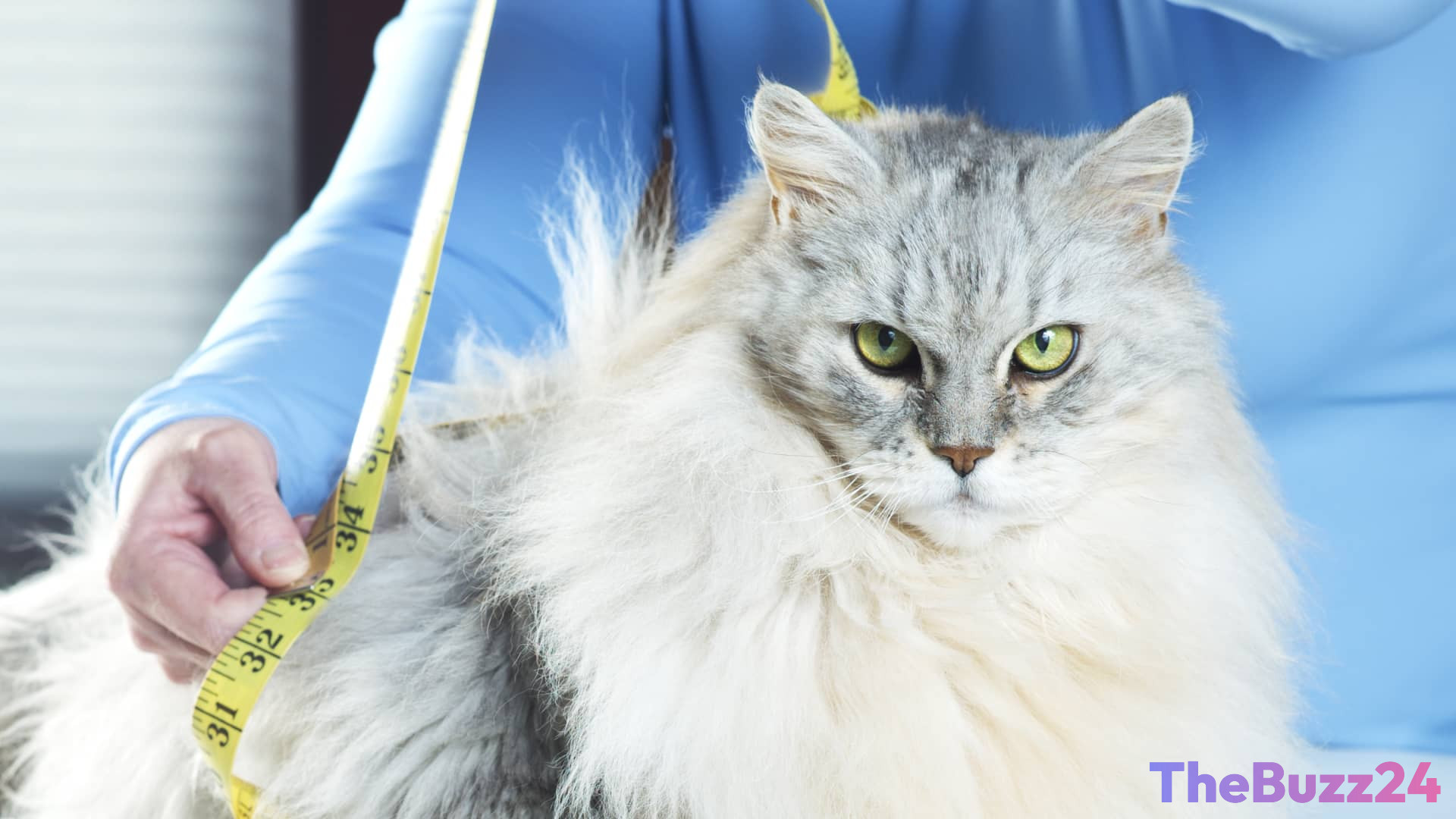
Akston Biosciences is sponsoring a clinical study at Cornell University, evaluating a once-weekly GLP-1 therapy for overweight and obese felines. Concurrently, San Francisco-based OKAVA Pharmaceuticals has commenced trials for a long-acting implant designed to continuously deliver the medication for up to six months in a study dubbed “MEOW-1.” While these products are still in early-stage clinical trials and are not yet approved for commercial use, they represent a proactive approach to addressing a widespread issue: an estimated 61% of cats and 59% of dogs in the U.S. were classified as overweight or obese in 2022.
This move aligns with a broader transformation in the $200 billion U.S. pet economy, shifting from mere premiumization to a more comprehensive “medicalization” of pet care. Feline obesity, in particular, poses a unique challenge for veterinarians, as cats often resist dietary changes and consistent medication, making long-acting GLP-1 therapies potentially attractive. Industry analysts suggest that while these drugs may not replicate the explosive commercial success seen in human markets due to affordability concerns, they will likely become a crucial tool within an expanding healthcare ecosystem that includes specialized diets, diagnostics, and veterinary services.
Beyond pharmaceutical interventions, major players in the pet food industry, such as Nestlé, are also heavily investing in nutrition and longevity products. Their strategies focus on “Personalized Health,” targeting digestive health, healthy aging, and extending the healthy lifespan of pets. This convergence of biotech innovation and advanced nutritional science underscores a growing trend where businesses from diverse sectors are collaborating to meet the increasing demand from pet owners for sophisticated health solutions for their beloved companions.
Key Takeaways
- U.S. biotech companies are initiating clinical trials for GLP-1 weight-loss treatments for overweight cats, marking a significant expansion of this drug class into veterinary medicine.
- These experimental therapies, including a once-weekly injection and a long-acting implant, aim to address the widespread issue of pet obesity, particularly challenging in felines.
- The development reflects a broader "medicalization" trend in the $200 billion U.S. pet economy, where biotech innovations converge with traditional pet nutrition and veterinary services, though affordability remains a key factor for widespread adoption.
Editor’s Analysis & Impact
The introduction of GLP-1 drugs into veterinary medicine signals a transformative phase for the pet care industry. This development opens a new, potentially lucrative segment for biotech firms, challenging traditional pet food companies to innovate further in therapeutic nutrition. The market is poised for significant growth driven by owners’ increasing willingness to invest in their pets’ health and longevity, pushing the industry beyond basic sustenance to advanced medical interventions.
Looking ahead, while the initial adoption of pet GLP-1s might be constrained by cost, their eventual success could establish a new standard of care for pet obesity. This trend will likely foster greater collaboration between pharmaceutical companies, veterinary clinics, and pet food manufacturers, creating a more integrated pet health ecosystem. Broader implications include ethical considerations regarding access and the potential for these drugs to significantly extend the healthy lifespan of companion animals, further humanizing the pet-owner relationship.
Frequently Asked Questions
Q: What are GLP-1 drugs and how do they work for pets?
A: GLP-1 (Glucagon-Like Peptide-1) receptor agonists are a class of drugs that help regulate appetite and blood sugar. For pets, these experimental treatments aim to reduce food intake and promote weight loss, similar to their effects in humans by mimicking natural hormones that signal fullness.
Q: Are GLP-1 weight-loss drugs currently available for pets?
A: No, there are currently no GLP-1 weight-loss drugs approved or commercially available for pets. The treatments mentioned are in early-stage clinical trials and require extensive testing for safety and efficacy before they could potentially reach the market.
Q: How widespread is pet obesity in the U.S.?
A: According to veterinary professionals, pet obesity is a significant health concern in the U.S. In 2022, approximately 61% of cats and 59% of dogs evaluated were classified as overweight or obese, highlighting the substantial scale of this health challenge for companion animals.
AI Disclosure: This article is based on verified data and official reports. Our Team and AI have cross-referenced every financial detail with primary sources to ensure total accuracy.
More from this Category