The K-Beauty Boom: How South Korean Skincare is Reshaping the American Retail Landscape
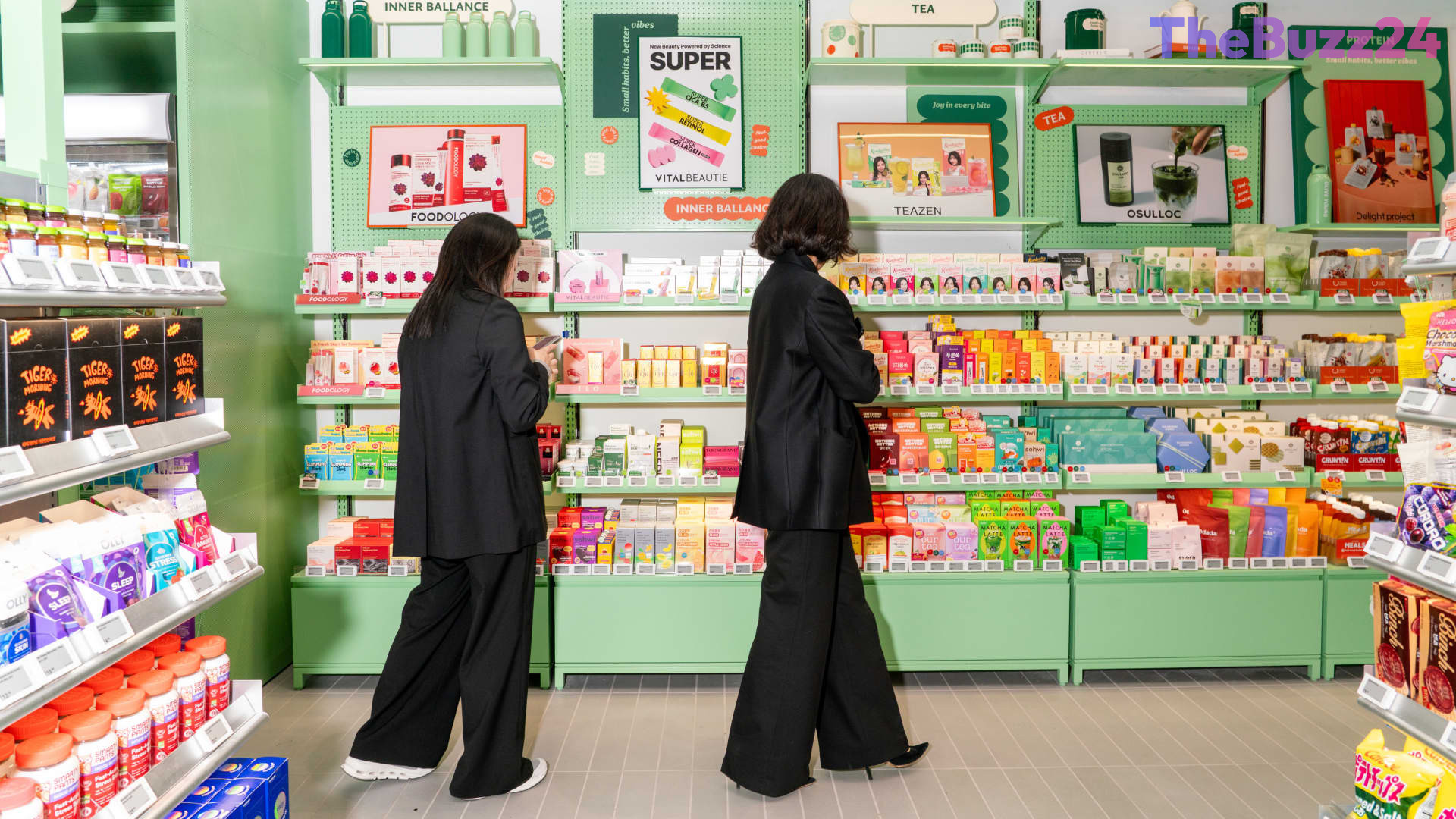
The influence of South Korean beauty products, widely known as K-beauty, has transitioned from a niche interest to a dominant force in the United States retail market. Retailers like Olive Young have seen massive success with their recent U.S. store openings, with thousands of customers lining up to access products that emphasize healthy, glowing skin over traditional heavy coverage. This shift reflects a broader change in consumer behavior, where shoppers are increasingly prioritizing ingredient-focused, maintenance-oriented skincare routines.
Market data indicates that this trend is far from slowing down. K-beauty sales in the U.S. reached $2.8 billion in early 2026, marking a significant 48% increase year-over-year. Analysts project that this figure could climb to $4 billion as the category gains deeper penetration into American households. The rise of social media platforms and the global reach of K-culture have accelerated this adoption, making these products highly sought after by a demographic that values both efficacy and affordability.
Major U.S. retailers are rapidly adapting to this demand. Companies like Sephora, Ulta Beauty, and Target are expanding their K-beauty inventories to capture this growing market share. While this expansion offers significant growth opportunities, it also presents a challenge to traditional prestige beauty brands. As consumers shift toward the often lower-priced, high-performance K-beauty alternatives, retailers may face downward pressure on average transaction values, forcing a recalibration of their premium skincare strategies.
Looking ahead, the success of K-beauty is likely to serve as a blueprint for other international beauty markets. Experts suggest that as trade channels remain open and consumer discovery continues to evolve through digital platforms, products from countries like Japan, China, Vietnam, and Thailand are poised to follow a similar trajectory. The American mall and retail environment are already beginning to reflect this globalized approach to beauty, signaling a permanent shift in how consumers discover and purchase personal care items.
Key Takeaways
- K-beauty sales in the U.S. have surged to $2.8 billion, with projections suggesting a climb to $4 billion by the end of 2026.
- Major retailers including Target, Ulta, and Sephora are aggressively expanding their K-beauty offerings to meet rising consumer demand for ingredient-focused skincare.
- The popularity of K-beauty is shifting consumer spending habits, potentially pressuring the average selling price of traditional prestige skincare products.
Editor’s Analysis & Impact
The rapid ascent of K-beauty in the U.S. represents a fundamental shift in consumer philosophy—moving from ‘covering up’ with cosmetics to ‘maintaining’ with functional skincare. From a market perspective, this is a disruptive force that challenges the pricing power of established prestige brands. Retailers that fail to integrate these high-velocity, ingredient-heavy products risk losing relevance with younger, digitally-native shoppers. Furthermore, the success of K-beauty creates a ‘gateway’ effect for other Asian beauty markets, suggesting that the future of the U.S. beauty aisle will be increasingly globalized. Investors should monitor how traditional retailers balance the lower price points of K-beauty with the need to maintain healthy margins, as this will be the primary friction point in the coming fiscal quarters.
Frequently Asked Questions
Q: Why is K-beauty so popular in the U.S. right now?
A: K-beauty's popularity is driven by a focus on 'glass skin' and healthy, ingredient-focused routines that gained traction during the pandemic. Social media platforms like TikTok and Instagram have further accelerated this trend by allowing consumers to discover and research products globally.
Q: Does the rise of K-beauty threaten traditional prestige skincare brands?
A: It presents a competitive challenge. Because K-beauty products often offer high-quality results at a lower price point than traditional prestige brands, they can exert downward pressure on the average amount consumers spend per transaction in the skincare category.
AI Disclosure: This article is based on verified data and official reports. Our Team and AI have cross-referenced every financial detail with primary sources to ensure total accuracy.
More from this Category