Hungarian President Tamás Sulyok Resigns Following Constitutional Amendment
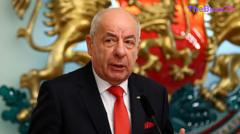
Hungarian President Tamás Sulyok has officially agreed to step down from his position, signing a constitutional amendment that will terminate his presidency at midnight this Sunday. The decision follows a swift legislative push by Prime Minister Péter Magyar’s Tisza party, which sought to remove Sulyok due to his perceived ties to the previous administration of Viktor Orbán.
Faced with the choice of signing the amendment or triggering a protracted constitutional crisis and potential impeachment, Sulyok confirmed his departure on Saturday evening. In a formal statement, the outgoing president criticized the move, characterizing the amendment as a significant breach of Hungarian constitutional democracy. He argued that the actions taken by the current government represent a disregard for the core values of a free society in favor of consolidating political power.
The removal of Sulyok marks a pivotal moment for the Tisza government, which secured a landslide victory in April. Since taking office, the new administration has moved aggressively to dismantle the influence of the Fidesz party, which held power for 16 years. Supporters of the move, including former Supreme Court head András Baka, view the resignation as a necessary step toward restoring institutional independence after years of what they describe as the capture of state entities by party loyalists.
As the transition unfolds, the political landscape in Hungary remains volatile. While the Tisza party celebrates the change as a mandate for reform, former Prime Minister Viktor Orbán has condemned the legislative amendment as an act of tyranny. The resignation signals the end of a long-standing political era and sets the stage for a fundamental restructuring of the Hungarian state.
Key Takeaways
- President Tamás Sulyok will step down at midnight on Sunday following a constitutional amendment passed by the Tisza party.
- The move is part of a broader effort by Prime Minister Péter Magyar’s government to remove officials associated with the former Fidesz administration.
- Sulyok has publicly criticized the amendment, claiming it undermines constitutional democracy and the rule of law.
Editor’s Analysis & Impact
The resignation of Tamás Sulyok represents a critical inflection point in Hungarian politics, signaling the aggressive dismantling of the institutional framework established during the 16-year tenure of the Fidesz party. By forcing the president out, the Tisza government is signaling a departure from the previous administration’s centralized control, aiming to restore independence to state institutions. However, this move carries significant risks; the accusation of ‘tyranny’ from the opposition suggests a deepening polarization within the country. The international community, particularly the European Union, will be watching closely to see if these changes lead to a genuine restoration of democratic norms or if they simply replace one form of political dominance with another. The long-term stability of the Hungarian government will depend on its ability to navigate these constitutional shifts without alienating large segments of the population who remain loyal to the former regime.
Frequently Asked Questions
Q: Why was President Tamás Sulyok forced to resign?
A: The Tisza party, led by Prime Minister Péter Magyar, viewed Sulyok as a loyalist to the previous Fidesz government and pushed through a constitutional amendment to remove him from office.
Q: What was the reaction of the former Prime Minister to the amendment?
A: Viktor Orbán has strongly opposed the amendment, labeling the move as an act of tyranny and calling for public protests against the government's actions.
AI Disclosure: This article is based on verified data and official reports. Our Team and AI have cross-referenced every financial detail with primary sources to ensure total accuracy.
More from this Category