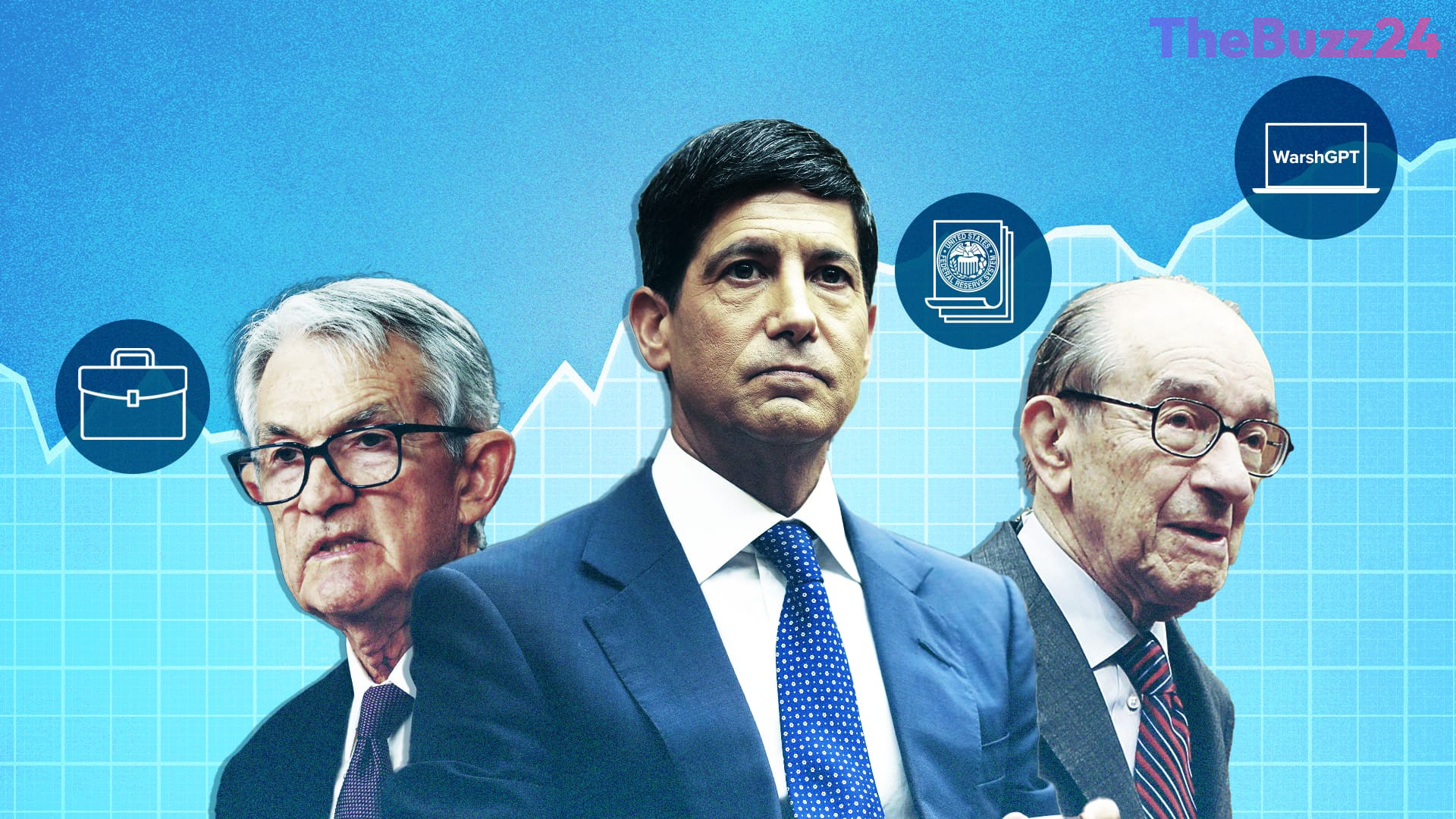
The Rise of ‘WarshGPT’: How Wall Street is Using AI to Decode a Silent Fed
As Federal Reserve Chairman Kevin Warsh implements a significant shift in the central bank’s communication strategy, financial institutions are scrambling to adapt to a new era of reduced transparency. Under Warsh’s leadership, the Fed has moved toward shorter, less descriptive policy statements and has notably dialed back forward-looking guidance. This departure from the verbose, jargon-heavy ‘Fedspeak’ of previous administrations has created a vacuum that investment firms are now rushing to fill with advanced technology.
In response to this tightening of information, F/m Investments has launched ‘WarshGPT,’ an artificial intelligence tool built on Anthropic’s Claude model. Designed to parse nearly 1,800 documents, speeches, and transcripts from the Chairman, the tool aims to provide context and historical analysis of Warsh’s economic philosophy. While the bot is strictly prohibited from making forward-looking predictions, it serves as a sophisticated resource for analysts attempting to anticipate policy shifts in an environment where the Fed is intentionally keeping its cards closer to the vest.
Major financial players are also diversifying their analytical approaches to mitigate the risks of this new communication style. Firms like UBS are utilizing interactive dashboards to track the ‘hawkishness’ of policy commentary, while others, such as JPMorgan Asset Management, are preparing to pivot their focus toward the individual speeches of Federal Open Market Committee members should key data releases like the ‘dot plot’ be discontinued. Experts suggest that while this lack of clarity may increase market volatility, it also presents a unique opportunity for firms with robust analytical frameworks to gain a competitive edge.
Ultimately, the transition toward a less communicative Fed is forcing a fundamental change in how the market processes information. As retail investors face increased difficulty in interpreting central bank signals, the reliance on AI-driven models and specialized human expertise is expected to grow. Whether this shift leads to greater market instability or simply rewards those with the most sophisticated data-processing tools remains a central question for the financial sector in the coming months.
Key Takeaways
- Federal Reserve Chairman Kevin Warsh is significantly reducing the central bank's forward guidance and shortening policy statements.
- Investment firms are deploying AI tools like 'WarshGPT' to analyze historical data and predict policy stances in the absence of explicit communication.
- Market analysts suggest that reduced transparency from the Fed may increase volatility but could provide an 'alpha' opportunity for firms with superior analytical frameworks.
Editor’s Analysis & Impact
The shift in Federal Reserve communication represents a pivot away from the ‘hand-holding’ era of central banking, where markets were conditioned to expect explicit guidance on future rate paths. By reducing the volume of forward-looking statements, Chairman Warsh is effectively forcing the market to rely on fundamental economic data rather than central bank sentiment. This creates a high-stakes environment where the ‘information gap’ is being monetized by firms capable of building proprietary AI models. In the long term, this could lead to a more reactive market, where small nuances in speeches or data releases trigger outsized volatility. The broader implication is a potential ‘arms race’ in financial technology, where the ability to synthesize vast amounts of historical policy data becomes a primary differentiator for institutional success.
Frequently Asked Questions
Q: What is WarshGPT?
A: WarshGPT is an AI-powered tool developed by F/m Investments that analyzes thousands of documents and speeches from Fed Chairman Kevin Warsh to help investors understand his economic philosophy and potential policy leanings.
Q: Why is the Federal Reserve providing less guidance?
A: Under Chairman Kevin Warsh, the Fed has adopted a strategy of shorter, simpler policy statements that intentionally exclude explicit forward guidance, moving away from the detailed communication styles of previous administrations.
AI Disclosure: This article is based on verified data and official reports. Our Team and AI have cross-referenced every financial detail with primary sources to ensure total accuracy.
More from this Category