The Gen X Retirement Trap: Why Market Concentration and the Ghost of the Dot-Com Era Threaten Portfolios
As Generation X approaches retirement age, a unique combination of underfunded portfolios, shifting pension landscapes, and high market concentration is creating a ticking time bomb for investors born between 1965 and 1980. Unlike baby boomers before them, the vast majority of Gen X workers lack traditional defined benefit pensions, forcing them to rely heavily on defined contribution plans like 401(k)s and IRAs. With many individuals in the 50-to-55 age bracket still facing a decade or more of active accumulation, they are running dangerously close to the vulnerable window where wealth accumulation overlaps with the need to draw stable income.
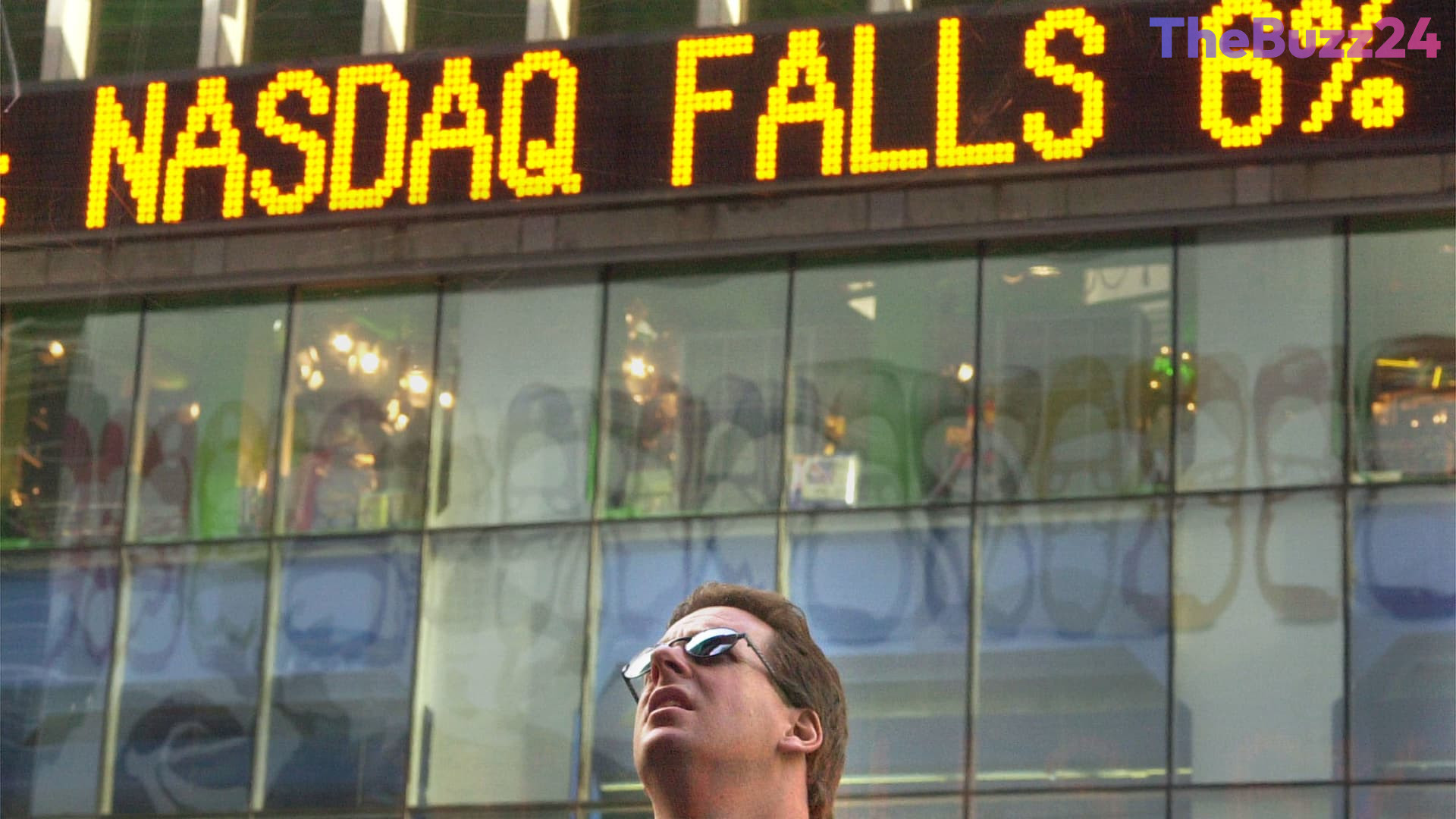
A decade of stellar equity performance has left many near-retirees heavily weighted in S&P 500 mutual funds and exchange-traded funds. However, modern market dynamics bear an unsettling resemblance to the late 1990s dot-com bubble. Today, a massive portion of the S&P 500’s market value and concentration is tied up in a handful of technology giants heavily invested in artificial intelligence. Financial experts warn that history has repeatedly shown how devastating a market correction can be when it strikes right on the cusp of retirement, pointing to the prolonged recovery periods following the dot-com bust and the Great Recession.
This vulnerability exposes investors to what financial planners call ‘sequence-of-returns risk.’ When a severe market downturn hits just as an individual begins withdrawing funds for living expenses, they are forced to sell depreciated assets. Those liquidated shares are permanently removed from the portfolio, robbing the investor of the opportunity to participate in the eventual market recovery. For a worker just three to five years away from leaving the workforce, a lost decade of market stagnation is a luxury they simply cannot afford.
To safeguard against these looming risks, wealth managers recommend strategic defensive maneuvers, such as establishing a cash ‘war chest,’ implementing gradual portfolio glide paths, or constructing a temporary bond tent. These strategies do not eliminate market exposure entirely, but they create a vital buffer between short-term cash needs and long-term growth assets. By separating the funds required for immediate living expenses from those intended to grow over the next twenty years, near-retirees can navigate market volatility with significantly less stress and better long-term security.
Key Takeaways
- Generation X faces a distinct retirement disadvantage compared to baby boomers due to the rarity of traditional pensions and heavy reliance on personal investment accounts.
- Modern S&P 500 concentration, heavily driven by a handful of AI-focused tech stocks, mirrors the dangerous market dynamics seen during the dot-com bubble.
- Sequence-of-returns risk threatens near-retirees who may be forced to sell depressed assets during a market downturn to fund living expenses.
Editor’s Analysis & Impact
The anxiety gripping Generation X investors highlights a broader structural shift in modern retirement planning. As employer-sponsored pensions have become virtually extinct outside the public sector, the burden of risk has shifted almost entirely onto the individual employee. This article underscores a critical vulnerability in passive indexing strategies: while cap-weighted S&P 500 funds have delivered exceptional long-term returns, their current heavy concentration in a handful of mega-cap tech stocks introduces massive systemic risk for aging demographics. Financial advisors are increasingly forced to pivot away from a pure growth mindset toward capital preservation and liquidity management. In the coming years, wealth management firms that successfully pioneer dynamic risk-mitigation tools—such as automated bond ladders, customized glide paths, and value-tilt strategies—will capture significant market share as the massive Gen X demographic desperately seeks to insulate their retirement nests from impending macroeconomic volatility.
Frequently Asked Questions
Q: What is sequence-of-returns risk?
A: Sequence-of-returns risk is the danger of experiencing poor investment returns or a major market crash right before or during the early years of retirement, which can severely deplete a portfolio when an individual begins making regular withdrawals.
Q: Why are Gen X investors considered less prepared for retirement?
A: Gen Xers are largely affected by the historical shift from traditional defined-benefit pensions to defined-contribution plans like 401(k)s. Research shows that only a small fraction of Gen X workers have traditional pensions compared to baby boomers, leaving them more vulnerable to out-of-pocket savings shortfalls.
Q: What is a 'war chest' strategy in retirement planning?
A: A war chest strategy involves setting aside a dedicated portion of a retirement portfolio—typically two to five years' worth of anticipated living expenses—in highly liquid, low-risk assets like cash, short-term treasuries, certificates of deposit, and high-quality bonds to avoid selling equities during a market downturn.
AI Disclosure: This article is based on verified data and official reports. Our Team and AI have cross-referenced every financial detail with primary sources to ensure total accuracy.
More from this Category