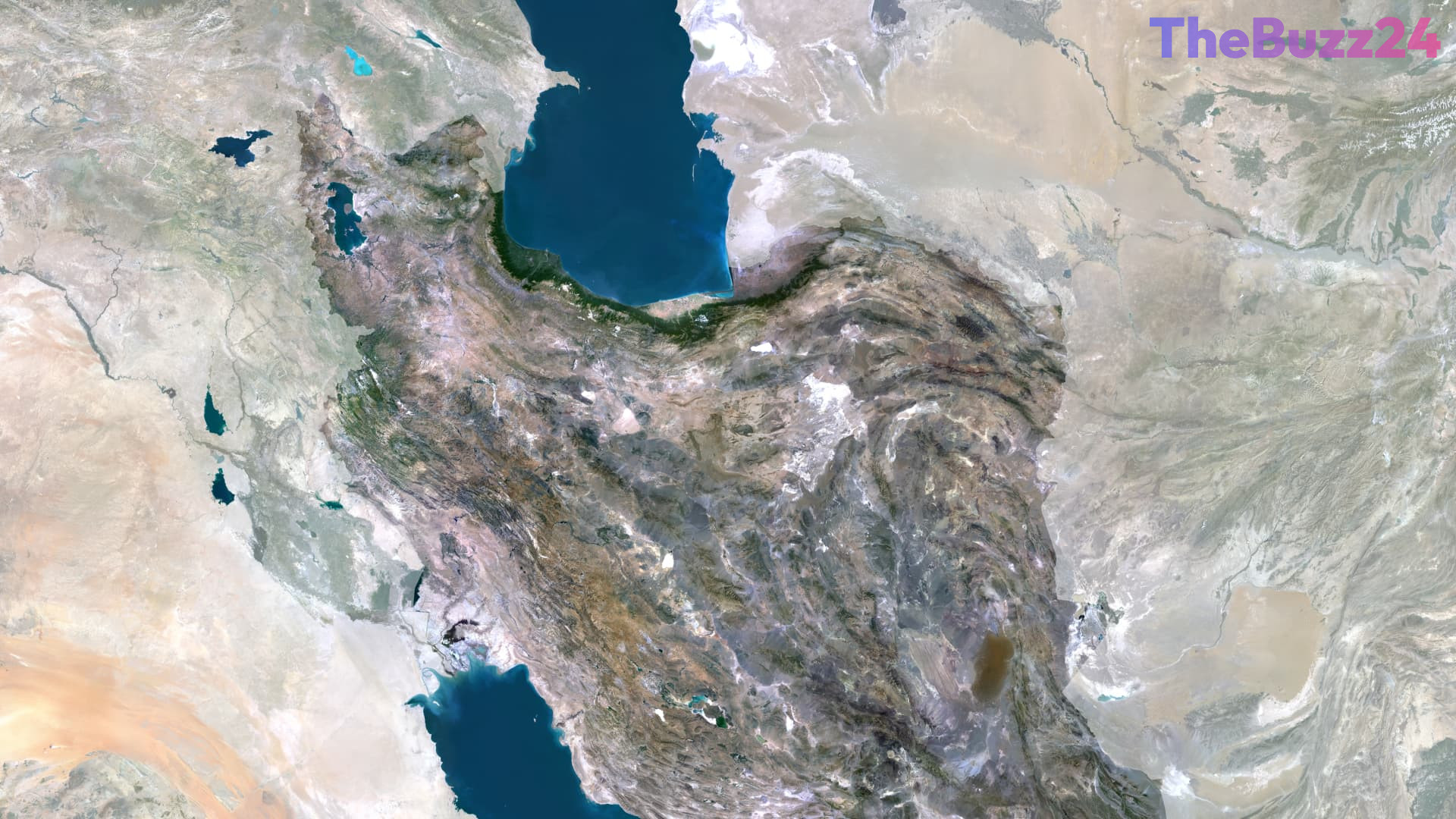
Caspian Sea Strike Escalates Tensions as Ukraine Targets Iranian Vessels
Geopolitical fault lines have expanded significantly following a military strike by Ukrainian forces on Iranian vessels operating in the Caspian Sea. The operation, which Kyiv stated targeted ships involved in military cargo shipments linked to ongoing regional conflicts, resulted in casualties and prompted severe diplomatic backlash from Tehran. Iranian authorities swiftly summoned Ukraine’s top diplomatic representative in the capital to formally protest the incident, condemning the action as a hostile and criminal offense that would not go unanswered.
The maritime confrontation marks a widening scope in international hostilities, intersecting the prolonged conflict in Eastern Europe with escalating tensions in the Middle East. Iranian Foreign Minister Abbas Araghchi confirmed active discussions with international counterparts, including Russian leadership and European Union officials, to coordinate a formal response. Meanwhile, parallel military engagements continue to rattle global shipping lanes, highlighted by ongoing naval blockades and regional skirmishes involving allied forces in the Red Sea and the Strait of Hormuz.
Amidst the mounting maritime friction, diplomatic channels remain fragile. While direct high-level negotiations between the United States and Iran have experienced pauses, secondary diplomatic efforts—including mediation channels involving regional partners—continue to explore avenues for de-escalation. The overlapping conflicts continue to exert direct pressure on global energy markets, with international crude benchmarks experiencing notable volatility as shipping routes face heightened security threats and continued military oversight.
Key Takeaways
- Ukrainian forces successfully targeted Iranian vessels in the Caspian Sea used for military cargo shipments.
- Iran summoned Ukraine's chargé d'affaires to lodge a formal and strong protest over the casualties and property damage.
- The incident underscores a dangerous intersection between the Eastern European conflict and escalating Middle Eastern tensions.
Editor’s Analysis & Impact
The strike by Ukrainian forces on Iranian assets in the Caspian Sea represents a pivotal inflection point in modern asymmetric warfare, effectively bridging two previously distinct geopolitical theaters: the war in Eastern Europe and the volatile Middle Eastern conflict. By targeting maritime logistics used for military transfers, Ukraine has expanded its strategic operational horizon far beyond its immediate borders, forcing adversaries to rethink rear-guard security. For global markets, this intersection of conflicts introduces severe vulnerabilities, particularly regarding maritime trade routes, energy logistics, and insurance premiums. As regional powers weigh diplomatic countermeasures alongside military postures, the risk of supply chain disruptions in critical waterways like the Caspian Sea and the Strait of Hormuz remains elevated. Looking ahead, the broader implications point toward increasingly interconnected global conflicts where regional flashpoints can rapidly cascade into multi-continental security crises, heavily influencing commodity prices and international diplomacy.
Frequently Asked Questions
Q: Why did Ukrainian forces strike targets in the Caspian Sea?
A: Ukrainian forces targeted vessels in the Caspian Sea that were reportedly being utilized in military cargo shipments involving Iran.
Q: What was Iran's official reaction to the attack?
A: Iran summoned Ukraine's chargé d'affaires in Tehran to convey a strong protest, condemning the operation as a hostile and criminal act following reports of casualties among sailors.
Q: How are these developments affecting global markets?
A: The widening conflicts and heightened security measures in vital shipping lanes have introduced volatility into international energy markets, directly impacting global crude oil benchmarks.
AI Disclosure: This article is based on verified data and official reports. Our Team and AI have cross-referenced every financial detail with primary sources to ensure total accuracy.
More from this Category