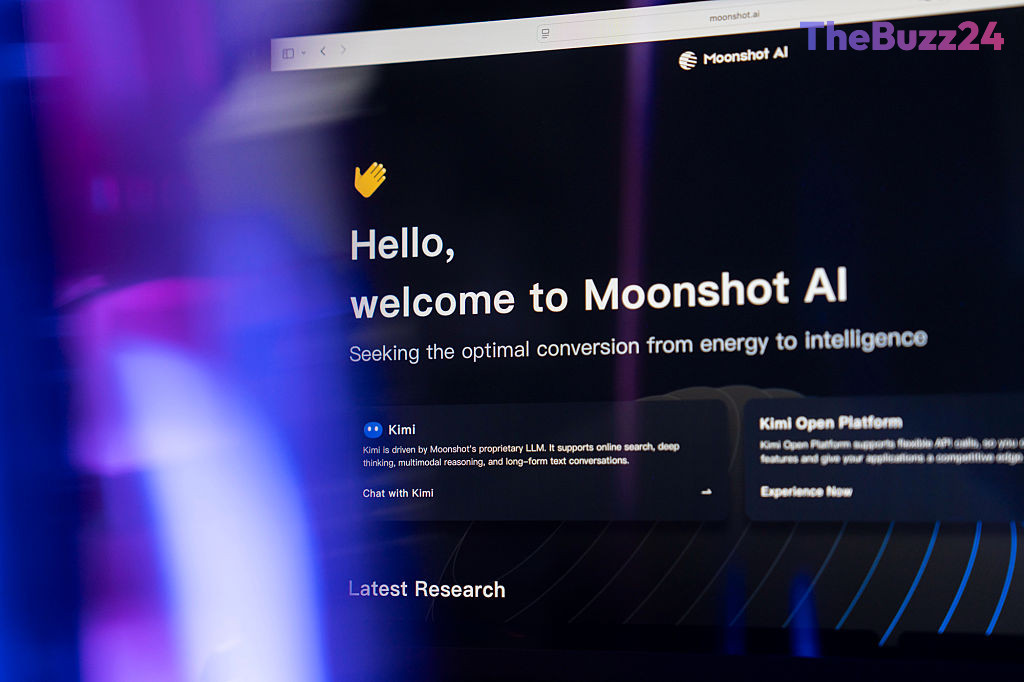
The Geopolitical Battle Over Open-Source AI: Inside the Panic Over China’s Kimi Model
The debut of Moonshot AI’s latest artificial intelligence model, Kimi, has reignited a fierce debate within Silicon Valley and Washington, D.C. regarding global competitiveness and the future of open-source technology. Following previous waves of anxiety sparked by Chinese models like DeepSeek, Kimi’s release has prompted major American AI developers, including OpenAI and Anthropic, to lobby federal regulators. These frontier labs are raising alarms over the rapid advancement of open-weight models originating from China, highlighting a growing tension between national security concerns and market competition.
Critics and industry analysts suggest that the reaction to Chinese AI breakthroughs often borders on hyperbole. For instance, during Kimi’s launch, social media buzzed with claims that the model replicated the macOS operating system in just half an hour—though observers quickly pointed out it was merely a graphical reproduction rather than a functional operating system. This pattern of cyclical panic mirrors past anxieties surrounding platforms like TikTok, where geopolitical tensions rapidly escalate industry discourse. Some argue that the fear is being leveraged by political figures and tech executives to push existing agendas, such as deregulating domestic data centers to counter the perceived foreign threat.
Beyond national security, a central point of contention is whether proposed restrictions on Chinese open-weight models are truly designed to protect American interests or simply to shield domestic tech giants from competition. Restricting open-source foreign models would heavily favor proprietary developers like OpenAI, forcing enterprises to rely on expensive, closed-source American alternatives. This dynamic was highlighted when Dean Ball, OpenAI’s head of strategic futures, faced backlash after suggesting the U.S. should deploy regulatory hurdles to disrupt the competitiveness of open-weight models—a stance he later distanced himself from. The ongoing debate underscores a critical question: is the U.S. fostering genuine innovation, or merely institutionalizing protectionism for its leading AI labs?
Key Takeaways
- The launch of Moonshot AI's Kimi model has sparked intense lobbying by U.S. AI firms like OpenAI and Anthropic over the threat of Chinese open-source AI.
- Skeptics argue that the panic is exaggerated and cyclical, pointing to overblown claims about the capabilities of Chinese models.
- Critics warn that banning Chinese open-weight models may serve as a protectionist measure that benefits a few dominant U.S. frontier labs rather than boosting overall American innovation.
Editor’s Analysis & Impact
The escalating friction between American proprietary AI developers and Chinese open-source models represents a pivotal moment for global tech governance. By framing the rise of models like Kimi and DeepSeek as existential national security threats, dominant U.S. firms are strategically positioning themselves to secure regulatory moats. If Washington succumbs to protectionist lobbying and restricts open-weight foreign models, it could stifle the broader open-source ecosystem, which many developers rely on for cost-effective innovation. Conversely, allowing unchecked integration of foreign models raises legitimate concerns regarding data sovereignty and algorithmic bias. Ultimately, the U.S. government faces a delicate balancing act: safeguarding national infrastructure without inadvertently dismantling the open, collaborative framework that has historically driven Western technological supremacy.
Frequently Asked Questions
Q: What is Moonshot AI's Kimi model, and why is it controversial?
A: Kimi is an advanced AI model developed by the Chinese firm Moonshot AI. It has sparked controversy because its competitive performance has raised concerns among U.S. tech companies and regulators regarding China's growing capabilities in the AI sector and the security implications of open-weight models.
Q: Why are U.S. companies like OpenAI lobbying regulators about Chinese AI?
A: U.S. frontier labs argue that open-source Chinese models present security risks and lack proper guardrails. However, critics suggest these companies are also lobbying for protectionist regulations to eliminate cheaper open-source competitors and maintain their market dominance.
Q: What is the difference between open-weight and proprietary AI models in this context?
A: Open-weight models allow external developers to access, modify, and run the underlying code, offering a highly customizable and cost-effective solution. Proprietary models, like those from OpenAI, are closed-source, meaning users must pay to access them via APIs, keeping the technology under the sole control of the creator.
AI Disclosure: This article is based on verified data and official reports. Our Team and AI have cross-referenced every financial detail with primary sources to ensure total accuracy.
More from this Category