The High-Stakes Battle for Prehistoric Treasures: Are T. Rex Fossils Becoming Luxury Assets?
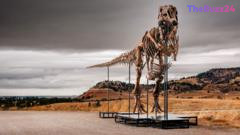
The world of paleontology is facing a growing divide as rare dinosaur specimens increasingly transition from museum centerpieces to high-value luxury assets. A remarkably complete Tyrannosaurus rex, known as ‘Gus,’ is set to hit the auction block with a staggering pre-sale valuation of $30 million. Discovered in the rugged Badlands of South Dakota, the specimen represents a significant scientific find, yet its potential sale price highlights a trend that has many in the scientific community deeply concerned about the future of natural history research.
For decades, the excavation of such fossils has been a labor-intensive, multi-year endeavor requiring immense skill and financial risk. Proponents of the private market argue that these auction prices provide essential compensation for the professional hunters who spend years in harsh conditions to recover specimens that might otherwise be lost to erosion or decay. They contend that without the incentive of the private market, many of these prehistoric wonders would never be unearthed, effectively saving them from a ‘second extinction’ caused by the elements.
However, museum researchers argue that the commodification of fossils creates an insurmountable barrier for public institutions. As prices for specimens like the T. rex continue to skyrocket, major museums are increasingly priced out of the market, losing the ability to acquire and display these artifacts for the public. Furthermore, the scientific community faces a major hurdle: top-tier journals often refuse to publish research based on specimens held in private collections, as these items may not be accessible for future verification or peer review, effectively rendering them invisible to the scientific record.
Ultimately, the debate centers on whether dinosaur fossils should be treated as cultural heritage or as private property. While some wealthy collectors have opted to loan their acquisitions to museums, experts warn that this is an unreliable substitute for institutional ownership. As the market for prehistoric remains continues to expand, the tension between the preservation of scientific data and the allure of private ownership remains a critical issue for the future of paleobiology.
Key Takeaways
- A rare, highly complete T. rex specimen named 'Gus' is expected to fetch at least $30 million at auction, highlighting the rising market value of dinosaur fossils.
- Scientific researchers warn that private ownership of fossils hinders academic study, as many journals prohibit research on specimens that are not publicly accessible.
- Proponents of the auction market argue that high prices incentivize professional fossil hunters to recover specimens that would otherwise be destroyed by natural erosion.
Editor’s Analysis & Impact
The surge in fossil valuations reflects a broader trend of ‘alternative assets’ becoming status symbols for the ultra-wealthy. Much like fine art, dinosaur skeletons are being repositioned as trophy investments, which creates a significant market distortion. From an industry perspective, this creates a ‘scientific lockout’ where the most significant specimens are sequestered in private estates. The long-term implication is a potential stagnation in paleobiological research, as the primary data—the fossils themselves—becomes increasingly fragmented. While some buyers may loan their items to museums, the lack of permanent, public access threatens the integrity of future scientific discourse. We expect this trend to continue until either regulatory bodies intervene to classify specific fossils as protected heritage or the market for such high-risk, high-cost assets faces a correction.
Frequently Asked Questions
Q: Why can't scientists study fossils held in private collections?
A: Most reputable scientific journals require that specimens be accessible for future study and verification. If a fossil is in a private collection, there is no guarantee that researchers will be allowed to re-examine it, which invalidates the reproducibility of the scientific findings.
Q: What happens to fossils if they are not recovered by hunters?
A: Fossils are subject to constant erosion. If they are not excavated, they are often destroyed by weather, water, and shifting terrain, effectively losing the historical data they contain forever.
AI Disclosure: This article is based on verified data and official reports. Our Team and AI have cross-referenced every financial detail with primary sources to ensure total accuracy.
More from this Category