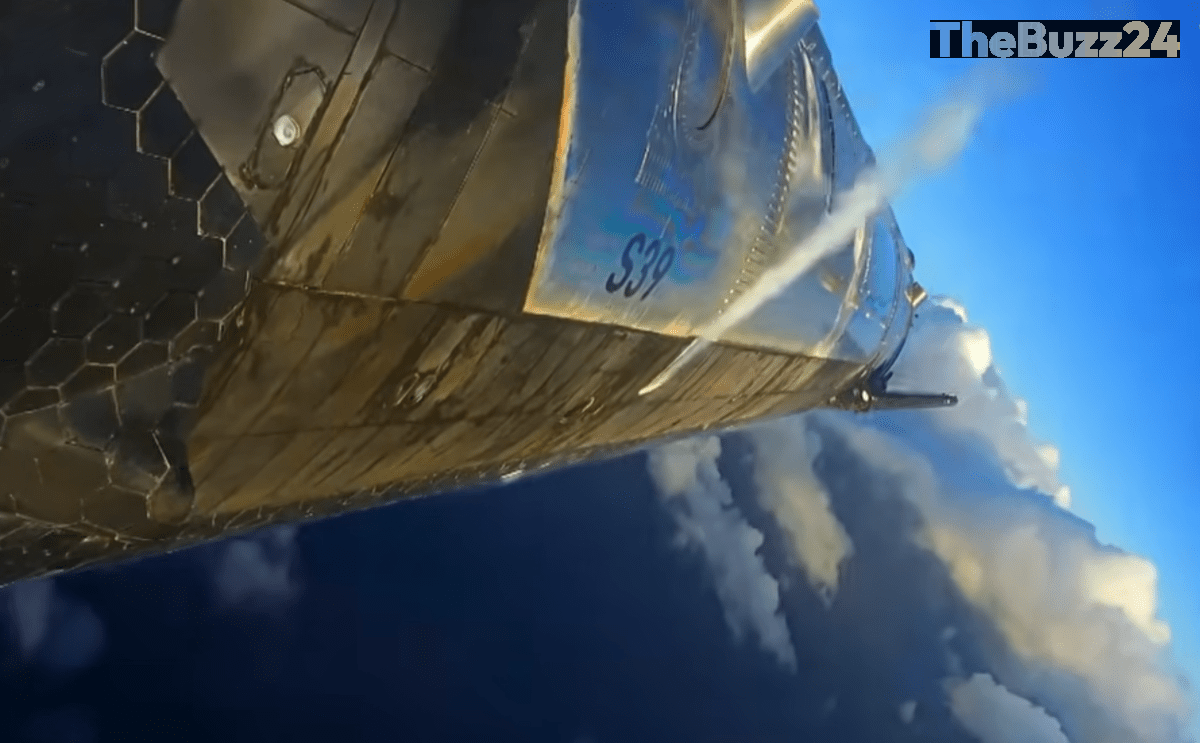
The Economic Tightrope: SpaceX’s Starship and the Future of Starlink
SpaceX is currently navigating a pivotal phase as it attempts to synchronize the massive capital demands of its Starlink satellite constellation with the complex engineering requirements of the Starship rocket program. While Starlink has successfully generated substantial revenue, financial insights indicate that the business model is heavily tethered to a continuous and costly infrastructure replacement cycle. To maintain the integrity of the network, approximately 20% of the satellites must be replaced every year, necessitating a high-frequency launch cadence that is both technically demanding and financially intensive.
The cornerstone of the company’s long-term financial viability rests on the successful implementation of full reusability for the Starship vehicle. Elon Musk has consistently emphasized that achieving rapid, full reusability is the only path to drastically reducing launch costs. However, recent flight tests have underscored persistent technical hurdles, particularly concerning the reliability of Raptor engines during landing sequences. Industry experts caution that if the company fails to master full reusability, the operational costs of Starship may remain comparable to the existing Falcon 9, effectively neutralizing the primary economic incentive for the program’s development.
Beyond the technical challenges, the company is also facing shifting market dynamics. While Starlink has surpassed 10 million subscribers, the pace of new user acquisition has begun to slow. Furthermore, as the service expands into diverse international markets, the average revenue per user has seen a downward trend. With emerging competition from rivals like Amazon’s Project Kuiper, SpaceX is operating within a tightening window to demonstrate that its satellite-based business model can achieve the scale and cost-efficiency required to sustain its significant capital expenditures.
Key Takeaways
- SpaceX must replace roughly 20% of its Starlink satellites annually, creating a constant need for high-volume, cost-effective launches.
- The economic success of the Starship program is entirely dependent on achieving full reusability to lower launch costs significantly.
- Starlink is facing slowing subscriber growth and declining average revenue per user as it expands into international markets and prepares for increased competition.
Editor’s Analysis & Impact
The intersection of SpaceX’s Starlink and Starship programs represents one of the most ambitious capital-intensive gambles in modern aerospace history. The company is effectively attempting to solve a ‘chicken and egg’ problem: Starlink needs Starship to lower launch costs to remain profitable, but Starship requires the massive funding generated by Starlink to reach maturity. The deceleration in subscriber growth suggests that the ‘low-hanging fruit’ of early adopters has been captured, and the company must now compete on price and performance in a more crowded global market. If SpaceX cannot achieve rapid reusability for Starship, the financial burden of maintaining the Starlink constellation could become a significant drag on the company’s valuation. The next 18 to 24 months will be critical in determining whether the company can transition from a development-heavy phase to a sustainable, high-margin operational model.
Frequently Asked Questions
Q: Why is full reusability of the Starship rocket so important for SpaceX?
A: Full reusability is essential to drastically reduce the cost per launch. Without it, the operational expenses of Starship would remain too high to justify the massive investment, making it difficult to sustain the Starlink satellite network profitably.
Q: What are the primary challenges currently facing the Starlink service?
A: Starlink is currently dealing with a slowing rate of new subscriber sign-ups, a decline in average revenue per user due to international expansion, and the looming threat of competition from other satellite internet providers like Amazon.
AI Disclosure: This article is based on verified data and official reports. Our Team and AI have cross-referenced every financial detail with primary sources to ensure total accuracy.
More from this Category