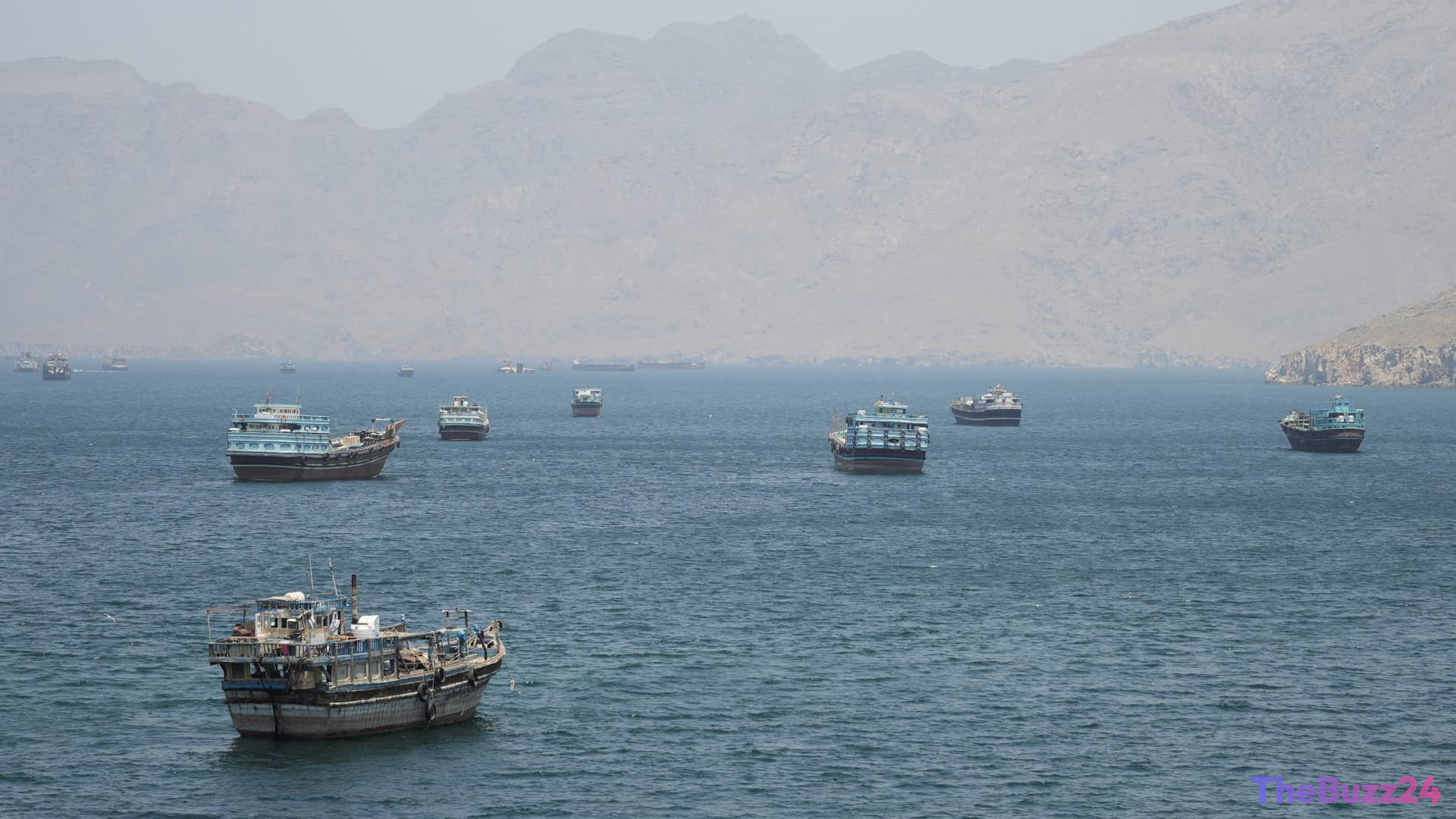
Global Energy Markets Pivot as Strait of Hormuz Disruptions Force Structural Overhaul
The global energy landscape is undergoing a significant transformation as geopolitical tensions and the resulting blockade of the Strait of Hormuz expose the vulnerabilities of international supply chains. With a substantial volume of oil effectively sidelined by the closure of this vital maritime chokepoint, the fragility of current energy infrastructure has become a primary concern for industry leaders. Major energy services firms, including SLB, Baker Hughes, and Halliburton, have indicated that the current crisis is necessitating a fundamental reassessment of national energy security strategies.
To mitigate the impact of the supply crunch, governments and private corporations are rapidly shifting toward a model of redundancy and diversification. The industry is moving away from its historical reliance on single, large-scale assets, opting instead for a more resilient infrastructure framework. This dual-track strategy involves aggressive investment in traditional oil exploration—specifically targeting offshore and deepwater projects in Africa, the Americas, and Asia—while simultaneously bolstering capital commitments to low-carbon energy sources like nuclear and geothermal power.
Market conditions have evolved from anticipated surpluses to a pronounced global deficit, fundamentally altering the role of the United States in the international energy market. U.S. crude oil exports have surged to record levels, positioning the country as a critical stabilizer for global energy security. Analysts suggest that the imperative to rebuild global inventories to levels above historical norms will likely keep energy prices elevated for the foreseeable future, providing a strong financial incentive for long-term investment in previously underdeveloped resource regions to ensure future stability.
Key Takeaways
- The blockade of the Strait of Hormuz has forced a global shift toward energy redundancy and infrastructure diversification.
- Major energy firms are balancing increased investment in deepwater oil exploration with commitments to nuclear and geothermal alternatives.
- U.S. crude oil exports have become a cornerstone of international energy security as global markets face a persistent supply deficit.
Editor’s Analysis & Impact
The current disruption in the Strait of Hormuz serves as a catalyst for a long-overdue structural shift in global energy policy. For decades, the market relied on the efficiency of centralized supply routes, but the current crisis has proven that efficiency is no longer a substitute for resilience. The industry’s pivot toward ‘redundancy’ suggests that we are entering an era of higher capital expenditure, as nations prioritize security over the lowest possible cost per barrel. This transition will likely benefit energy services companies that can facilitate complex offshore exploration while simultaneously supporting the transition to diversified energy portfolios. In the long term, the necessity of rebuilding global inventories will likely keep energy prices structurally higher, potentially fueling inflation but also providing the necessary capital to de-risk the global energy supply chain against future geopolitical shocks.
Frequently Asked Questions
Q: Why is the Strait of Hormuz considered a critical chokepoint for global energy?
A: The Strait of Hormuz is a narrow maritime passage through which a significant percentage of the world's total oil production must pass, making it a vital artery for global energy supply chains.
Q: How is the U.S. responding to the current global energy deficit?
A: The U.S. has increased its crude oil exports to record levels, effectively acting as a primary supplier to help stabilize international markets and fill the void left by supply disruptions.
AI Disclosure: This article is based on verified data and official reports. Our Team and AI have cross-referenced every financial detail with primary sources to ensure total accuracy.
More from this Category