The Musk Premium: Why Investors Are Betting on Vision Over Valuation at SpaceX
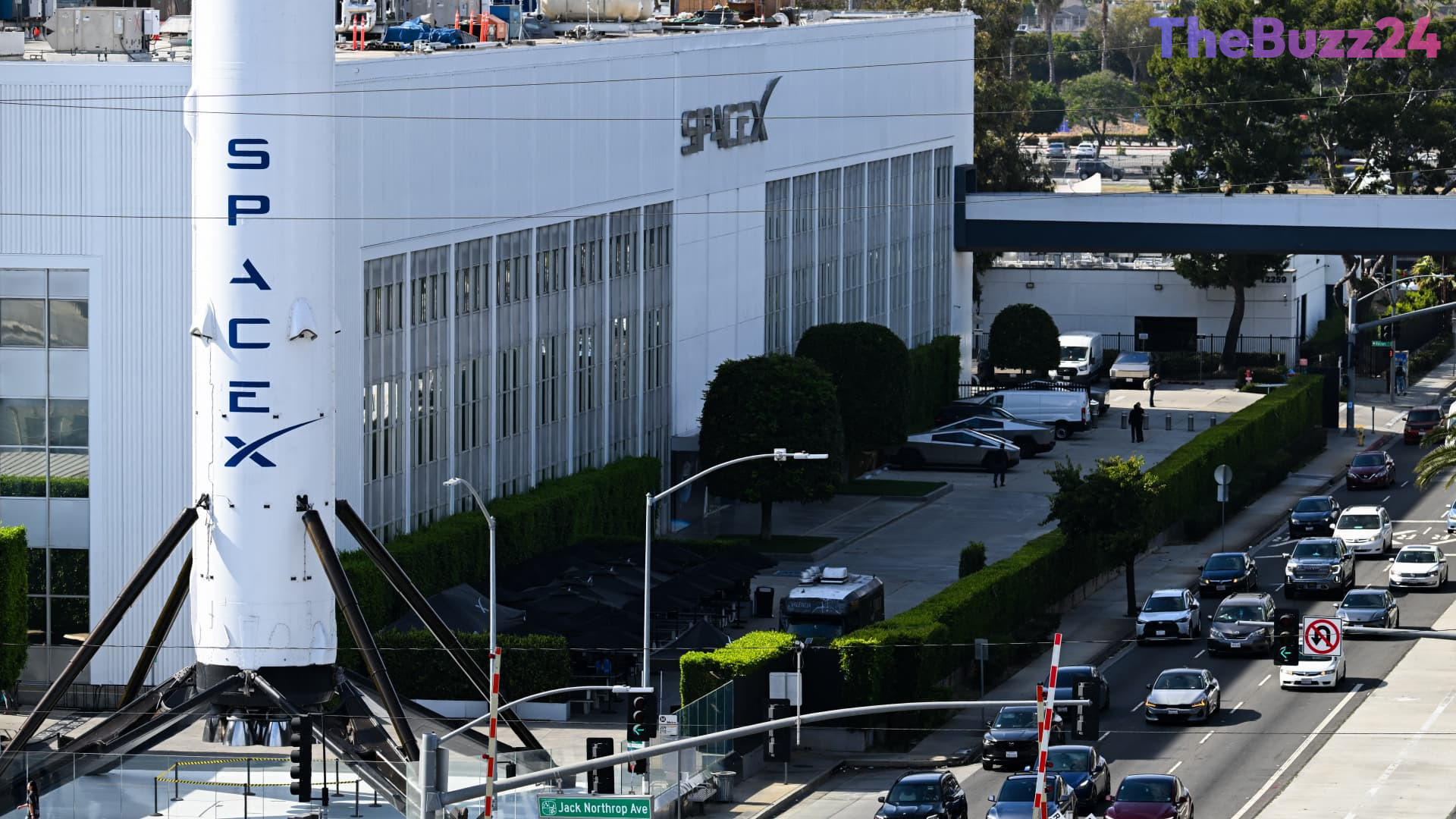
SpaceX has rapidly ascended to become one of the world’s most valuable entities, with its recent market performance pushing its valuation into the trillions. Despite operating at a loss and facing skepticism regarding traditional financial metrics, the company’s stock continues to see aggressive buying pressure. Market observers suggest that the current valuation is not driven by immediate earnings power, but rather by a profound investor confidence in the leadership and long-term vision of Elon Musk.
This phenomenon is increasingly compared to the historical appeal of Berkshire Hathaway under Warren Buffett, where investors purchase shares primarily to gain exposure to a singular, proven visionary. By prioritizing Musk’s track record of building transformative, category-defining businesses, shareholders are effectively betting on his ability to execute on ambitious, multi-decade goals. The company’s diverse portfolio, which includes the Starlink satellite network and reusable rocket technology, serves as a foundation for this speculative growth.
Strategic expansion remains a core component of the company’s trajectory, further fueling investor optimism. The recent announcement of a $60 billion acquisition of the AI coding startup Cursor highlights a pivot toward integrating advanced software development and artificial intelligence into the company’s core operations. While these ventures have yet to reach full commercial maturity, they represent the type of high-stakes innovation that supporters believe will eventually justify the company’s massive market capitalization.
Key Takeaways
- SpaceX's massive valuation is driven more by investor faith in Elon Musk's leadership than by current earnings.
- The company is aggressively expanding into new sectors, including a $60 billion acquisition of AI startup Cursor.
- Investors are treating SpaceX as a long-term vehicle for exposure to Musk's ability to create transformative, industry-defining businesses.
Editor’s Analysis & Impact
The market’s reaction to SpaceX represents a shift toward ‘founder-centric’ investing, where the individual’s track record acts as a proxy for corporate due diligence. By valuing the company at trillions despite current losses, the market is pricing in a future where SpaceX dominates not just aerospace, but also global telecommunications and AI-driven software infrastructure. This creates a high-risk, high-reward environment; if Musk fails to deliver on his ambitious revenue targets, the valuation could face a significant correction. However, the ‘cult of personality’ surrounding Musk has historically proven to be a powerful buffer against traditional bearish arguments. The broader implication is that in the modern tech landscape, intangible assets—specifically the perceived genius of a CEO—are increasingly outweighing traditional balance sheet fundamentals in the eyes of retail and institutional investors alike.
Frequently Asked Questions
Q: Why is SpaceX valued so highly despite operating at a loss?
A: Investors are prioritizing the company's future growth potential and Elon Musk's proven ability to build transformative businesses over current quarterly earnings.
Q: What is the significance of the Cursor acquisition for SpaceX?
A: The $60 billion acquisition of Cursor signals that SpaceX is aggressively moving to integrate artificial intelligence and advanced software development tools into its existing business ecosystem.
AI Disclosure: This article is based on verified data and official reports. Our Team and AI have cross-referenced every financial detail with primary sources to ensure total accuracy.
More from this Category