Middle East Shipping Crisis Escalates as Red Sea and Strait of Hormuz Face Unprecedented Threats
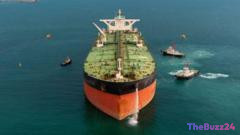
Maritime trade across the Middle East is facing its most severe disruption in recent history as twin security threats imperil crucial global energy supply routes. The Strait of Hormuz, a vital artery through which nearly one-fifth of the world’s petroleum and natural gas historically passed, has seen vessel traffic fall to a fraction of its normal volume. Daily counts of passing commercial ships have dropped into single digits, compelling numerous oil tankers to turn off their automated tracking transponders to navigate contested waters without detection.
The logistical crisis has compounded as secondary shipping passages face heightened danger. Tankers attempting to bypass the Strait of Hormuz by routing through the Red Sea and the Bab el-Mandeb strait are now encountering severe risks due to escalated attacks and port blockades announced by Yemen’s Houthi militia against vessels tied to Saudi Arabian ports. Although some non-Saudi trade continues, crude oil shipments targeted for Asian markets have fallen to historically low levels.
Diplomatic efforts to secure maritime navigation remain precarious. Iran has held preliminary discussions with Oman regarding shipping safety in the region, yet Iranian officials maintain that restrictions on the waterway will not be lifted while United States military pressure continues. Meanwhile, volatile diplomatic signaling has directly impacted global commodities markets, where news of potential negotiations caused Brent crude prices to drop over four percent to around $84 per barrel.
Even if diplomatic channels succeed in reopening critical sea lanes, commercial shipping lines warn that global supply chain recovery will be far from immediate. Global carriers, such as Hapag-Lloyd, have already begun rerouting ships to safer international routes. Industry experts estimate that fully restoring cargo flows and returning redeployed vessels back to their standard Middle Eastern schedules will take between three to four months following any official conflict resolution.
Key Takeaways
- Vessel traffic through the Strait of Hormuz has plummeted from over 100 ships daily to single digits due to heightened regional conflict.
- Alternative shipping routes through the Red Sea face severe disruption from Houthi militia blockades, drastically curtailing crude exports to Asia.
- Global logistics companies warn that normalizing maritime trade routes will take three to four months after diplomatic resolutions are reached.
Editor’s Analysis & Impact
The simultaneous disruption of the Strait of Hormuz and Red Sea shipping routes represents an unprecedented compounding risk for global energy stability. With nearly 20% of the world’s petroleum supply historically passing through Hormuz, prolonged bottlenecks threaten to reignite broader inflationary pressures across major global economies. While initial diplomatic gestures temporarily cooled crude oil prices, core security risks across these maritime corridors remain unaddressed. Energy-importing nations in Asia are particularly vulnerable to supply delays and skyrocketing freight insurance premiums. Furthermore, the structural reallocation of vessel fleets by major shipping conglomerates means that supply chain relief will lag behind any political deal by several months. Prolonged instability will likely force international trade policy to pivot toward permanent alternative routes and accelerated energy diversification.
Frequently Asked Questions
Q: Why are oil tankers turning off their tracking transponders in the Middle East?
A: Tanker operators are disabling transponders—a practice known as 'going dark'—to obscure their location and avoid targeting while navigating high-risk zones in the Strait of Hormuz and the Red Sea.
Q: How have global oil prices reacted to the shipping disruptions?
A: Oil markets have experienced intense volatility. While security threats initially pushed prices up, signals of potential diplomatic talks and pauses in planned military strikes caused Brent crude to drop over 4% to approximately $84 per barrel.
Q: How long will it take for shipping flows to return to normal once the conflict ends?
A: Global shipping carriers estimate that re-establishing normal cargo flows and returning diverted fleets to standard Middle Eastern routes will take three to four months after safe navigation is officially restored.
AI Disclosure: This article is based on verified data and official reports. Our Team and AI have cross-referenced every financial detail with primary sources to ensure total accuracy.
More from this Category