The Retail Pharmacy Gold Rush: How GLP-1 Drugs Are Transforming Big-Box Store Strategy
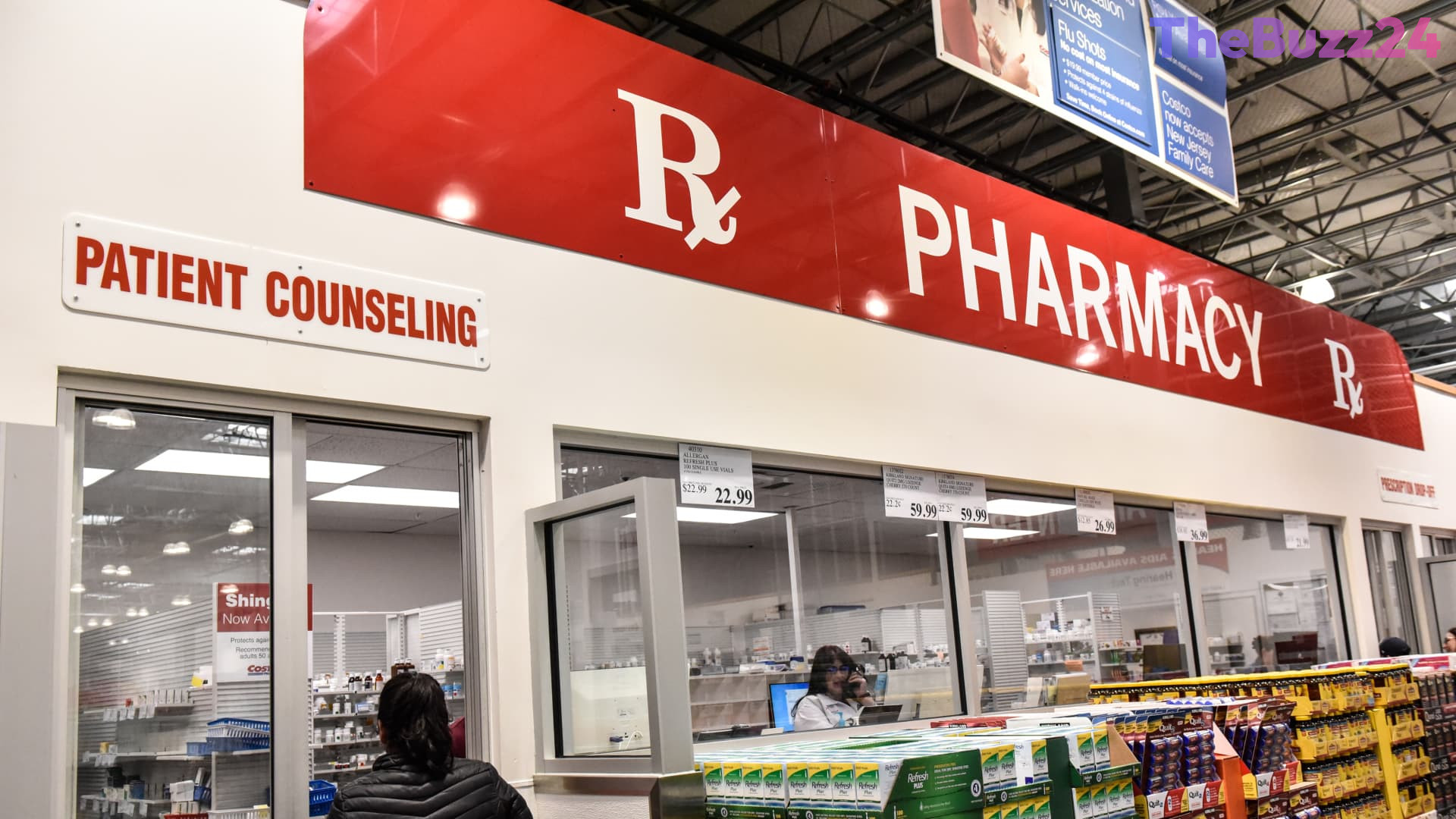
As major employers increasingly scale back or eliminate coverage for GLP-1 weight-loss medications like Wegovy and Zepbound, a significant shift is occurring in how Americans access these treatments. Retail giants including Walmart, Costco, CVS, and Amazon are aggressively positioning themselves to fill this void, launching direct-to-consumer (DTC) programs that bypass traditional insurance-based models. By offering these drugs at competitive cash prices, these companies are not merely selling medication; they are securing long-term, recurring customer relationships that drive foot traffic and secondary sales across their broader retail ecosystems.
For these retail behemoths, the GLP-1 prescription serves as a powerful customer acquisition tool. The strategy relies on the concept of ‘pharmacy lock-in,’ where the necessity of monthly refills ensures that patients return to the store consistently. Once inside, these customers are statistically more likely to purchase household goods, groceries, and other essentials. Retailers are further enhancing this value proposition by bundling prescriptions with digital health tools, nutrition coaching, and AI-driven support, effectively attempting to become the primary hub for a patient’s metabolic health journey.
However, this rapid pivot toward DTC models has sparked concerns regarding the fragmentation of patient care. Independent pharmacy owners argue that the migration of patients to large chains creates dangerous gaps in medical oversight. Because these centralized programs often operate outside of a patient’s primary pharmacy network, local pharmacists may be unaware of potential drug interactions between GLP-1s and other medications, such as insulin or oral contraceptives. Critics warn that the ‘gold rush’ mentality currently driving these retail strategies prioritizes low-cost access over the comprehensive, longitudinal care that is essential for effective obesity management.
Despite the enthusiasm from major retailers, the path to profitability remains complex. While these companies have previously struggled to sustain standalone healthcare clinics and telehealth ventures, they are betting that the sheer volume of recurring pharmacy visits will eventually outweigh the thin margins on the drugs themselves. As the market continues to evolve, the divide between the scale-driven efficiency of national chains and the personalized, integrated care of local pharmacies is expected to widen, forcing a reevaluation of how obesity treatment is delivered in the modern retail landscape.
Key Takeaways
- Major retailers are using GLP-1 weight-loss drugs as a strategic 'front door' to capture long-term, recurring customer loyalty and increase overall store foot traffic.
- As employers drop coverage for weight-loss medications, direct-to-consumer programs from companies like Amazon, Walmart, and Costco are becoming the primary access point for patients.
- Independent pharmacies are struggling to compete with the scale of big-box retailers, raising concerns about fragmented patient care and the potential for missed drug-interaction warnings.
Editor’s Analysis & Impact
The shift toward direct-to-consumer GLP-1 distribution represents a fundamental change in the retail pharmacy business model. By commoditizing the prescription refill, retailers are successfully turning a low-margin pharmaceutical product into a high-value customer acquisition engine. The industry impact is profound: national chains are effectively weaponizing pharmacy services to defend against e-commerce threats and declining brick-and-mortar engagement. However, the long-term sustainability of this model is tied to the retailers’ ability to maintain these ‘longitudinal relationships’ once the initial novelty of the weight-loss drug wears off. If these companies fail to provide meaningful clinical value beyond the pill, they risk losing the very customers they fought so hard to acquire. Furthermore, the regulatory scrutiny regarding patient data and care coordination will likely increase as these retail giants take on a larger role in chronic disease management.
Frequently Asked Questions
Q: Why are employers dropping coverage for GLP-1 weight-loss drugs?
A: Many employers are finding the costs of these medications unsustainable as the number of eligible employees grows and the long-term financial impact of covering these drugs becomes more apparent.
Q: How do retailers benefit from selling GLP-1 drugs if the margins are low?
A: Retailers view the prescription as a 'loss leader' or acquisition tool. The primary goal is to ensure the patient visits the store or website monthly for refills, which increases the likelihood that they will purchase other high-margin retail goods during their visit.
AI Disclosure: This article is based on verified data and official reports. Our Team and AI have cross-referenced every financial detail with primary sources to ensure total accuracy.
More from this Category