The Autonomous Shift: How Drone Swarms Are Redefining Global Defense
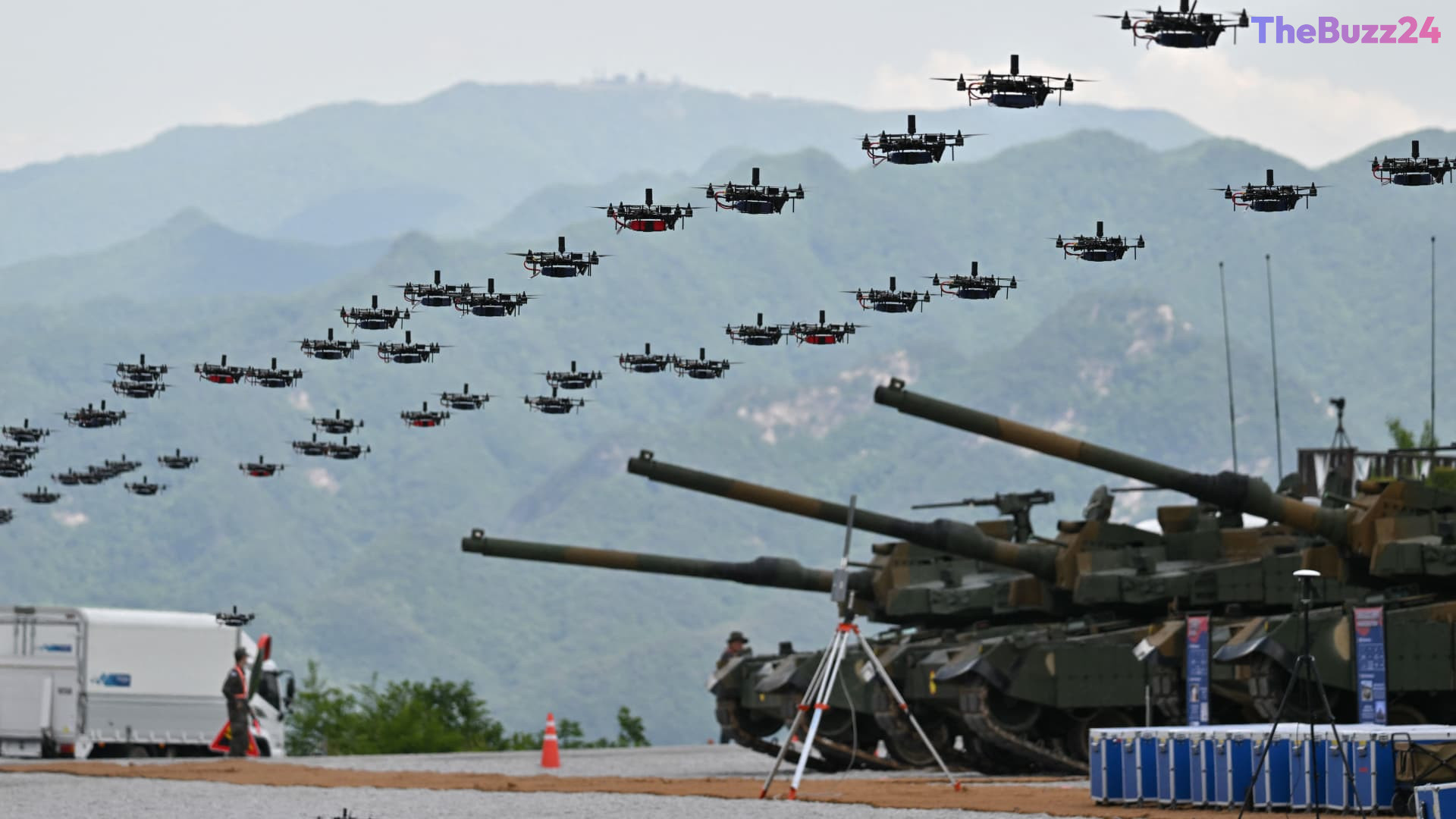
The landscape of modern warfare is undergoing a radical transformation as autonomous drone swarms emerge as a dominant force on the battlefield. Former CIA Director David Petraeus has highlighted that the rapid proliferation of these unmanned systems is not only reshaping tactical combat but also creating a significant economic imbalance. As seen in recent conflicts, the cost-effectiveness of low-cost drones compared to the expensive interceptor missiles required to neutralize them is placing an unsustainable financial strain on traditional military defense budgets.
Beyond the economic challenges, the transition toward fully autonomous swarms marks a departure from remotely piloted operations. These systems are designed to communicate and coordinate with one another, allowing them to overwhelm defensive infrastructure with a level of synchronization that human-piloted units cannot match. This evolution is largely driven by the necessity to operate in environments where electronic warfare frequently disrupts traditional communication links, making autonomous decision-making a critical survival trait for military assets.
Looking forward, the defense industry is pivoting toward massive investments in command-and-control networks. These integrated systems, which rely on advanced satellite communications like SpaceX’s Starlink, aim to link sensors, decision-making platforms, and weapon systems into a cohesive, self-sustaining network. As these technologies mature, the global defense sector is preparing for a future where the outcome of regional and international conflicts is increasingly determined by the sophistication of autonomous capabilities rather than traditional manpower.
Key Takeaways
- Autonomous drone swarms are creating a financial crisis for defense budgets due to the high cost of interceptor missiles compared to cheap drone technology.
- The shift toward fully autonomous systems is a response to electronic warfare, which often renders traditional remote-control links unreliable.
- Future military dominance will rely on integrated command-and-control networks that allow autonomous platforms to coordinate attacks without human intervention.
Editor’s Analysis & Impact
The rise of autonomous drone swarms represents a paradigm shift in military industrial strategy. We are witnessing a transition from hardware-centric warfare to software-defined combat, where the speed of data processing and algorithmic coordination dictates battlefield success. For the defense industry, this creates a lucrative but complex market for command-and-control software and resilient satellite connectivity. However, the broader implications are concerning; as the barrier to entry for effective drone warfare lowers, smaller nations and non-state actors gain the ability to challenge traditional military powers. This will likely trigger an arms race in counter-drone technology, specifically directed-energy weapons and AI-driven defensive shields. Investors should monitor firms specializing in edge computing, autonomous navigation, and satellite infrastructure, as these will be the foundational pillars of the next generation of global security.
Frequently Asked Questions
Q: Why are drone swarms considered a threat to current defense systems?
A: Current defense systems are often designed to intercept larger, more expensive aircraft. Drone swarms are inexpensive and numerous, allowing them to overwhelm defensive infrastructure and exhaust the supply of costly interceptor missiles.
Q: What role does satellite technology play in autonomous warfare?
A: Satellite networks, such as Starlink, provide the necessary connectivity for autonomous platforms to communicate and receive updates in contested environments where ground-based electronic warfare might otherwise disrupt control signals.
AI Disclosure: This article is based on verified data and official reports. Our Team and AI have cross-referenced every financial detail with primary sources to ensure total accuracy.
More from this Category