The Rise of the ‘Fallcation’: Why Luxury Travelers Are Abandoning Summer
The traditional summer vacation is losing its luster among the world’s wealthiest travelers, who are increasingly shifting their travel plans to the autumn months. This trend, dubbed the ‘fallcation,’ has seen a dramatic surge in popularity as affluent individuals seek to avoid the intense heat, overcrowding, and inflated costs that have come to define July and August in major tourist hubs.
Data indicates a significant shift in travel patterns, with luxury bookings for the fall season rising by 59% compared to the previous year, while total sales have jumped by 69%. September has emerged as a particularly strong month, with sales growth reaching 77%. This transition is largely driven by a demographic shift, as retired baby boomers, empty-nest Gen Xers, and location-independent younger professionals find themselves no longer tethered to school calendars or traditional office schedules.
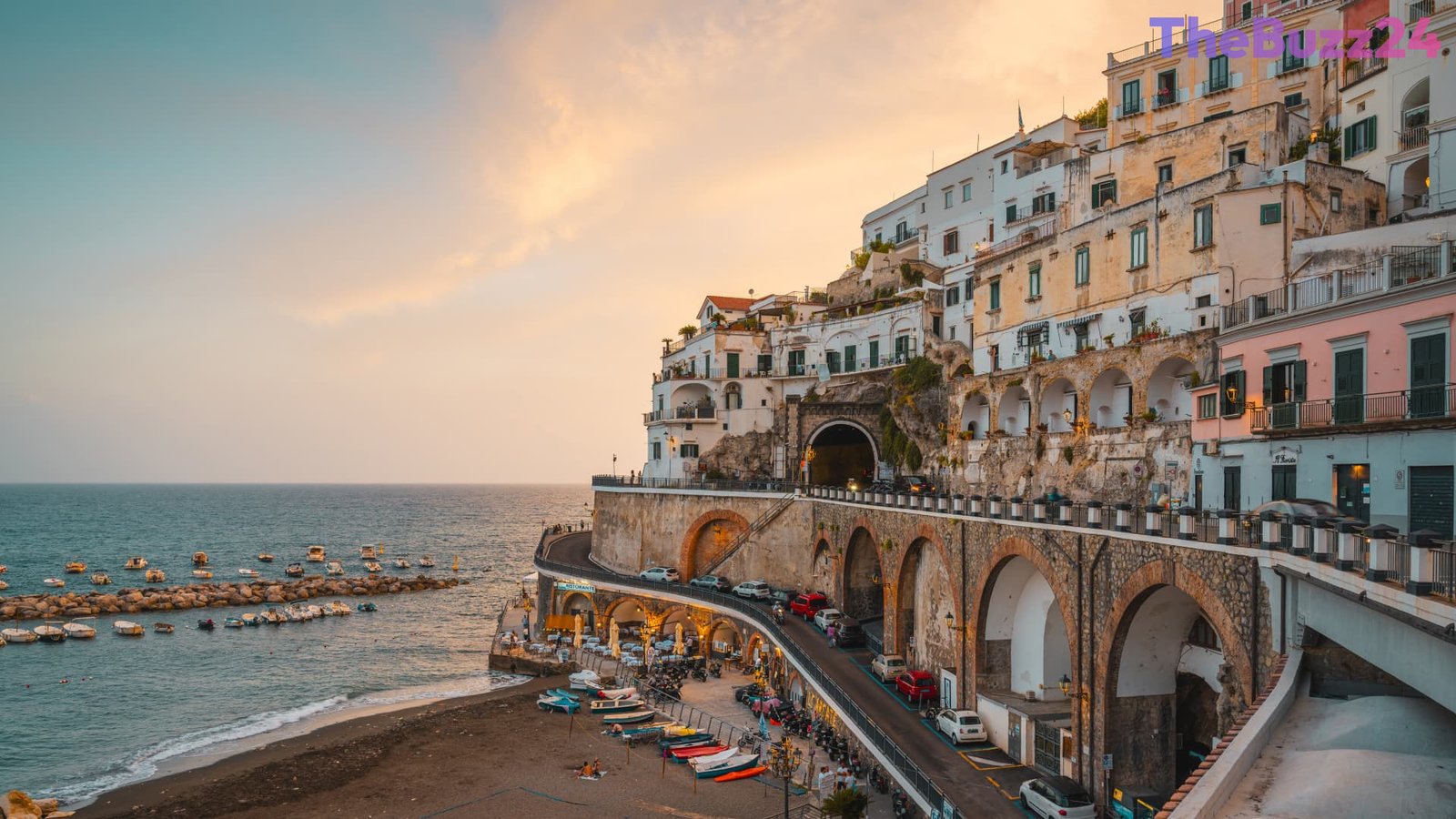
While the primary motivation for this shift is to secure a more comfortable and exclusive experience, the influx of travelers into the autumn months is beginning to mirror the very issues they hoped to escape. Popular European destinations such as the Amalfi Coast, the French Riviera, and Tuscany are seeing hotel rates climb to levels that rival or even exceed peak summer pricing. With average daily rates for luxury accommodations now significantly higher than pre-pandemic levels, the premium placed on high-end travel experiences remains robust despite the changing calendar.
Key Takeaways
- Luxury travel bookings for the fall season have surged by 59% year-over-year as affluent travelers pivot away from peak summer months.
- Demographic shifts, including more retirees and remote workers, are enabling travelers to bypass traditional school-year constraints.
- The popularity of autumn travel is driving up hotel rates, with some luxury destinations now charging more in September than during the height of summer.
Editor’s Analysis & Impact
The ‘fallcation’ trend represents a structural shift in the luxury travel market, signaling that the traditional ‘shoulder season’ is effectively disappearing. As high-net-worth individuals prioritize experiential travel over material goods, the demand for premium, personalized service continues to outpace supply. This creates a challenging environment for the hospitality industry, which must now manage year-round peak demand. The broader implication is a permanent recalibration of pricing models; luxury hotels are no longer incentivized to offer off-season discounts when demand remains consistently high through November. Moving forward, we expect to see luxury providers focus on ‘ultra-shoulder’ periods or secondary destinations to manage the overflow, as the most popular European hotspots reach a saturation point that threatens the very exclusivity their clientele seeks.
Frequently Asked Questions
Q: Why are wealthy travelers choosing to travel in the fall instead of summer?
A: Travelers are seeking to avoid extreme heat waves, massive crowds, and the logistical frustrations of peak-season tourism in popular destinations like Italy and France.
Q: Is the 'fallcation' trend actually cheaper than summer travel?
A: Not necessarily. Due to the surge in popularity, luxury hotel rates in autumn are rising rapidly, with some locations now charging prices equal to or higher than those seen in July and August.
AI Disclosure: This article is based on verified data and official reports. Our Team and AI have cross-referenced every financial detail with primary sources to ensure total accuracy.
More from this Category