The Rise of the Mega-Station: Why Gas Stops Are Becoming Road Trip Destinations
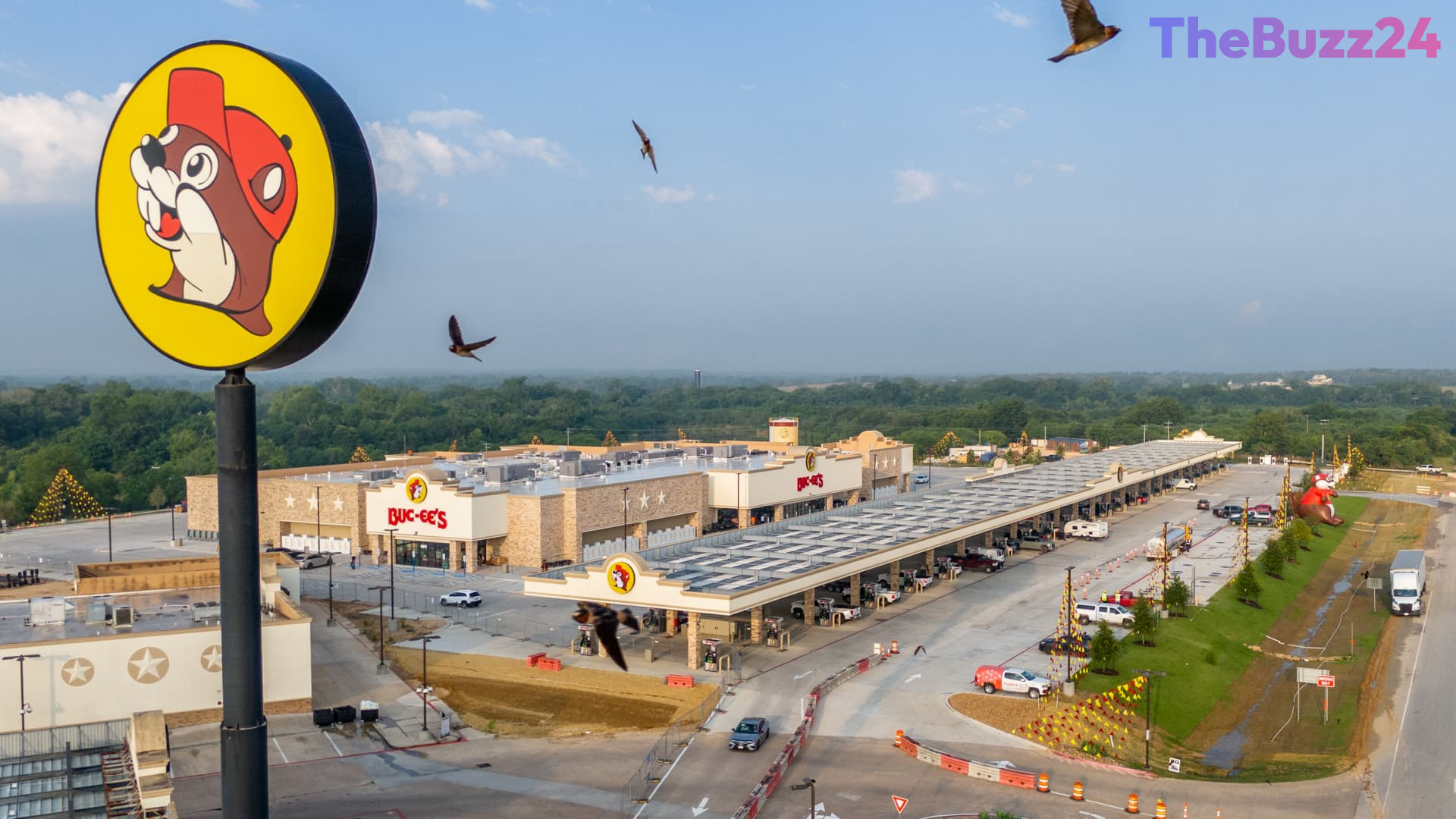
The American roadside landscape is undergoing a dramatic transformation as gas stations evolve from simple refueling stops into sprawling, multi-faceted travel destinations. Led by industry giants like Buc-ee’s and emerging competitors such as Wally’s and the newly launched Dolly’s Tennessean Travel Stop, these massive facilities are redefining the convenience store experience. By prioritizing high-quality food service, clean amenities, and unique retail environments, these chains are successfully turning the traditional ‘gas-and-go’ model into a destination-based retail strategy.
This shift is largely driven by the economic reality of razor-thin profit margins on gasoline. To remain competitive, operators are leveraging fuel as a loss leader to entice travelers into stores where they can purchase high-margin items, ranging from fresh brisket and gourmet snacks to apparel and home goods. The sheer scale of these locations is staggering; while a standard convenience store might occupy 7,000 square feet, industry leaders like Buc-ee’s operate facilities exceeding 75,000 square feet, offering an experience that rivals major big-box retailers.
Beyond the economics, these mega-stations are tapping into a desire for experiential travel. Modern travelers increasingly expect more than just a pump and a restroom; they seek clean, comfortable, and engaging environments. New entrants like Dolly’s are pushing this trend further by incorporating entertainment features such as theaters, dog parks, and lounges. As these chains expand, they are effectively blurring the lines between grocery stores, restaurants, and travel centers, creating a new category of retail that caters to both long-haul truckers and vacationing families.
However, industry experts suggest that this growth may eventually hit a ceiling. While the ‘bigger is better’ approach has proven successful for building brand loyalty and ‘stickiness,’ physical expansion is limited by zoning, land availability, and the risk of losing the welcoming, ‘home-like’ atmosphere that customers value. Ultimately, the success of these mega-stations rests on a foundation of operational excellence—most notably the maintenance of pristine restrooms—which remains the primary factor in building consumer trust and driving repeat visits.
Key Takeaways
- Gas stations are transitioning into massive, destination-based retail centers to offset low profit margins on fuel.
- The 'mega-station' model relies on high-quality food, unique merchandise, and superior cleanliness to increase customer dwell time.
- Future growth in the sector may focus on optimizing services and customer experience rather than continuing to increase physical square footage.
Editor’s Analysis & Impact
The emergence of mega-gas stations represents a significant pivot in the retail and hospitality sectors. By successfully rebranding the ‘convenience store’ as a destination, these companies are capturing a larger share of the consumer wallet during transit. The industry impact is profound: traditional quick-service restaurants and grocery chains now face competition from entities that were previously considered mere utility stops. Looking ahead, the ‘stickiness’ of these brands—driven by social media buzz and high-quality amenities—suggests that the trend will continue to force consolidation in the convenience market. However, the long-term outlook faces headwinds from the rise of electric vehicles, which require longer charging times and may necessitate even more robust, entertainment-focused facilities to keep customers engaged while they wait.
Frequently Asked Questions
Q: Why are gas stations getting so much larger?
A: Gas stations are expanding to accommodate high-margin food services, retail goods, and entertainment amenities, as profit margins on gasoline alone are typically very thin.
Q: What is the most important factor for the success of these mega-stations?
A: While size and food variety are important, industry experts and consumer data consistently point to clean, high-quality restroom facilities as the primary driver for customer comfort and repeat business.
AI Disclosure: This article is based on verified data and official reports. Our Team and AI have cross-referenced every financial detail with primary sources to ensure total accuracy.
More from this Category