Why Americans Are Still Paying Premium Prices for Beef Amid Supply Shortages
Despite record-high prices at the grocery store, American consumers are showing remarkable resilience in their demand for beef. With the U.S. cattle herd currently at its smallest size in decades—a result of prolonged drought conditions, rising feed costs, and significant herd liquidation—beef prices have surged to near-record levels. Ground beef prices have climbed roughly 13% over the past year, while steak prices have seen a 16% increase, yet these elevated costs have done little to dampen the appetite for summer grilling.
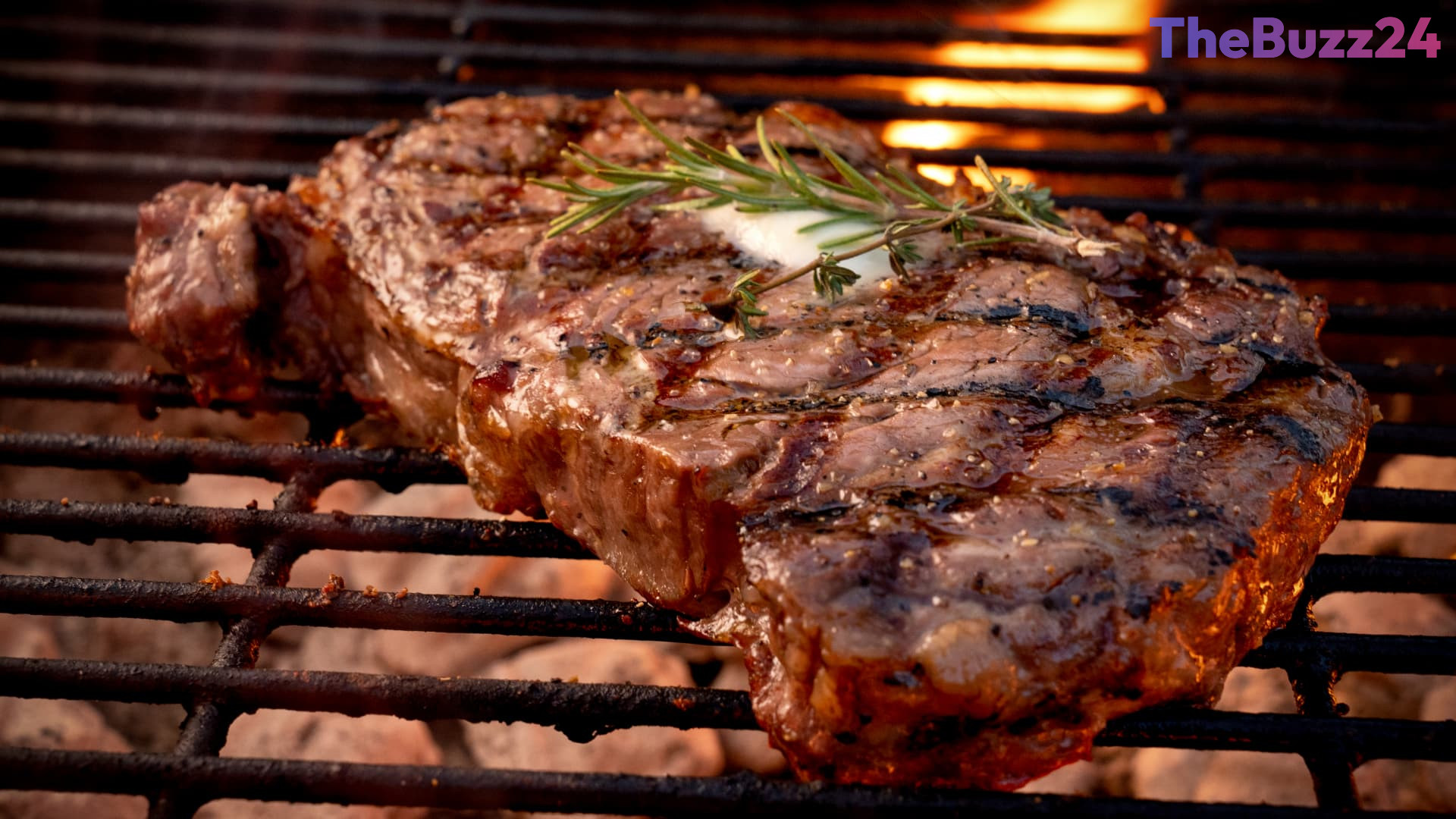
Market data indicates that consumers are increasingly treating steak as an “affordable luxury.” Rather than trading down to cheaper protein alternatives, shoppers are prioritizing quality, with a growing preference for USDA Prime, grass-fed, and antibiotic-free labels. This shift suggests that while inflation is a concern, many households are willing to absorb higher costs for specific items that they view as essential to special occasions and holiday traditions.
Retailers and restaurant chains are reporting sustained growth in beef sales, noting that consumers are shopping with more intent and discipline. Major players in the industry, including Omaha Steaks and LongHorn Steakhouse, have observed that customers continue to seek out premium proteins for celebrations like Father’s Day and the Fourth of July. This trend highlights a unique consumer behavior where shoppers find savings in other areas of their grocery budget to justify the continued purchase of high-quality meat.
Looking ahead, the industry faces a long road to stabilization. Because the biological process of rebuilding the national cattle herd takes years, supply constraints are expected to persist in the near term. Investors and analysts remain focused on this dynamic, as the market waits to see how long consumer spending power can withstand these sustained price pressures before a shift in purchasing habits becomes inevitable.
Key Takeaways
- U.S. cattle herds are at a multi-decade low due to drought and high production costs, keeping beef prices at record highs.
- Consumers are treating steak as an 'affordable luxury,' prioritizing quality labels like grass-fed and USDA Prime over cheaper alternatives.
- Despite significant price hikes, beef sales remain strong, particularly during holiday periods, as shoppers adjust their overall budgets to maintain premium food habits.
Editor’s Analysis & Impact
The current beef market presents a fascinating case study in consumer psychology during inflationary periods. The ‘affordable luxury’ phenomenon suggests that for many Americans, food quality—particularly regarding meat—is a non-negotiable component of lifestyle and social tradition. From an industry perspective, this resilience provides a buffer for producers and retailers, but it also masks the underlying fragility of the supply chain. The long-term outlook remains cautious; as long as the cattle herd remains depleted, prices will likely stay elevated. If economic conditions tighten further, we may eventually see a ‘breaking point’ where even the most dedicated steak consumers are forced to pivot toward lower-cost proteins. For now, the industry is benefiting from a consumer base that values the experience of a high-quality meal over absolute cost-minimization.
Frequently Asked Questions
Q: Why are beef prices currently so high?
A: Beef prices are elevated primarily due to a supply crunch. The U.S. cattle herd has shrunk to its smallest size in decades following years of drought, high feed costs, and herd liquidation.
Q: Are consumers buying less beef because of the high prices?
A: No, demand remains resilient. Consumers are continuing to purchase beef, often shifting their focus toward premium and high-quality cuts for special occasions rather than reducing their overall consumption.
AI Disclosure: This article is based on verified data and official reports. Our Team and AI have cross-referenced every financial detail with primary sources to ensure total accuracy.
More from this Category