The Subscription Shift: Are Phone Leases Replacing Outright Smartphone Purchases?
The global smartphone industry is undergoing a structural shift in how consumers acquire devices, moving away from traditional outright purchases toward leasing, subscriptions, and guaranteed buyback programs. As inflation, supply chain constraints, and rising component costs push premium smartphone prices higher, manufacturers are looking for innovative ways to maintain sales momentum. With consumers holding onto their devices longer than ever before—global replacement cycles are projected to stretch to four years—tech giants are introducing recurring revenue models to keep upgrade cycles moving and secure a steady pipeline of devices for the thriving secondary refurbishment market.
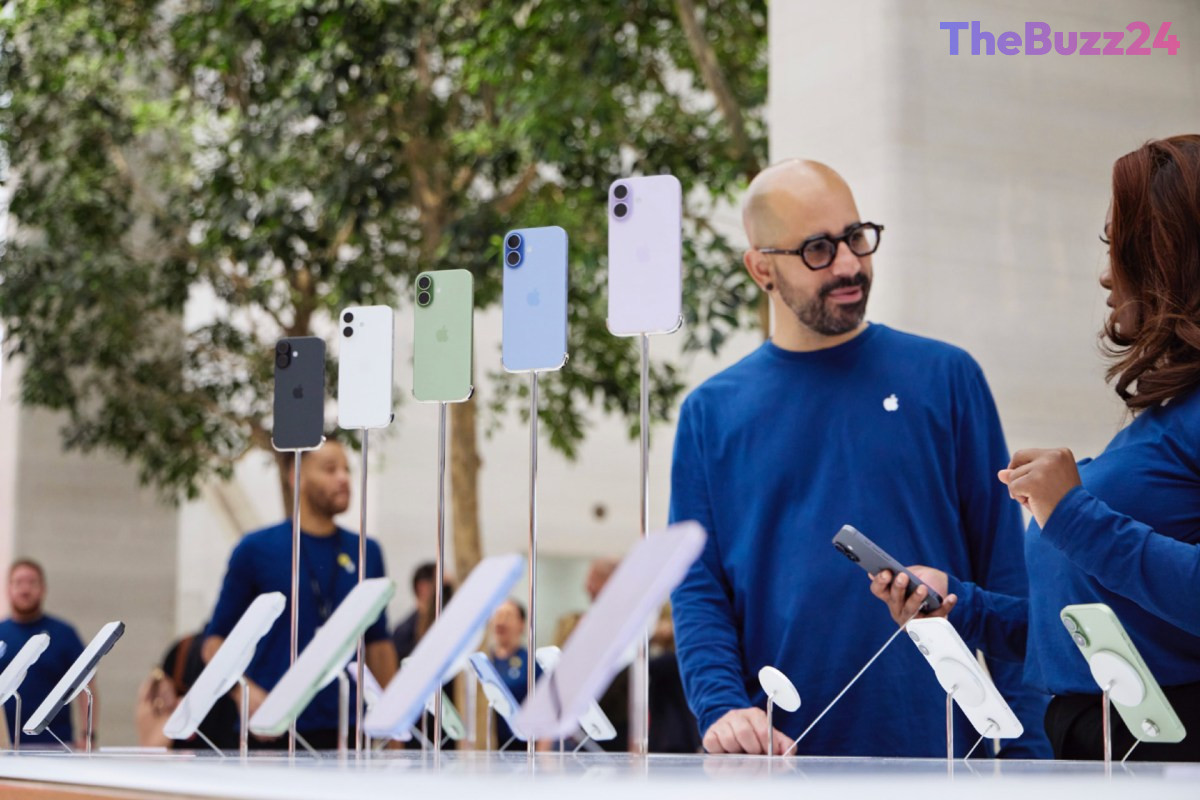
Industry leaders like Apple and Samsung are actively expanding their direct-to-consumer financial offerings. Apple recently rolled out a new device upgrade initiative in the United States, allowing users to lease hardware ranging from iPhones to MacBooks for a predictable monthly fee. Meanwhile, Samsung has introduced similar programs in international markets like India, combining structured financing with guaranteed buyback incentives. These mechanisms are designed not only to make high-end technology more accessible to budget-conscious buyers, but also to retain customers within closed hardware ecosystems as market competition intensifies.
While leasing and subscription models present a compelling alternative for frequent upgraders—often matching or reducing the costs associated with annual trade-ins—analysts note they are not universally beneficial. Consumers who prefer to keep their devices for three to five years generally find better financial value in traditional outright purchases. Nevertheless, alternative ownership models are gaining significant traction among younger professionals and urban demographics seeking access to premium technology without long-term capital commitments. As startups and specialized leasing platforms scale operations globally, industry experts anticipate that outright ownership, financing, and subscription models will coexist, transforming the smartphone marketplace for the foreseeable future.
Key Takeaways
- Smartphone manufacturers are increasingly pushing leasing and subscription models to combat longer consumer upgrade cycles.
- Programs like Apple's upgrade initiative and Samsung's buyback schemes aim to protect profit margins and strengthen customer ecosystem retention.
- While subscriptions benefit frequent upgraders, consumers who keep their phones for several years still save more by purchasing devices outright.
Editor’s Analysis & Impact
The pivot toward subscription and leasing models in the smartphone industry reflects a broader macroeconomic trend where hardware sales are maturing, forcing companies to capture lifetime customer value through recurring revenue. As replacement cycles stretch toward four years due to incremental hardware upgrades and higher price points, OEMs can no longer rely solely on traditional unit sales for growth. By taking direct control of the financing and trade-in lifecycle, giants like Apple and Samsung can secure a predictable influx of used devices to fuel the booming secondary refurbishment market. This strategy not only protects operating margins against inflationary component pressures but also locks users deeper into proprietary software ecosystems, signaling a permanent evolution in consumer tech retail.
Frequently Asked Questions
Q: Why are smartphone makers shifting toward subscription and leasing models?
A: Manufacturers are facing longer consumer replacement cycles, rising component costs, and higher retail prices. Subscriptions help convert costly one-time purchases into predictable monthly payments while keeping users locked into brand ecosystems.
Q: Are smartphone leasing programs cheaper than buying outright?
A: Leasing typically benefits consumers who upgrade their phones every 12 to 24 months, as the economics often match or beat traditional trade-ins. However, users who keep their phones for three to five years generally save more by buying the device outright.
Q: What happens to the returned phones under these subscription plans?
A: Returned devices feed directly into the secondary refurbished and resale markets, which are critical for sustaining the economic viability of manufacturer-led leasing and trade-in programs.
AI Disclosure: This article is based on verified data and official reports. Our Team and AI have cross-referenced every financial detail with primary sources to ensure total accuracy.
More from this Category