Transatlantic Tensions Rise as EU Tech Fines Top $7 Billion
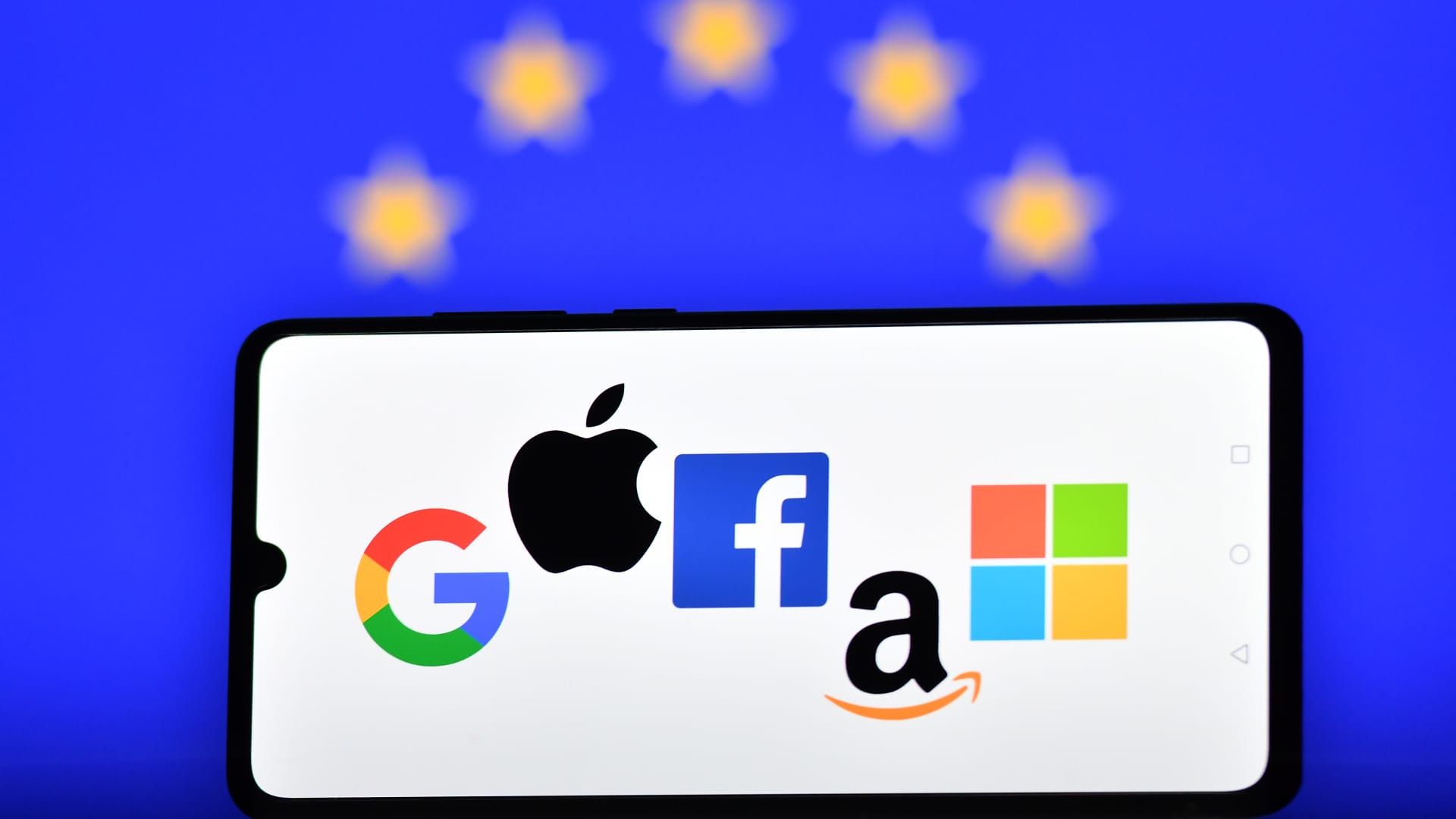
The European Commission has intensified its regulatory oversight of major U.S. technology firms, issuing over $7 billion in fines within the last two years. These penalties, centered on alleged antitrust violations and digital regulation breaches, have created a significant diplomatic rift between Brussels and Washington. European regulators maintain that these enforcement actions are essential to maintaining a fair competitive landscape and protecting consumer interests within the single market.
High-profile enforcement actions have targeted industry leaders, including Apple, which faced a €1.84 billion penalty regarding music streaming distribution, and Google, which was hit with a €2.9 billion fine concerning its advertising software. Meta has also faced substantial financial repercussions, including penalties related to Facebook Marketplace and data privacy practices, while X was fined for transparency failures. The European Commission frames these measures as necessary deterrents, though it notes that some companies have opted to adjust their business practices following formal investigations.
In response, the U.S. government has pushed back, characterizing the European approach as an aggressive form of over-regulation that threatens to stifle innovation and hinder the growth of artificial intelligence. The Trump administration has signaled that it may consider retaliatory measures, including tariffs, to protect American companies from what it views as discriminatory digital policies. With billions of dollars in cumulative fines levied over the past two decades, the dispute highlights a fundamental disagreement over the balance between digital governance and economic competitiveness.
Key Takeaways
- The European Commission has imposed over $7 billion in fines on major U.S. tech firms in the last two years for antitrust and regulatory breaches.
- The U.S. government is considering retaliatory tariffs, viewing the EU's regulatory environment as a barrier to innovation and investment.
- Major companies including Apple, Google, Meta, and X remain at the center of ongoing investigations regarding market dominance and data practices.
Editor’s Analysis & Impact
The escalating conflict between the EU and the U.S. regarding digital regulation represents a pivotal moment for the global tech industry. By positioning itself as the world’s primary digital regulator, the EU is forcing a fundamental shift in how multinational corporations operate, effectively mandating compliance with local standards at the risk of massive financial penalties. However, this strategy risks alienating the U.S. tech sector, which remains the primary driver of global AI and software innovation. If the U.S. follows through with retaliatory tariffs, we could see a fragmentation of the global digital economy, where companies are forced to choose between regional compliance and market access. The long-term outlook suggests a period of prolonged legal uncertainty, where the ‘Brussels Effect’ is increasingly challenged by protectionist policies from Washington, potentially slowing the global deployment of new technologies.
Frequently Asked Questions
Q: Why is the EU fining U.S. tech companies?
A: The EU states that these fines are necessary to ensure fair competition, protect consumer privacy, and enforce digital regulations within the European single market.
Q: How has the U.S. government responded to these fines?
A: The U.S. government has criticized the fines as excessive and harmful to innovation, warning that it may implement retaliatory tariffs against the EU.
AI Disclosure: This article is based on verified data and official reports. Our Team and AI have cross-referenced every financial detail with primary sources to ensure total accuracy.
More from this Category